

Foods That Are Toxic to Cats: The Complete List
Every cat owner has had that heart-stopping moment: your cat batting at a grape on the counter, licking your coffee mug, or chewing a houseplant leaf before you can snatch it away. The best defense against poisoning is knowing exactly which foods and household items are dangerous before an accident happens.
This foods toxic to cats list is the complete reference every cat household needs: the human foods, beverages, plants, and everyday items most often involved in cat poisoning emergencies, why each one is harmful, and exactly what to do if your cat eats something they shouldn’t.
Key Takeaways
- Onions, garlic, chives, and leeks can damage a cat’s red blood cells; even small cooked amounts matter.
- Chocolate, coffee, and caffeinated drinks contain theobromine and caffeine, which cats cannot process safely.
- Grapes, raisins, alcohol, and xylitol (birch sugar) are all on the dangerous list for cats.
- True lilies (Easter, tiger, Asiatic, daylilies) are among the deadliest plants for cats — even pollen can be an emergency.
- Raw bread dough, raw meat and eggs, and some dairy products carry poisoning or infection risks.
- If your cat ingests anything on this list, call your veterinarian or an animal poison hotline immediately — do not wait for symptoms.
Why Cats Are Unusually Vulnerable to Poisons
Cats process chemicals differently from dogs and humans. They lack certain liver enzymes that other animals use to break down common plant compounds and medications, so substances that are safe for people can overwhelm a cat’s system at surprisingly small doses.
Size matters too. The average adult cat weighs around 4–5 kg, so a “tiny taste” of something concentrated — a drop of essential oil, a cube of onion from the cutting board, a single grape — is a far larger dose relative to body weight than it would be for a person. Kittens are at even greater risk, which is one more reason a kitten feeding routine built on safe, age-appropriate food beats sharing whatever you’re eating.
Understanding these facts — different metabolism, tiny body, grooming habits — explains why this list is longer than most owners expect, and why prevention beats treatment.
The Foods Toxic to Cats List: Human Foods
Onions, Garlic, Chives, and Leeks
Every member of the allium family — onions, garlic, chives, shallots, scallions, and leeks — is toxic to cats. They contain sulfur compounds that damage feline red blood cells, causing them to rupture (hemolysis). This can lead to anemia that develops over several days, which is what makes onion toxicity so insidious: your cat might seem fine the day they eat it, then become weak, lethargic, and pale-gummed days later.
Crucially, cooking does not make alliums safe — cooked, powdered, dried, and dehydrated forms are all dangerous, and onion and garlic powders are concentrated, so even small amounts of seasoned food can be a problem. A cat who licks the remnants of onion soup, steals garlic bread, or eats baby food flavored with onion powder is at risk.
Chocolate
Chocolate toxicity comes from two related stimulants: theobromine and caffeine. Cats metabolize both very slowly, so they accumulate to dangerous levels. Dark chocolate and baking chocolate contain the highest concentrations and are the most dangerous; milk chocolate is less concentrated but still risky, especially for a small cat.
Signs can include restlessness, rapid breathing, vomiting, tremors, and in severe cases seizures or heart rhythm problems. Because cats are generally less interested in sweet flavors than dogs, chocolate poisoning is less common in cats — but cocoa powder, chocolate desserts, and baking chocolate left on counters during holiday baking season remain a real hazard.
Grapes and Raisins
Grapes, raisins, currants, and sultanas have been linked to sudden kidney failure in cats and dogs. The exact toxic compound is still not fully understood — which is precisely why there is no “safe amount” to rely on.
The practical rule is simple: no grapes, no raisins, no foods containing them (trail mix, some baked goods, fruit cake). If your cat bats a grape off the table and eats it, treat it as an emergency call to your vet, not a wait-and-see situation.
Alcohol
Alcoholic drinks are dangerous for cats at doses far smaller than you’d expect: even a tablespoon of a strong drink can cause wobbliness, vomiting, slowed breathing, and in severe cases coma.
Less obvious sources include rum-soaked desserts and alcohol-based sauces left to cool on the stove.
Caffeine
Coffee, tea, energy drinks, cola, matcha, and caffeine-containing medications all pose a risk. Caffeine stimulates a cat’s heart and nervous system the same way it does a person’s — but cats can’t clear it efficiently, so the effects are stronger and longer-lasting.
Watch for coffee grounds and tea bags in open trash cans, unattended mugs on low tables, and spilled energy drinks. If your cat is a notorious drink-stealer, make lidded cups a household habit.
Xylitol (Birch Sugar)
Xylitol is a sugar substitute found in sugar-free gum, mints, some peanut butters, sugar-free baked goods, toothpaste, and mouthwash. In dogs it triggers a dangerous insulin surge; in cats the data is thinner but the substance is still treated as toxic, and xylitol-sweetened products often contain other problematic ingredients anyway.
The rule is straightforward: keep sugar-free gum, candy, and dental products away from cats entirely, and check ingredient labels on “sugar-free” products — xylitol may also be listed as birch sugar, wood sugar, or E967.
Raw Meat, Raw Eggs, and Raw Fish
Raw animal products carry two kinds of risk: bacterial contamination (Salmonella, E. coli) and specific nutritional hazards. Raw eggs contain avidin, which interferes with biotin absorption; raw fish contains thiaminase, an enzyme that destroys thiamine (vitamin B1).
None of this means cats can’t eat animal protein — they absolutely must, as obligate carnivores. It means the protein should be cooked and complete: a properly formulated commercial diet or a vet-approved homemade recipe, not raw scraps from meal prep. If you’re curious about fish specifically, our guide on whether cats can safely eat tuna covers mercury and sodium concerns with canned varieties.
Milk and Dairy Products
The image of a cat lapping a saucer of milk is iconic — and misleading. Most adult cats are lactose intolerant to some degree, because they produce little lactase (the enzyme that digests milk sugar) after weaning. Milk, cream, ice cream, and soft cheeses commonly cause vomiting, diarrhea, and stomach cramps.
A tiny lick of plain yogurt or a crumb of hard cheese is unlikely to be an emergency, but dairy should never be a regular part of a cat’s diet.
Dog Food (as a Steady Diet)
An occasional stolen mouthful of dog food won’t poison your cat, but dog food is not formulated for feline needs and becomes dangerous as a habit. Cat food contains higher protein, plus taurine, arachidonic acid, and preformed vitamin A at levels cats require — dog food is deficient in all of these for a cat. Long-term, a cat eating dog food risks taurine deficiency (linked to serious heart and eye problems), among other shortfalls.
In multi-pet homes, feed cats and dogs separately — ideally in different rooms or with the cat’s bowl elevated out of the dog’s reach — so nobody grazes from the wrong bowl.
Fatty Scraps, Bones, Nuts, and Citrus
Greasy turkey skin, bacon fat, fried foods, and rich gravies aren’t “toxic” in the poison sense, but they routinely cause vomiting, diarrhea, and pancreatitis flare-ups in cats — holiday seasons are peak season for these incidents. Cooked bones splinter and can injure the mouth, throat, or intestines, so never give your cat cooked bones of any kind.
Nuts are high in fat and hard for cats to digest; macadamia nuts in particular have been associated with weakness, vomiting, and tremors in pets. Keep nut bowls, trail mixes, and baking ingredients secured.
Citrus fruits contain citric acid and essential oils that irritate a cat’s digestive tract and, in larger amounts, depress the nervous system. Most cats avoid citrus naturally, but peels in the garbage and citrus-scented cleaning products can still cause problems.

Beverages and Additives: The Quick-Reference Danger List
Some risks deserve a compact, scannable format — tape this section inside a kitchen cabinet if your cat is a counter-cruiser:
- Coffee and espresso (grounds, beans, brewed) — caffeine toxicity
- Tea (black, green, matcha) — caffeine, theobromine in smaller amounts
- Energy drinks and pre-workout powders — concentrated caffeine plus other stimulants
- Cola and caffeinated sodas — caffeine plus sugar load
- Alcohol of any kind — intoxication, coma risk at small doses
- Raw bread or pizza dough — expands in the stomach; produces alcohol as yeast ferments
- Xylitol-sweetened anything — gum, mints, sugar-free candy, some toothpastes
- Cocoa powder and baking chocolate — the most concentrated chocolate hazard
- Protein shakes with xylitol or chocolate — double hazard, often left in gym bags cats investigate
The pattern: if it’s stimulating, sweetened artificially, or fermenting, keep it behind a closed door.
Deadly Plants: Lilies and Other Common Killers
Foods get most of the attention, but plants send more cats to emergency vets than almost any food on this list.
True Lilies — the Number-One Plant Emergency
Easter lilies, tiger lilies, Asiatic lilies, daylilies, and Japanese show lilies can cause fatal kidney failure in cats. Every part of the plant is toxic — petals, leaves, stem, and even the pollen. A cat who brushes past a lily arrangement and then grooms pollen from their fur can ingest enough to trigger kidney damage.
This is not a wait-and-see situation: lily ingestion is one of the few poisoning scenarios where minutes matter and immediate veterinary treatment dramatically changes the outcome. If you have cats, simply don’t bring true lilies into your home — not as houseplants, not as cut flowers, not as Easter decorations. Florists frequently tuck lilies into mixed bouquets, so check every stem of gifted flowers.
Other Common Toxic Houseplants
- Sago palm — all parts toxic, seeds most concentrated; can cause liver failure
- Dieffenbachia and philodendron — calcium oxalate crystals cause intense mouth pain and drooling
- Pothos (devil’s ivy) — same oxalate irritation; extremely common in homes
- Aloe vera — the latex layer causes vomiting and diarrhea
- Snake plant — saponins cause nausea and vomiting
- Tulips and hyacinths — toxins concentrated in the bulbs
- Chrysanthemums — pyrethrins cause drooling and vomiting
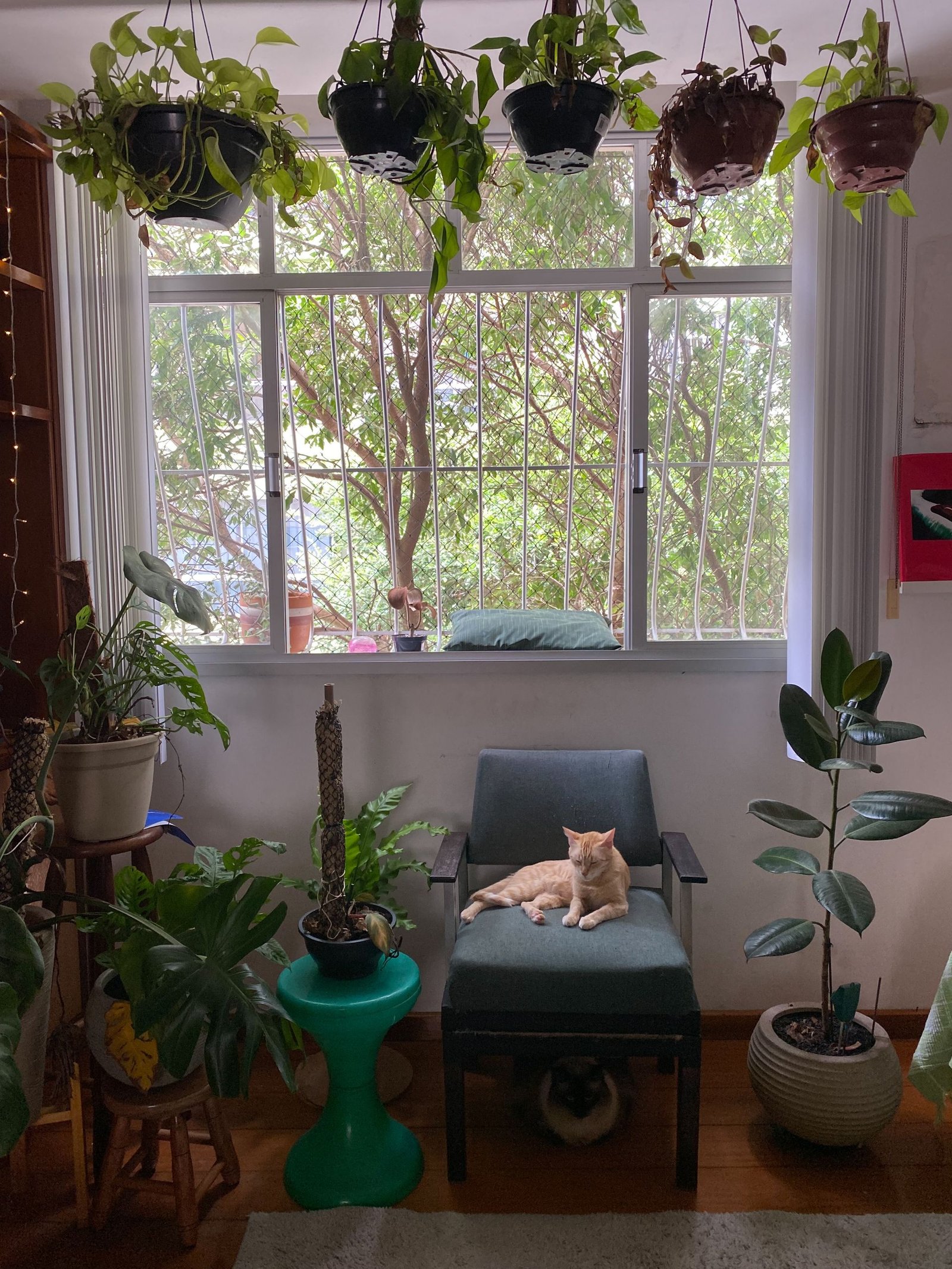
If you love plants and cats, choose from the safe list (spider plants, Boston ferns, parlor palms, cat grass, African violets) and rehome everything else — hanging planters aren’t cat-proof.
Household and Outdoor Hazards Beyond Food
A complete foods toxic to cats list has to look past the kitchen, because some of the most dangerous exposures happen in the living room, garage, and yard.
Essential oils and diffusers. Tea tree, eucalyptus, citrus, peppermint, pine, and cinnamon oils are problematic for cats, especially diffused. Diffuse only intermittently in ventilated rooms the cat can leave, and never apply oils directly to a cat.
Human medications. Acetaminophen (Tylenol/paracetamol) is one of the most dangerous substances for cats — a single regular-strength tablet can be fatal. Never give a cat human painkillers or cold medicine, and store all medications in closed containers.
Cleaning products. Bleach, phenol-based cleaners, and concentrated detergents can burn mouths and paws; cats then ingest residues while grooming. Rinse surfaces, store products in latched cabinets, and keep cats out of the room until floors dry.
Antifreeze (ethylene glycol). Its sweet taste attracts cats, and tiny amounts can destroy the kidneys. Wipe up spills immediately and store containers sealed.
Rodenticides and insecticides. Rat poison, slug pellets, and many insect sprays are lethal to cats both directly and secondarily (a cat who catches a poisoned mouse is at risk). If you must control pests, use enclosed bait stations pets can’t access, or better, non-chemical methods.
Flea products made for dogs. Many dog flea treatments contain permethrin, which is safe for dogs but potentially fatal to cats. Never apply a dog flea product to a cat, and in mixed households, keep a freshly treated dog separated from cats until the product dries — cats can be poisoned just by rubbing against or grooming a treated dog.
What To Do If Your Cat Eats Something Toxic
Speed and calm both matter. Here’s the protocol veterinarians recommend:
- Stay calm and secure your cat in one room so you can monitor them and prevent further ingestion.
- Identify what was eaten, how much, and when. Grab the packaging — the ingredient list and concentration information genuinely help the vet. Note your cat’s weight if you know it.
- Call your veterinarian immediately — or an animal poison control hotline if your vet is unavailable. Keep the number saved in your phone before you need it.
- Do NOT induce vomiting unless specifically told to. Some substances cause more damage coming back up, and cats aspirate vomit easily. Hydrogen peroxide vomiting protocols you may have read about for dogs do not transfer to cats.
- Do not “wait and see” with high-risk items — lilies, acetaminophen, antifreeze, and concentrated allium exposures need professional assessment even if your cat looks fine. Many toxins have a deceptive delay before symptoms appear.
After any scare, review how the exposure happened and fix it: latches on the cabinet, a locking lid on the trash can, the flowers rehomed. Prevention you install once protects for years.
Building a Cat-Safe Kitchen and Home
Knowing the foods toxic to cats list is half the battle; the other half is setting up your home so the list rarely gets tested:
- Counter discipline. Never leave food unattended on counters — not “just for a minute.” Cats learn schedules fast. Put leftovers straight into the fridge or sealed containers.
- Locking trash cans. Coffee grounds, tea bags, onion peels, chicken bones, and food wrappers all end up in the trash, which is exactly why a simple swing-top bin is a cat-toxicity hotspot. A locking lid costs little and closes a major exposure route.
- Closed pantries. Chocolate, cocoa, coffee, xylitol gum, and baking ingredients belong behind doors, not on open shelves.
- Plant audit. Walk through your home with this article’s plant section and rehome or hang every offender. Check new bouquets before they come inside.
- Medication lockbox. One small lockbox for all human medications removes the single-tablet-can-kill risk entirely.
- Garage and garden sweep. Antifreeze, pesticides, slug pellets, and cocoa-shell mulch (yes, it’s made from chocolate byproducts) all need sealed, cat-inaccessible storage.
- Educate the whole household. Kids, guests, and pet sitters need the short version: no table scraps, no sharing drinks, no lilies, and the vet’s number on the fridge.
For the dog owners reading along: many of these hazards overlap — our companion piece on foods toxic to dogs covers the canine side.
Frequently Asked Questions
Can cats eat cheese or other dairy in small amounts?
Most adult cats are lactose intolerant, so milk, cream, and soft cheese commonly cause vomiting or diarrhea. A tiny crumb of hard cheese occasionally is unlikely to cause an emergency, but dairy shouldn’t be a regular treat — plain water remains the best drink for cats.
Is tuna safe for cats?
Plain cooked tuna as an occasional treat is generally fine, but it shouldn’t be a dietary staple — and some canned tuna carries extra sodium or mercury concerns. We cover the full picture, including how often is too often, in our guide to whether cats can eat tuna.
What is the most dangerous food for cats?
Veterinarians consistently rank true lilies (a plant, not a food) as the top emergency because even tiny exposures can cause fatal kidney failure. Among actual foods, concentrated alliums (onion/garlic powder), baking chocolate, xylitol products, alcohol, and acetaminophen — a medication, not a food — are the highest-risk items.
My cat licked a grape but seems fine. Should I still call the vet?
Yes. Grape and raisin toxicity is unpredictable, and kidney damage can begin before visible symptoms appear. A quick call costs nothing and lets your vet decide whether your cat needs to be seen.
Are essential oil diffusers safe around cats?
It depends on the oil and the setup. Tea tree, eucalyptus, citrus, peppermint, pine, and cinnamon oils are the main concerns. If you diffuse, use only cat-safer oils, run the diffuser intermittently in a ventilated room your cat can leave freely, and never apply concentrated oils to your cat’s skin.
Can I give my cat dog food in an emergency if I run out of cat food?
A single meal of dog food won’t poison your cat, but don’t make it a habit — dog food lacks the taurine, arachidonic acid, vitamin A, and protein levels cats need. If you run out of cat food, plain cooked chicken or turkey (unseasoned, no onion or garlic) is a better stopgap for a day.
Do I need to worry about my cat eating houseplants if they seem uninterested?
Yes — interest can appear overnight, especially with new plants, seasonal bouquets, or when a cat is bored. Many poisonings happen with plants the cat ignored for months. Audit proactively rather than trusting current disinterest, and keep the most dangerous offenders (lilies, sago palm) out of the home entirely.
Conclusion: Prevention Beats Treatment Every Time
This foods toxic to cats list is long, but living by it is simple: feed your cat proper cat food on a consistent schedule, keep human food behind closed doors, audit your plants once, lock up medications and chemicals, and save your vet’s emergency number in your phone today. Most feline poisoning emergencies are accidents that a ten-minute home review would have prevented.
Cats will always be curious — that’s part of why we love them. Your job isn’t to eliminate their curiosity; it’s to make sure the environment their curiosity explores is a safe one. When something does go wrong, call your veterinarian fast rather than hoping for the best. A prepared owner is the best safety device a cat can have.
A Note From the Vet’s Office (Figuratively Speaking)
This article is for general information only and is not a substitute for professional veterinary advice. If your cat may have eaten something toxic, contact your veterinarian or an animal poison control hotline immediately — do not wait for symptoms to appear. Never give your cat human medications or home remedies unless specifically directed by a veterinarian.
Want the full picture on feline nutrition beyond the danger list? Start with our full disclaimer and explore the Treats, Supplements & Special Diets section for safe ways to spoil your cat.