

Foods That Are Toxic to Dogs: The Complete List
Every year, thousands of dogs end up at emergency vets because of something they ate at home — a dropped chocolate bar, grapes knocked off the counter, a sugar-free gum pack raided from a bag. Most of these emergencies share one trait: the owner had no idea the food was dangerous. This foods toxic to dogs list exists so you never have to learn the hard way — knowledge you can put to use starting today.
Below you will find the complete rundown of foods and food-related substances dangerous to dogs, what makes each one harmful, the warning signs of poisoning, and exactly what to do if your dog eats something toxic. Bookmark it, share it with everyone in your household, and consider printing the quick-reference section for your fridge door.
Key Takeaways
- Chocolate, xylitol (birch sugar), grapes/raisins, onions/garlic, alcohol, and caffeine are among the most dangerous foods for dogs.
- Toxicity does not always depend on amount — grapes and xylitol can cause severe harm even in small quantities.
- Signs of poisoning include vomiting, diarrhea, lethargy, tremors, excessive drooling, and collapse — but signs can be delayed for hours.
- If your dog eats something toxic: do NOT wait for symptoms — contact your vet or an emergency animal hospital immediately.
- Never induce vomiting unless specifically instructed by a veterinarian — it can make some poisonings worse.
- Prevention (secure storage, household awareness, dog-proofing) is far more effective than any emergency response.
Why Dogs Are More Vulnerable Than Humans
It puzzles many owners that foods perfectly safe for humans can threaten dogs. The reasons are physiological. Dogs metabolize certain compounds far more slowly than we do — theobromine’s half-life in dogs is measured in many hours versus a few in humans, so it accumulates to toxic levels from amounts we would barely notice. Dogs’ red blood cells are more susceptible to oxidative damage from allium compounds. Their smaller body size means a “bite” for us is a “dose” for them. And xylitol triggers an insulin response in dogs that it simply does not trigger in humans — a species-specific quirk with lethal consequences.
Evolution explains part of it: humans co-evolved with cooked, varied diets and developed robust detoxification pathways; dogs, despite domestication, retain carnivore metabolisms with different enzymatic toolkits. The practical takeaway: never assume human-safe means dog-safe. When in doubt, the default answer to “can my dog have some?” is no until verified.
The Most Dangerous Foods for Dogs
Chocolate, cocoa, and coffee
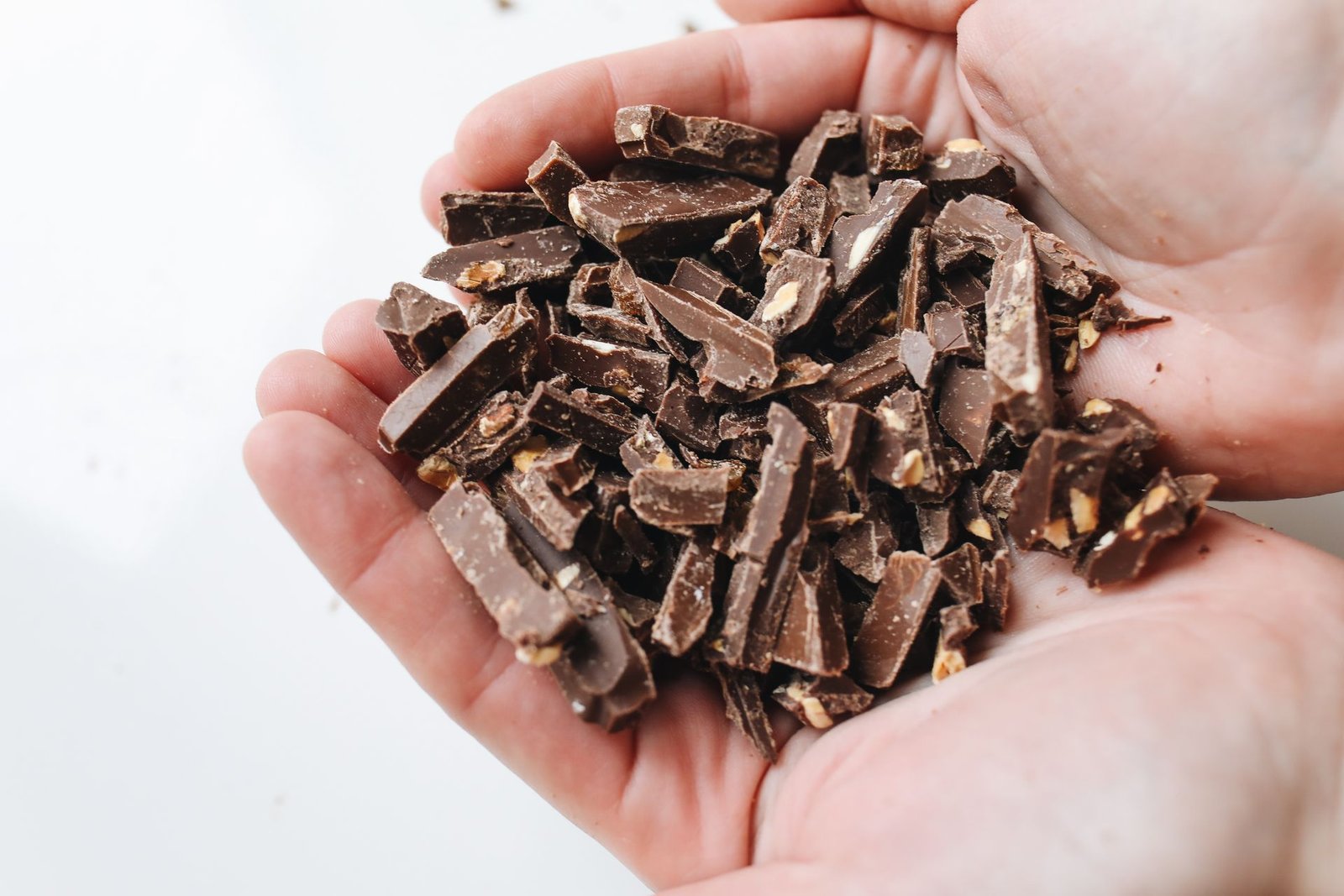
The classic — and still one of the most common causes of food-related dog emergencies. Chocolate contains theobromine (and caffeine), which dogs metabolize far more slowly than humans. The darker the chocolate, the more dangerous: baking chocolate and cocoa powder are the most concentrated, dark chocolate next, milk chocolate less so, and white chocolate contains very little theobromine (though its fat and sugar can still cause upset).
Signs of chocolate poisoning include restlessness, rapid breathing, vomiting, diarrhea, increased heart rate, tremors, and in severe cases seizures. Symptoms can take several hours to appear. The amount matters — a single chocolate chip will not harm a large dog, but a bar of dark chocolate can threaten a small one. When in doubt, call your vet with three facts ready: what was eaten, how much, and how much your dog weighs.
Xylitol (birch sugar) — the hidden killer
Xylitol is a sugar substitute found in sugar-free gum, mints, some peanut butters, sugar-free baked goods, certain toothpastes, and increasingly in “keto” or “sugar-free” human foods. In dogs, xylitol triggers a rapid, massive release of insulin, causing blood sugar to crash — potentially within minutes — and in larger amounts it can cause liver failure.
This is one of the most urgent food toxicities in dogs because small amounts can be life-threatening, especially for small dogs. A few pieces of xylitol-sweetened gum can be an emergency. Always check ingredient labels on peanut butter and any sugar-free product before sharing with (or leaving accessible to) your dog. If you see xylitol, birch sugar, or “sugar alcohol” on a label and your dog may have ingested it, treat it as an emergency immediately.
Grapes, raisins, currants, and sultanas
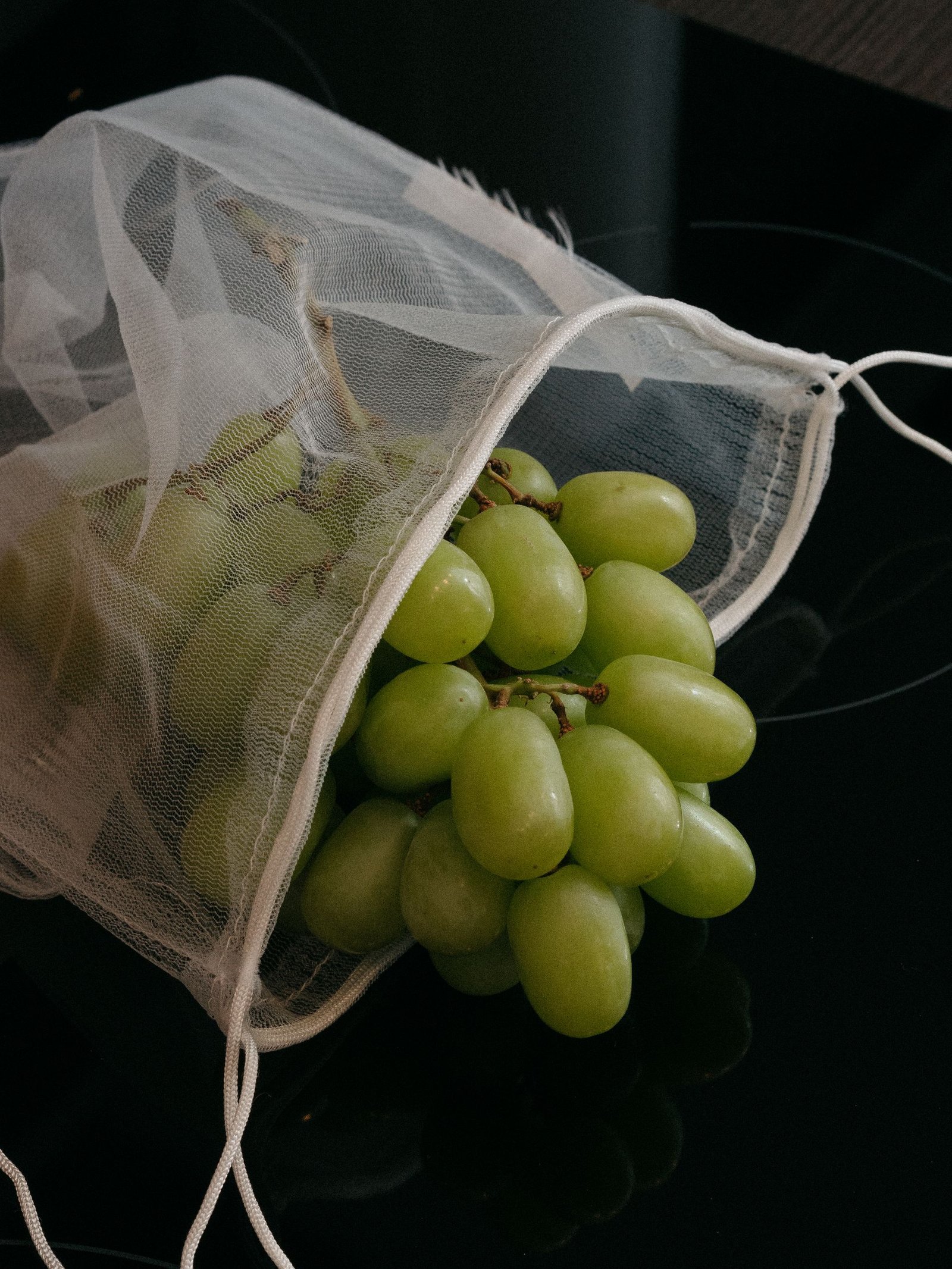
Grapes and their dried forms can cause acute kidney failure in dogs — and the terrifying part is the unpredictability. Some dogs eat grapes with no apparent effect; others develop life-threatening kidney injury from a small handful. There is no known safe amount, and sensitivity does not correlate with size or breed. Because of this unpredictability, all grape and raisin ingestion should be treated as potentially serious. This includes foods containing them: trail mix, fruitcake, raisin bread, and some cereals.
Onions, garlic, leeks, and chives
All members of the allium family damage dogs’ red blood cells, causing oxidative damage that can lead to anemia. This includes raw, cooked, powdered, and dehydrated forms — cooking does not make them safe, and onion/garlic powder in seasoned foods counts. Garlic is often cited as more potent per ounce than onion, but both are dangerous. Signs (weakness, pale gums, lethargy, dark urine) may take days to appear, which makes allium poisoning insidious — the connection to something eaten days ago is easy to miss.
A persistent myth claims small amounts of garlic are beneficial or safe for dogs (for fleas, for immunity). There is no safe, beneficial dose established — do not supplement garlic deliberately.
Alcohol
Dogs are far more sensitive to alcohol than humans. Beer, wine, spirits, and foods containing alcohol (rum cake, unbaked bread dough with yeast, which produces alcohol as it ferments) can all cause dangerous intoxication: vomiting, disorientation, dangerously low body temperature, slowed breathing, and coma. Unbaked yeast dough is a double threat — it also expands in the warm stomach, potentially causing bloat. Keep all alcohol secured and never give a dog alcohol “as a joke.”
Caffeine
Coffee, tea, energy drinks, caffeine pills, and even used coffee grounds or tea bags contain caffeine (plus theobromine in chocolate-covered espresso beans — a double dose). Signs mirror chocolate poisoning: restlessness, rapid heart rate, tremors. Dogs scavenging trash are the typical victims — secure your garbage.
Macadamia nuts
Macadamia nuts cause a distinctive toxicity in dogs: weakness (especially in the hind legs), vomiting, tremors, and elevated body temperature, usually within 12 hours of ingestion. The good news is that most dogs recover with veterinary care, but it is frightening and entirely preventable. Other nuts are less acutely toxic but still problematic — high fat content can trigger pancreatitis, and walnuts (especially moldy ones) carry their own risks.
More Foods to Keep Away From Dogs
Cooked bones. Raw bones are controversial; cooked bones are straightforwardly dangerous — cooking makes them brittle, and splinters can perforate the digestive tract. Never give cooked bones of any kind.
Fat trimmings and greasy foods. A small taste is rarely an emergency, but significant fatty meals (Thanksgiving turkey skin is the classic) can trigger pancreatitis — a painful, potentially serious inflammation of the pancreas.
Raw yeast dough. As noted under alcohol: it rises in the stomach and produces alcohol. A genuine emergency.
Moldy foods. Moldy cheese, bread, or compost can contain tremorgenic mycotoxins causing tremors and seizures. Secure compost bins and trash.
Stone fruits and seeds in quantity. The flesh of apples, peaches, and plums is generally fine, but the pits/seeds contain compounds that release cyanide, and pits are choking and obstruction hazards. An occasional apple slice (no seeds) is fine; a bowl of pits is not.
Corn on the cob. The corn itself is not toxic, but the cob is one of the most common causes of intestinal obstruction in dogs — many require surgery. Never give corn cobs.
High-salt foods. Chips, salted snacks, and soy sauce in large amounts can cause dangerous sodium imbalances, especially in small dogs. A dropped chip is not an emergency; a whole bag might be.
Nutmeg and other concentrated spices. Nutmeg contains myristicin, which is toxic to dogs in more than trace amounts. Keep the spice rack closed.
What About Foods People Ask About?
Not everything unfamiliar is toxic. Plain cooked meats, carrots, green beans, apple slices (seedless), blueberries, plain pumpkin purée, and plain cooked rice are generally safe in moderation — the same kinds of foods discussed in our puppy nutrition guide as appropriate extras. The confusion usually runs the other direction: owners assume something is safe because it is “natural” or “healthy for humans.” Grapes are the perfect counterexample — a health food for you, a kidney threat for your dog. When uncertain about any specific food, check with your vet before sharing.
Signs Your Dog May Have Eaten Something Toxic
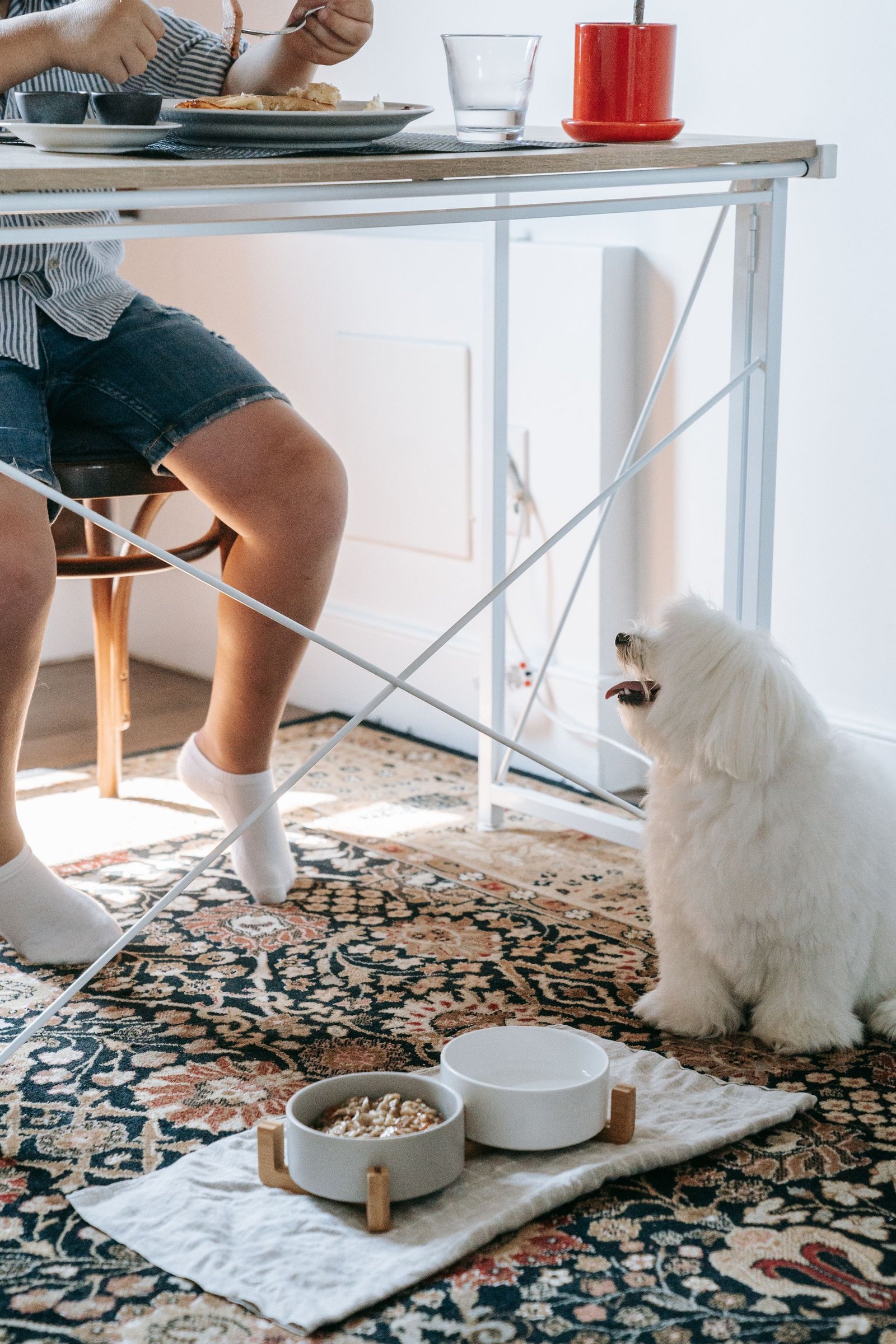
Watch for: vomiting or diarrhea (especially repeated or bloody), excessive drooling, lethargy or weakness, loss of coordination, tremors or seizures, rapid or labored breathing, pale or yellowish gums, dark or bloody urine, abdominal pain or bloating, collapse, or simply a dog that is “not right.” Crucially, signs can be delayed — with grapes, raisins, and alliums, serious harm can be developing while the dog still seems fine. Do not use “he seems okay” as a reason to wait.
Quick-Reference: The Danger List at a Glance
For the fridge door — the highest-risk items, why they are dangerous, and urgency:
- Xylitol (birch sugar): insulin crash, liver failure — EMERGENCY even in small amounts.
- Grapes / raisins / currants: kidney failure, unpredictable — treat any amount as serious.
- Chocolate (esp. dark/baking): theobromine poisoning — urgency depends on type, amount, and dog size.
- Onions / garlic / leeks / chives: red blood cell damage, delayed anemia — serious; signs may take days.
- Alcohol: intoxication, coma — emergency, especially for small dogs.
- Caffeine: heart and nervous system stimulation — call your vet promptly.
- Macadamia nuts: weakness, tremors — veterinary care needed.
- Unbaked yeast dough: expansion + alcohol production — emergency.
- Cooked bones: splintering, perforation risk — emergency if swallowed.
- Corn cobs: intestinal obstruction — emergency if swallowed.
Below this tier: moldy foods, high-fat meals (pancreatitis risk), excessive salt, nutmeg, and stone-fruit pits — all worth avoiding, with urgency varying by amount.
What to Do in a Suspected Poisoning Emergency
- Stay calm and act fast. Note what was eaten, how much, and when. Grab the packaging — ingredient lists and quantities help the vet enormously.
- Call your veterinarian or an emergency animal hospital immediately. Do not wait for symptoms. If your vet is unavailable, call an animal poison control hotline (note: some charge a consultation fee — it is worth it).
- Do NOT induce vomiting unless instructed. Vomiting can cause more harm with certain substances (corrosives, sharp objects, petroleum products), and the timing and method matter. Only induce vomiting if a veterinary professional specifically tells you to.
- Do not give home remedies — no milk, no oil, no salt — unless directed. Well-meaning interventions frequently complicate treatment.
- Get to the vet. Bring the packaging, a sample of vomit if vomiting occurred, and your dog’s weight and medical history. Time matters enormously: treatments like decontamination are most effective in the first couple of hours.
Save your vet’s number and the nearest 24-hour emergency clinic in your phone now, before you need them. In a real emergency, fumbling for a phone number wastes the minutes that matter most.
Prevention: Dog-Proofing Your Home and Habits
Emergency response saves lives, but prevention prevents emergencies:
- Secure the kitchen. Use trash cans with locking lids, keep counters clear (dogs surf higher than you think), and store chocolate, grapes, xylitol products, and medications in closed cabinets — not on counters or in open bags.
- Educate the whole household. Kids, guests, and grandparents are the most common sources of “just a little treat” incidents. Make the rules explicit: no feeding the dog from the table, no exceptions.
- Puppy-proof ruthlessly. Puppies explore with their mouths and can reach surprising places. Our puppy nutrition guide covers the mouthy phase — assume anything accessible will be tasted.
- Watch the holidays. Chocolate at Easter, Halloween, and Christmas; grapes and rich foods at Thanksgiving; unbaked dough during baking season — risk spikes with celebrations. Plan ahead.
- Check labels on “sugar-free” everything. Xylitol hides in gum, mints, peanut butter, protein bars, and toothpaste. Make label-checking a habit.
- Secure the outdoors too. Compost bins, fallen fruit from trees, mushrooms (many are toxic — remove them from yards), and cocoa-shell mulch (which contains theobromine) all pose risks.
Teaching Kids and Guests the Rules
The most careful owner can be undone by a well-meaning visitor. Toddlers drop food constantly; grandparents slip treats “because those eyes”; guests leave bags of sugar-free gum in coat pockets at dog height. A few strategies that work:
- Make it simple and absolute: “Never feed the dog anything without asking me first.” One rule beats a list of forbidden foods that no one memorizes.
- Explain the why once: most people comply better when they know grapes can cause kidney failure, not just that grapes are “bad.”
- Provide safe alternatives: keep a jar of dog-safe treats visible and tell guests “if you want to give him something, use these.”
- Puppy-proof gatherings: during parties and holidays, consider crating or gating your dog away from the food zones entirely — prevention beats supervision when twenty people are mingling.
- Check coats and bags: ask guests to hang bags high and keep gum and medications out of reach — purses on the floor are a classic xylitol emergency source.
Frequently Asked Questions
What is the most toxic food for dogs?
There is no single “most toxic” — it depends on amount and dog size. But xylitol and grapes/raisins deserve special fear because small amounts can cause catastrophic harm unpredictably. Chocolate is the most common emergency. Treat all three with maximum seriousness.
My dog ate a small piece of chocolate — should I panic?
Do not panic, but do assess: what kind of chocolate, how much, and how big is your dog? A small piece of milk chocolate in a large dog is very unlikely to cause harm beyond mild upset. Dark or baking chocolate, or any chocolate in a tiny dog, warrants a vet call. When uncertain, call — vets would rather reassure you than treat a preventable emergency.
Are grapes really that dangerous? My dog ate one once and was fine.
Yes, they are genuinely dangerous — the unpredictability is the point. Some dogs tolerate grapes; others develop kidney failure from a few. There is no way to know which category your dog falls into without risking it, and “was fine once” proves nothing about next time. Keep all grapes and raisins away, always.
Can dogs eat peanut butter?
Plain peanut butter without xylitol is generally safe in moderation — but always check the label first, as some brands (especially “sugar-free” or “natural” ones) contain xylitol. Even safe peanut butter is calorie-dense, so keep portions small.
What should I do if my dog eats sugar-free gum?
Treat it as an emergency: check whether it contains xylitol (most sugar-free gums do), note how many pieces are missing, and contact your vet or emergency clinic immediately. Do not wait for symptoms — xylitol acts fast.
Is it safe to induce vomiting at home with hydrogen peroxide?
Only if a veterinarian specifically instructs you to, with the correct dose and timing for your dog’s situation. Incorrect induction can cause aspiration, esophageal injury, or worsen certain poisonings. Call first, act on professional guidance.
How can I tell if my dog ate something toxic when I didn’t see it happen?
Look for the signs listed above — vomiting, diarrhea, lethargy, drooling, tremors, or unusual behavior — and investigate the environment: knocked-over trash, torn packaging, missing food, or an open cabinet. Dogs are often guilty and obvious about it: check the usual scavenging spots first. If you find evidence of ingestion of anything on the danger list, call your vet with what you found.
Are some dog breeds more sensitive to food toxins?
Sensitivity varies more by individual and body size than by breed — a tiny dog faces higher risk from any given amount than a large one. That said, some breeds have known quirks (for example, certain herding breeds with drug-sensitivity mutations need extra caution with medications, though that is separate from food toxicity). Treat every dog as fully vulnerable; never assume breed hardiness.
Conclusion: Knowledge Is the Best Antidote
This foods toxic to dogs list is long, but the daily practice is simple: know the big dangers (chocolate, xylitol, grapes/raisins, onions/garlic, alcohol, caffeine), secure your home, teach the household the rules, and keep emergency numbers handy. Most food poisonings are preventable — they happen in the gap between a dog’s curiosity and an owner’s awareness, and you have just closed that gap.
Share this list with everyone who feeds, walks, or visits your dog. Tape the quick version inside a kitchen cabinet. Talk to your vet about your specific dog’s risk factors at the next checkup — size, age, and scavenging habits all shape the advice. And if the worst happens despite your best efforts, remember the only rule that matters: call the vet first, call fast, and do not wait for symptoms. For more on keeping your dog well-fed and safe every day, explore our Treats, Supplements & Special Diets guides and our dry vs wet food comparison — and please read our Disclaimer.
Emergency note: This article is educational and is not a substitute for professional veterinary advice. If you suspect your dog has eaten something toxic, contact your veterinarian or an emergency animal hospital immediately — do not wait for symptoms to appear, and do not induce vomiting unless specifically instructed by a veterinary professional.