

Can Cats Eat Tuna? The Truth About Cats and Fish
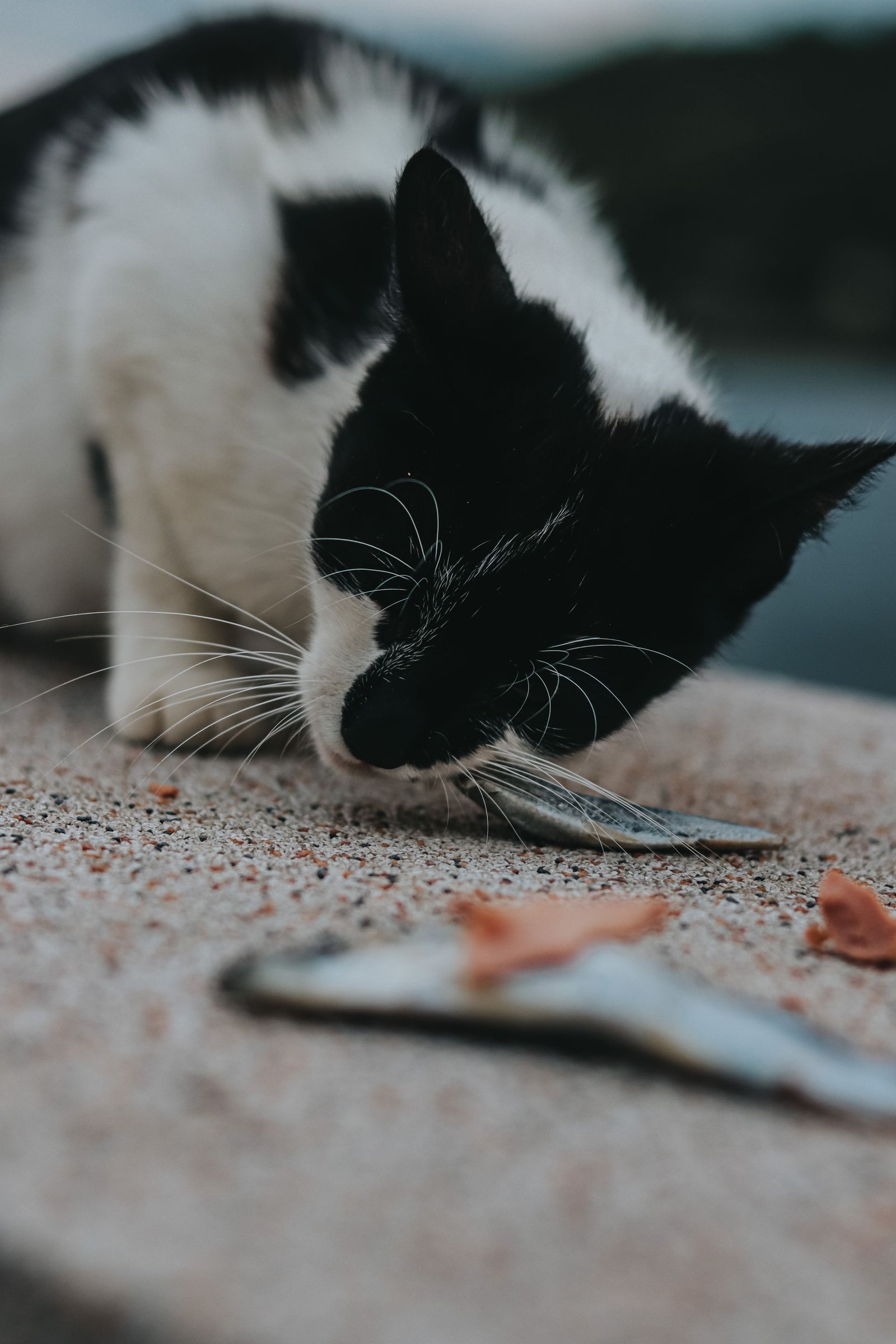
The image is iconic: a cat, a fish, a happy ending. Cartoons, advertisements, and cat food packaging have spent decades cementing the idea that cats and fish are a natural pair — it is one of the most successful marketing associations in pet history. So when your cat goes wild for the smell of an opened tuna can, it feels like nature truly taking its course. But can cats eat tuna safely — as an occasional treat, or as a regular part of the diet? The answer is more nuanced than the cartoons suggest, and worth getting right, because the gap between “treat” and “staple” is where real harm happens.
This guide separates the fishy folklore from the nutritional facts: what tuna offers cats, where the risks lie (mercury, thiaminase, nutritional imbalance), how tuna-flavored cat foods differ from actual tuna, and how to handle fish in your cat’s diet sensibly.
Key Takeaways
- Cats can eat small amounts of plain, cooked tuna occasionally — it is not acutely toxic.
- Tuna should never be a dietary staple: it lacks nutrients cats need (like adequate vitamin E and balanced minerals) and can cause deficiencies if overfed.
- Mercury accumulates in large predatory fish like tuna — a reason to keep portions small and infrequent.
- Raw fish carries thiaminase (which destroys thiamine/vitamin B1) and parasite risks — always cook fish for cats.
- Tuna canned for humans is high in sodium and often packed in oil or brine — not ideal for cats.
- Complete cat foods with fish as an ingredient are nutritionally balanced; a can of human tuna is not.
Why Cats Love Fish (and Tuna Especially)
Cats are drawn to tuna for straightforward sensory reasons: it is intensely aromatic, rich in the savory flavors cats prefer, and high in protein and fat. A cat’s sense of smell is roughly fourteen times stronger than a human’s, so the potent scent of an opened tuna can is, to a cat, an overwhelming invitation. This is not evidence that tuna is ideal nutrition — cats are equally enthusiastic about many things that are not good for them — but it explains the cultural association.
Interestingly, fish is not actually a natural prey for most cats’ wild ancestors — small desert-dwelling felines hunted rodents, birds, and insects, not tuna. The cat-fish love affair is largely a human creation, built by the pet food industry and popular culture over the last century. That does not make fish bad for cats; it just means the “natural” argument for it is weaker than people assume — and that a cat’s enthusiasm for tuna says more about aroma than about nutritional wisdom. Our Cat Food & Nutrition hub covers what feline nutrition actually evolved around.
The Cultural History of Cats and Fish
How did fish become the cat food in the popular imagination? The story is largely industrial. In the mid-20th century, pet food manufacturers needed cheap, palatable protein sources — and fish processing byproducts fit the bill. Marketing did the rest: cartoon cats with fish bones, commercial jingles, and packaging imagery forged an association so strong that most people now consider it ancient wisdom. Before commercial pet food, the typical farm cat’s diet was rodents and table scraps, not salmon.
This history matters because it reveals the association for what it is: marketing, not biology. Fish can be a perfectly good ingredient in balanced cat food — but the idea that cats need fish, or that fish-heavy diets are inherently superior, is a commercial legacy rather than a nutritional truth. Judge fish ingredients the way you judge any ingredient: by the overall formulation, not the folklore.
Can Cats Eat Tuna? The Short Answer
Yes — plain, cooked tuna in small amounts as an occasional treat is safe for most cats. A spoonful of tuna as a rare treat, or tuna water (from tuna canned in water, no added salt) drizzled over food to tempt a reluctant eater, will not harm a healthy cat.
But “safe occasionally” is very different from “good regularly.” Tuna has real nutritional gaps and real risks when it becomes a habit rather than a treat. The rest of this guide is about understanding exactly where the line sits — because the difference between a treat and a staple is where the trouble starts.
The Problems With Tuna as a Regular Food
Nutritional incompleteness
Tuna muscle meat is not a balanced diet for cats. Fed as a staple, it leads to specific deficiencies — most notably vitamin E deficiency, which can cause a painful inflammatory condition of body fat (steatitis, sometimes called “yellow fat disease”), and imbalances in minerals like calcium. Cats fed predominantly on tuna can also develop thiamine issues if any raw fish is involved. AAFCO-balanced cat food contains dozens of calibrated nutrients; a can of tuna contains whatever a tuna happens to contain. The two are not comparable as diets.
Mercury
Tuna are large, long-lived predatory fish, which means they accumulate mercury from smaller fish over their lifetimes. Albacore (white) tuna contains more mercury than skipjack (light) tuna. For humans, health agencies issue consumption guidelines; for cats — much smaller bodies — the margin is thinner. Occasional small treats are not a mercury concern, but regular tuna feeding gives mercury the chance to accumulate. This is the strongest argument for keeping tuna strictly occasional.
Sodium and packing liquids
Human canned tuna is prepared for human tastes: often packed in brine (salty water) or oil, with added sodium. Cats do not need the extra salt, and oil-packed tuna adds unnecessary fat calories. If you share tuna with your cat, choose tuna canned in water with no added salt, drain it well, and keep the portion small. The “tuna water” trick for tempting sick cats should use water-packed, low-sodium tuna — and even then as a temporary measure, not a routine.
Addiction and food refusal
This is the practical problem vets see most: cats fed tuna regularly can become fixated on it, refusing their balanced cat food in favor of the tuna they now prefer. A cat holding out for tuna is a cat not eating complete nutrition — and feline hunger strikes carry real medical risk. Never let tuna become the only thing your cat will eat. If it already has, transitioning back to balanced food requires patience (and our cat feeding schedule guide has strategies for reluctant eaters).
The Mercury Question in Detail
Mercury deserves a closer look because it is the most scientifically grounded concern about tuna. Mercury enters waterways from natural and industrial sources, converts to methylmercury, and bioaccumulates up the food chain: small fish absorb a little, bigger fish eat many small fish and accumulate more, and apex predators like tuna — large, long-lived, and high on the chain — accumulate the most. This is why tuna species differ: albacore (white) tuna, being larger and longer-lived, carries more mercury than skipjack (light) tuna, which is smaller and shorter-lived.
For a cat, the arithmetic is unforgiving. A 10-pound cat eating tuna regularly receives a far higher mercury dose per pound of body weight than a human eating the same amount. Chronic mercury exposure affects the nervous system and kidneys — the very organs already vulnerable in aging cats. There is no established “safe” regular intake for cats, which is precisely why the guidance is conservative: occasional tiny treats are negligible, but routine feeding is not worth the risk. If you want fish flavor regularly, commercial fish-based cat foods — where fish is one managed ingredient among many — are the safe vehicle, not human tuna cans.
Raw Fish: A Separate, Bigger Risk
Raw fish — including raw tuna — introduces two additional hazards. First, thiaminase, an enzyme in raw fish that destroys thiamine (vitamin B1). Thiamine deficiency in cats causes serious neurological symptoms, and it develops faster than most owners expect. Cooking deactivates thiaminase, which is why cooked fish is categorically safer. Second, raw fish can carry parasites and bacteria. The rule is simple: never feed raw fish to cats. This includes sushi-grade tuna, no matter how fresh — “sushi-grade” describes handling for human consumption, not safety for cats.
Tuna-Flavored Cat Food vs. Actual Tuna
Here is a reassuring distinction: commercial cat foods with tuna as an ingredient are not the same as feeding human canned tuna. Pet food manufacturers formulate these products to be complete and balanced — the tuna provides flavor and protein within a recipe that also supplies the vitamins, minerals, taurine, and fatty acids cats need. Mercury is managed through ingredient sourcing and the fact that fish is one component among many, not the whole diet.
So if your cat loves tuna flavor, the safe way to indulge that preference is a quality commercial cat food featuring tuna — not cans of human tuna from your pantry. The label’s adequacy statement is what makes the difference.
Tuna and Common Cat Health Conditions
For cats managing health issues, the tuna question gets stricter:
Kidney disease. Cats with CKD need controlled phosphorus and sodium — human tuna, with its salt content and mineral profile, works against both goals. Therapeutic kidney diets exist precisely because regular foods (and human foods) miss these targets. Skip the tuna for CKD cats.
Urinary conditions. Fish-heavy diets have been loosely associated with urinary issues in some cats (the mineral content of fish can influence urinary chemistry), though the evidence is not definitive. Cats with a history of crystals or stones should get their fish in formulated foods, not from the can.
Hyperthyroidism. Interestingly, some research has explored links between fish-flavored cat foods (particularly those with certain fish ingredients) and thyroid issues, though the science is unsettled and debated. It is not a reason to panic about fish cat food, but it is one more reason to favor variety and balance over any single-ingredient fixation.
Food sensitivities. Fish is a moderately common feline allergen — cats with itchy skin or chronic digestive signs sometimes turn out to be fish-sensitive. If your vet is investigating a food sensitivity, fish (including tuna treats) is usually one of the first ingredients eliminated during the trial.
The pattern: the sicker the cat, the less room for dietary improvisation. Healthy cats can enjoy the occasional tuna treat; cats with diagnoses should get their nutrition from vet-guided plans.
Reading Fish-Based Cat Food Labels
Since commercial fish cat foods are the safe way to indulge a fish-loving cat, here is how to choose well:
- Adequacy statement first — complete and balanced for your cat’s life stage, as always.
- Named fish species — “tuna,” “salmon,” “whitefish” rather than generic “fish meal” or “ocean fish,” which obscure sourcing.
- Fish position in the ingredient list — a fish-first food delivers more fish character; a food with fish far down the list is fish-flavored more than fish-based. Neither is wrong; know which you are buying.
- Variety across the diet — rotating between fish-based and poultry-based foods (gradually) prevents single-ingredient fixation and hedges against sensitivities.
- Mercury perspective — pet food manufacturers source fish within safety frameworks, and fish is a fraction of the recipe. This is not a concern at the formulated-food level the way it is with human tuna cans.
How to Offer Tuna Safely (If You Choose To)
- Occasional only: think a spoonful a few times a month, not a daily ritual.
- Plain and cooked: water-packed, no-salt-added tuna, drained. No seasoned, spiced, or flavored varieties.
- Small portions: a tablespoon or two for an average cat — a taste, not a meal.
- Skip the oil and brine: drain thoroughly; do not serve oil-packed tuna.
- No raw tuna, ever: cook it, or do not serve it.
- Watch the whole diet: tuna treats count toward daily calories, and if your cat starts preferring tuna to their food, scale back immediately.
- Kittens and seniors: be extra conservative — growing kittens need complete nutrition in every bite (see our kitten nutrition guide), and seniors have less margin for imbalance.
Fish Beyond Tuna: The Bigger Picture
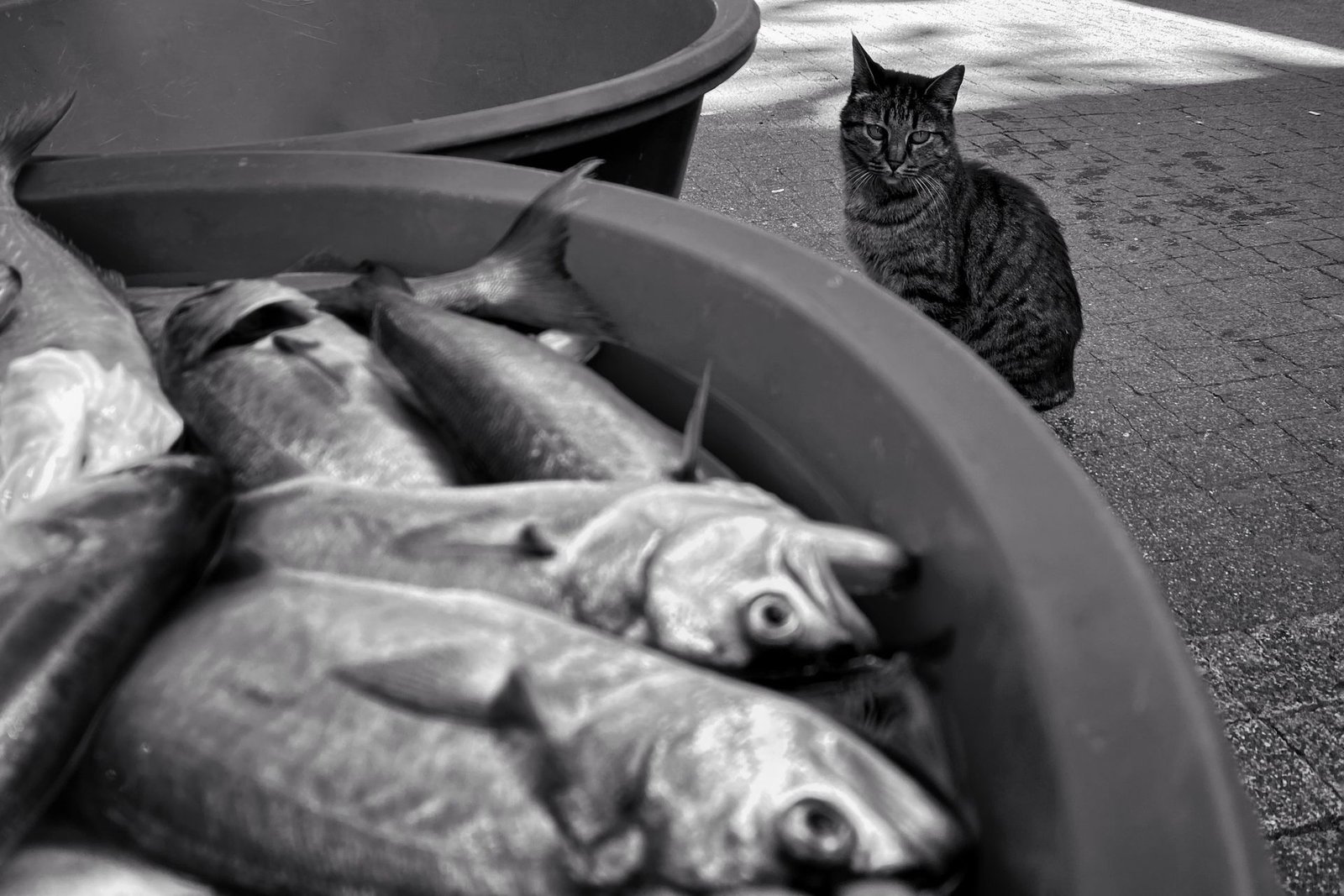
Tuna is the famous case, but the principles extend to fish generally. Salmon, whitefish, and other fish commonly appear in quality cat foods and are fine as formulated ingredients. The same cautions apply to human fish preparations: cook thoroughly, avoid heavy seasoning, keep portions small, and do not let fish displace balanced food. Some cats develop sensitivities to fish-heavy diets (occasional digestive upset or, rarely, allergic signs) — if fish seems to disagree with your cat, there are plenty of poultry-based alternatives.
One more consideration: sustainability and sourcing matter to many owners. If fish is a regular part of your cat’s commercial diet, choosing brands transparent about sourcing is a reasonable way to align your values with your cat’s bowl — without compromising nutrition.
What About Other Seafood?
Shrimp, crab, and other seafood are occasionally offered to cats. The same rules apply: plain, cooked, tiny amounts, occasional. Shellfish allergies exist in cats as in humans, so introduce any new seafood cautiously and watch for reactions — itching, digestive upset, or swelling mean that seafood is off the menu permanently. And as with tuna, seafood should never become a dietary staple — the nutritional gaps are the same. If your cat shows genuine enthusiasm for seafood, channel it into a quality commercial food featuring those ingredients, where the formulation work has been done for you.
Frequently Asked Questions
Can cats eat tuna every day?
No — tuna should not be a daily food for cats. Regular feeding risks mercury accumulation, nutritional deficiencies (especially vitamin E), and the development of a tuna fixation that displaces balanced nutrition. Keep it to an occasional small treat.
Is tuna in cat food bad for cats?
No. Commercial cat foods containing tuna are formulated to be complete and balanced — the tuna is one ingredient in a calibrated recipe, which is entirely different from feeding human canned tuna. The adequacy statement on the label is your assurance.
Can cats eat raw tuna (sashimi)?
No. Raw tuna carries thiaminase (which destroys vitamin B1) and potential parasites. Always cook fish served to cats. “Sushi-grade” does not mean cat-safe.
Why does my cat love tuna so much?
The intense aroma, high protein, and rich flavor hit all of a cat’s sensory preferences. It is a palatability triumph, not a nutritional signal — cats enthusiastically love many things that are not good for them. Enjoy their joy; just keep portions tiny.
Can kittens eat tuna?
A minuscule taste occasionally will not harm a kitten, but kittens especially need complete nutrition in every bite for growth. There is no reason to give kittens tuna, and every reason to keep them focused on their growth-formulated food. Skip it.
My cat will only eat tuna now — what do I do?
This is the tuna-fixation trap. Transition back to balanced food gradually: mix tiny amounts of balanced wet food into the tuna, slowly reversing the ratio over one to two weeks. Warm the balanced food to boost aroma. Do not let the cat go hungry to force the switch — if refusal persists or the cat stops eating, see your vet promptly.
Is albacore or light tuna safer for cats?
Light (skipjack) tuna contains less mercury than albacore (white) tuna, so if you offer tuna at all, light tuna canned in water with no added salt is the better choice. But “safer” does not mean “safe as a habit” — keep it occasional regardless of type.
Can cats drink the water from a tuna can?
The “tuna water” trick — drizzling a little liquid from water-packed, low-sodium tuna over food — is a legitimate short-term appetite tempt, especially for sick or reluctant cats. Use it sparingly and temporarily, not as a routine topper, and never from oil-packed or heavily salted tuna.
How much tuna is too much for a cat?
There is no official feline tuna allowance — which itself tells you it is not a dietary component to optimize. As a rule of thumb, keep it to a tablespoon or two, a few times a month at most, and never as a meal replacement. If tuna is appearing weekly or in larger amounts, it has crossed from treat into habit, and that is the moment to scale back.

Conclusion: A Treat, Not a Diet
So, can cats eat tuna? Yes — as an occasional, small, plain, cooked treat, tuna is a safe indulgence that most cats adore. But the cultural myth of cats thriving on fish deserves retirement: tuna is nutritionally incomplete, carries mercury concerns, and becomes a genuine problem when it graduates from treat to staple. The happiest ending for a tuna-loving cat is a bowl of complete, balanced cat food — perhaps tuna-flavored — with real tuna appearing only as a rare, tiny, celebratory taste.
Keep the portions small, the frequency low, and the main diet balanced, and there is no conflict between your cat’s joy and your cat’s health. The tuna can in your pantry is a fine source of the occasional celebratory taste — it is simply not a food group. Let the complete cat food do the nutritional heavy lifting, let real tuna make rare guest appearances, and your fish-obsessed feline gets the best of both worlds. For more on building that balanced main diet, explore our Pet Diet Plans & Feeding Guides — and our Disclaimer explains the educational nature of everything we publish.
A note on veterinary advice: This article is educational and is not a substitute for professional veterinary advice. If your cat has health conditions, takes medication, or shows signs of illness, consult your veterinarian about diet — including treats and extras.