

Holidays and travel are wonderful for us, and they can be stressful for our pets’ stomachs. New places, disrupted schedules, well-meaning relatives slipping table scraps, and the sheer logistics of feeding an animal away from home all conspire against dietary consistency. If feeding pets while traveling feels like a puzzle you have not quite solved, this guide is for you.
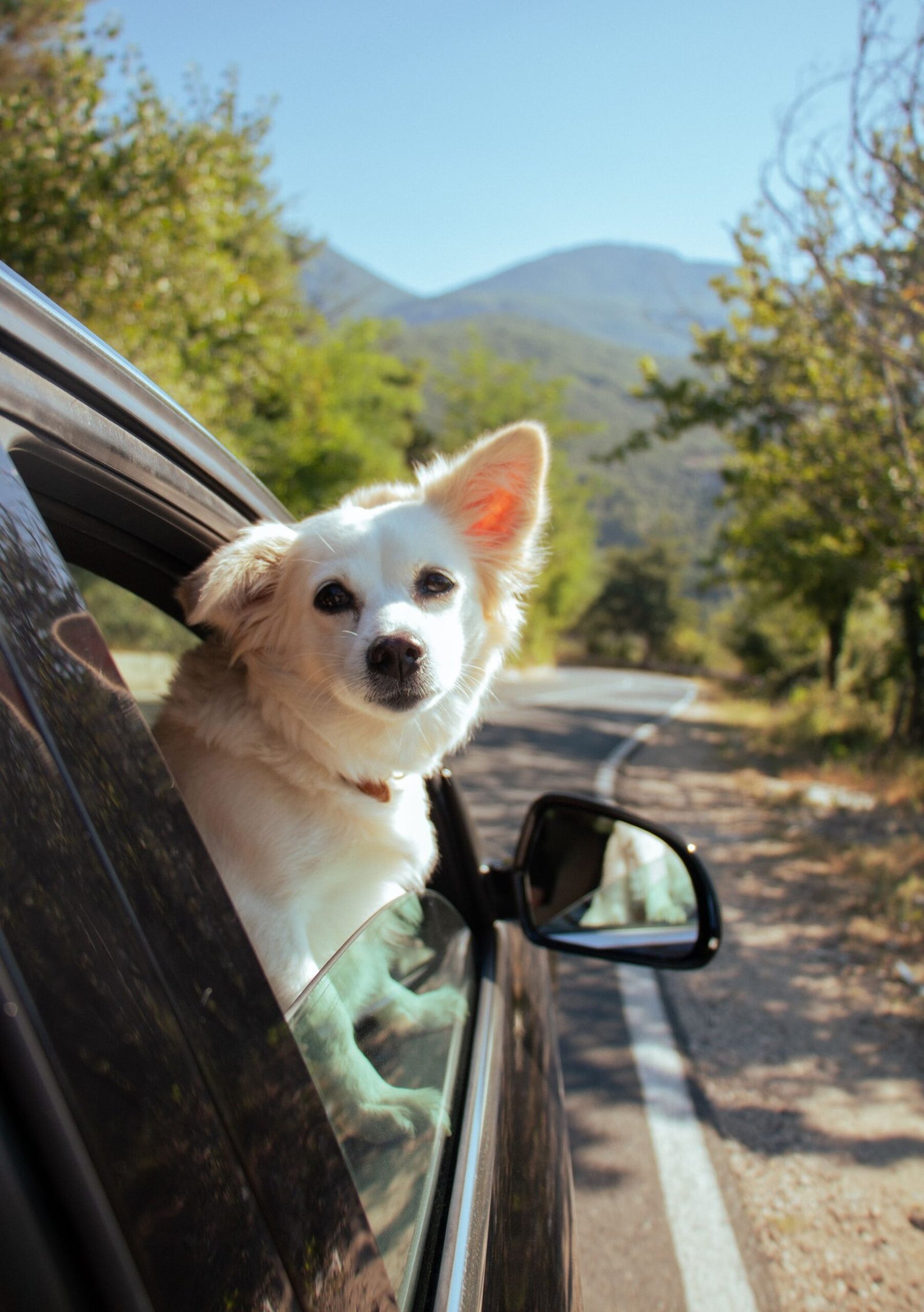
The good news: with a little planning, travel feeding can be nearly as smooth as feeding at home. The principles are simple, the packing list is short, and the most common disasters are entirely preventable. Whether you are road-tripping with your dog, flying with your cat, boarding your pets while you travel, or just surviving the holiday season with your animals, here is how to keep their diets steady and their stomachs happy.
Key Takeaways
- Consistency is everything: keep the same food, portions, and schedule on the road that you use at home.
- Pack a travel food kit: measured portions, a backup supply, portable bowls, water from home, and any medications or supplements.
- Introduce nothing new while traveling: new foods, rich treats, and table scraps are the top causes of travel-related digestive upset.
- For boarding and sitters: provide pre-measured portions, written instructions, and your veterinarian’s contact information.
- Holiday hazards include chocolate, xylitol, grapes, rich fatty foods, and unattended buffets; plan defenses in advance.
- Cats and dogs travel differently: cats need routine and safe confinement; dogs need exercise-adjusted portions and secure feeding setups.
Why Travel Disrupts Feeding (and Why It Matters)
Feeding is one of the most routine-driven parts of a pet’s day, and travel disrupts every element of that routine. Meal times shift with time zones and schedules. The food itself may change because you forgot to pack enough or the local store does not carry your brand. Water tastes different. The environment is full of novel smells and stressors that suppress appetite or trigger scavenging. Add holiday chaos, guests, and disrupted sleep, and you have a recipe for gastrointestinal trouble.
This matters because digestive upset is one of the most common travel complaints in pets, and it is miserable for everyone: vomiting or diarrhea in a hotel room, a car, or a relative’s house is no one’s idea of a holiday. Most of it traces back to a short list of causes: sudden food changes, rich unfamiliar treats, stress, and scavenged food. Every one of those is manageable with preparation.
Pets with existing conditions deserve extra attention. A pet with food allergies, diabetes, kidney disease, or a sensitive stomach has less margin for error, so the consistency rules below apply doubly. When in doubt, consult your veterinarian before a big trip, especially if your pet takes medications that must be given with food.
The Golden Rule: Keep the Diet Consistent
The single most important principle of feeding pets while traveling is also the simplest: change nothing about the diet itself. Same food, same portions, same schedule, as close as time zones and logistics allow.
This means resisting several temptations. The tempting “travel-friendly” food you saw at the pet store? Not the time to try it. The relative who insists your dog would love their homemade stew? A polite no. The holiday treats marketed for pets in every store window? Fine in small amounts only if your pet already tolerates similar treats, and never as meal replacements.
Consistency also applies to the extras. If your pet gets a dental chew each evening, pack the chews. If meals are supplemented with a probiotic or fish oil, bring those too. The goal is for the food experience to be the one familiar island in a sea of novelty.
For pets on prescription or therapeutic diets, consistency is non-negotiable rather than merely advisable. Pack more than you think you need, keep a copy of the prescription information, and know where the nearest veterinary clinic is at your destination in case supplies are lost.
Packing the Perfect Travel Food Kit
A well-packed food kit eliminates most travel feeding problems before they start. Assemble it a few days before departure so you are not scrambling.
The essentials:
- Food, plus a buffer. Pack enough for the whole trip plus two to three extra days. Delays happen, and running out forces the sudden food change you are trying to avoid. For long trips, research where to buy your brand at the destination as a backup.
- Pre-measured portions. Portion meals into individual bags or containers before you leave. This makes feeding foolproof for anyone helping, keeps portions accurate when you are distracted, and simplifies feeding in awkward locations. Our guide to managing different diets in multi-pet households has portioning strategies that transfer well to travel.
- Portable bowls. Collapsible silicone bowls weigh nothing and work for food and water. Bring two: one for food, one for water, so you are never rinsing one bowl to use it for the other.
- Water from home. A few liters of your pet’s usual water smooths the transition, especially for sensitive stomachs. After that, bottled or filtered water at the destination is usually fine; avoid letting pets drink from puddles, streams, or decorative fountains.
- Medications and supplements. Anything given with food, plus a written schedule. Keep medications in your carry-on, never in checked luggage.
- A few familiar treats. The same treats your pet already knows, for rewards and comfort. Not new ones.
- Cleaning supplies. Paper towels, waste bags, and a small bottle of pet-safe cleaner. You will be glad you brought them.
Feeding on the Road: Cars, Planes, and Hotels
Road Trips
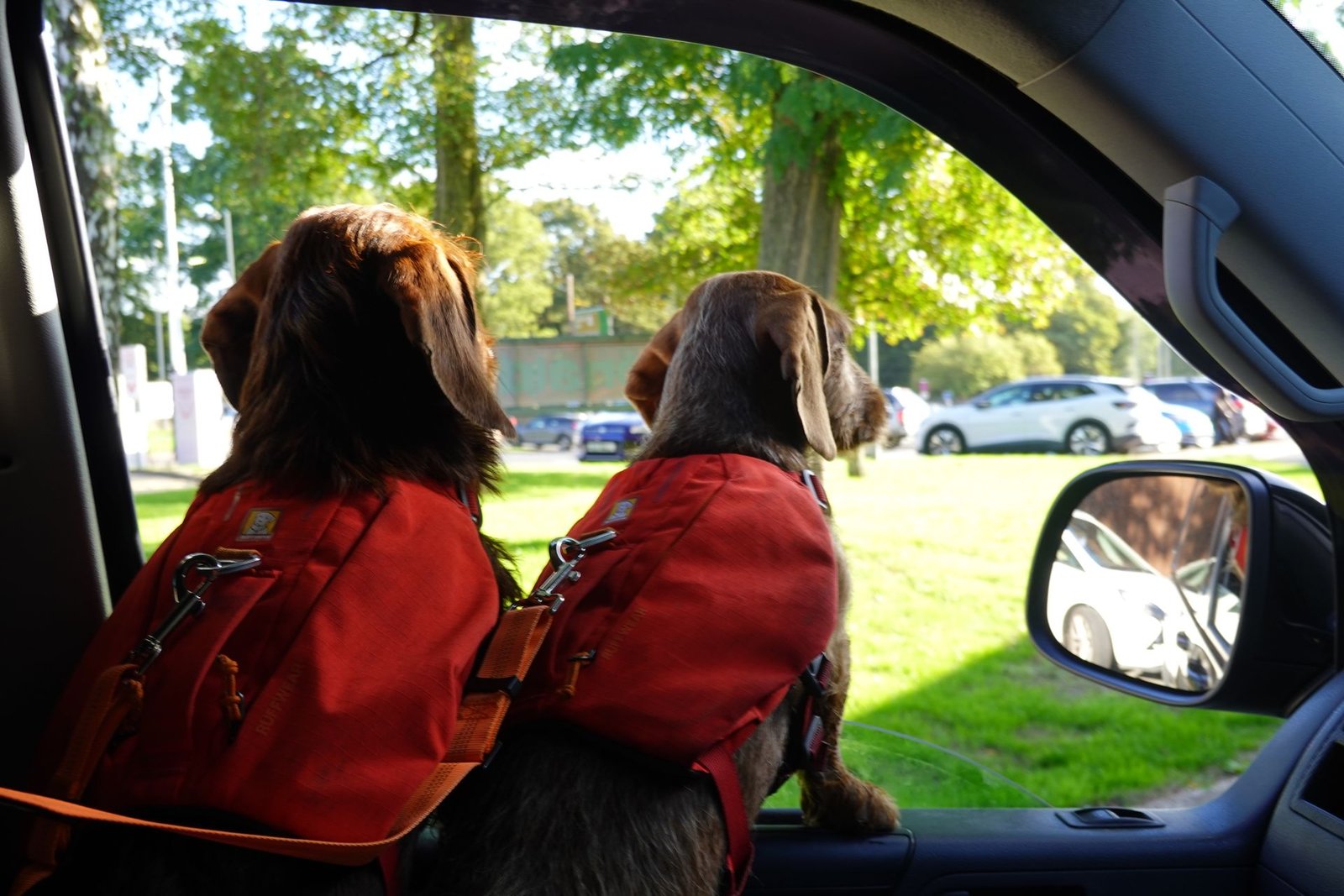
Feed at the usual times as closely as possible, stopping for proper meal breaks rather than feeding a moving car. A dog eating in a moving vehicle is more likely to experience nausea, and spilled food under seats becomes a scavenging hazard later. Offer water at every stop; many pets drink less while traveling, so encourage it.
Motion sickness affects some dogs and cats. If your pet is prone to it, your veterinarian can discuss options before the trip, and feeding a smaller meal a few hours before departure (rather than right before) often helps. Never medicate for motion sickness without veterinary guidance.
Secure feeding setups matter in cars. A bowl sliding around the trunk teaches a dog to lunge after it. Feed with the car parked, bowls on a stable surface or mat, and the pet secured. For multi-day road trips, establish a consistent rest-stop feeding ritual: same order of operations each time (potty break, water, food, rest), which helps the pet settle into the rhythm of travel days.
Flying
Air travel compresses the feeding schedule. Feed a normal meal four to six hours before departure, then withhold food (not water, until check-in requirements dictate) to reduce the chance of in-crate vomiting or elimination. Confirm the airline’s specific rules, as they vary: some carriers have embargoes on pet travel in extreme weather, and cargo-hold conditions affect feeding timing on long flights. Tape a small bag of food and a feeding instruction card to the outside of the crate for long journeys with connections; airline staff cannot open crates to feed in most cases, but the supplies travel with the pet. On arrival, offer water first, then a normal meal once the pet has settled; some pets are too stressed to eat immediately, which is normal for the first several hours.
For cats, who often refuse food when stressed, bring a small amount of something high-value and familiar, a favorite wet food or treat, to tempt them after arrival. Persistent refusal beyond 24 hours in cats warrants veterinary attention, as fasting cats can develop liver complications.
Hotels and Rentals
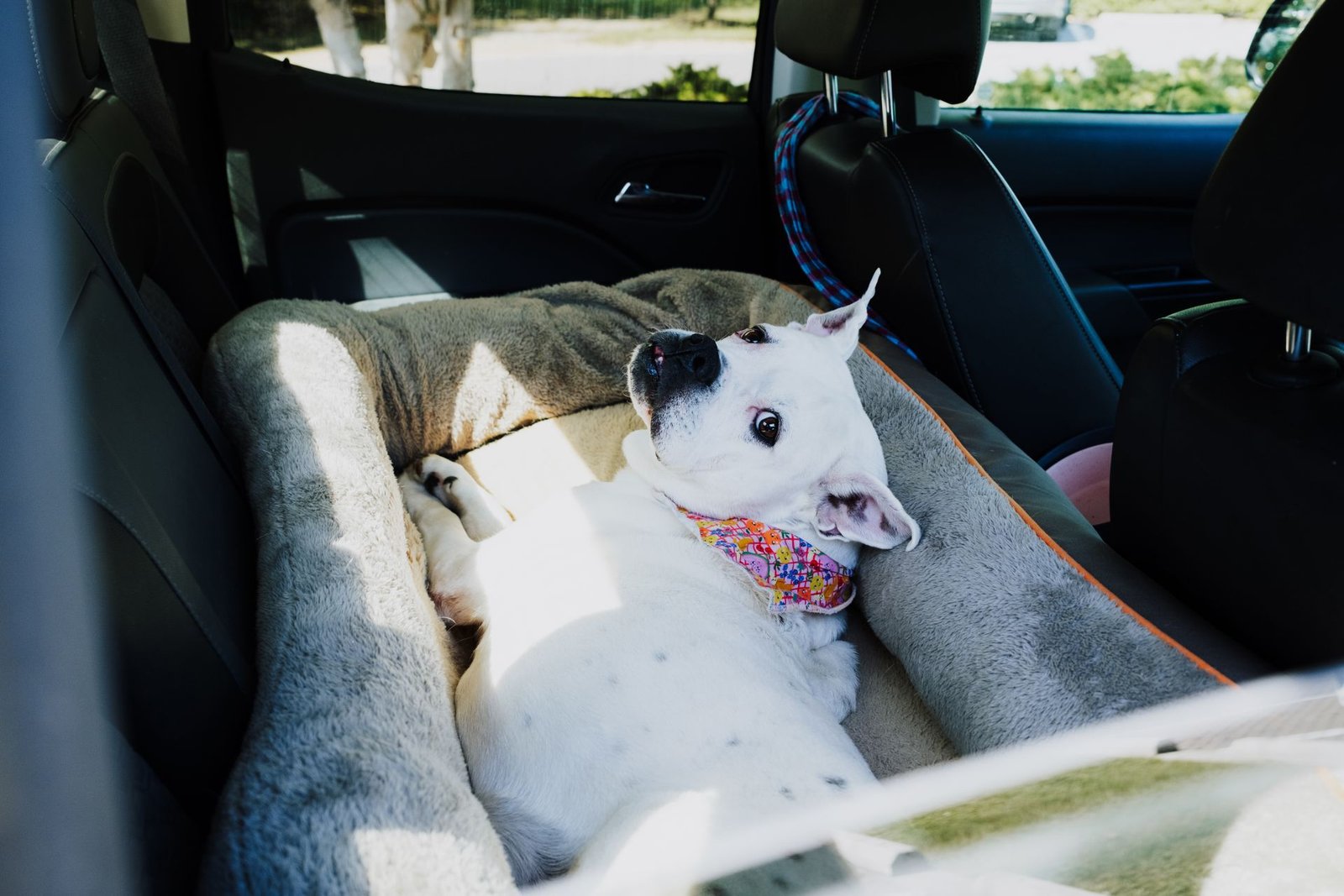
Set up a designated feeding station immediately on arrival: same spot for the whole stay, bowls on a washable mat, away from foot traffic and away from the door where escape is a risk. This small ritual gives the pet an anchor of familiarity. Inspect the space for hazards before the first meal: previous guests’ dropped food, accessible trash cans, and housekeeping chemicals. Request that housekeeping not leave treats or disturb the feeding station.
International Travel and Special Situations
Crossing borders adds regulatory layers to feeding. Some countries restrict the import of animal products, including pet food containing meat; research your destination’s rules before packing a suitcase of kibble, and identify a local source for an equivalent diet as a backup. Long quarantine stays, required by some destinations, mean your pet will be fed by facility staff for weeks: provide detailed written instructions, a supply of the usual food if permitted, and a transition plan agreed with the facility.
Time zone changes deserve a practical approach rather than a perfect one. Shift meals gradually toward the new schedule over two to three days instead of jumping straight to destination time; a sudden six-hour shift in meal timing is itself a digestive disruptor. For diabetic pets on strict insulin-and-meal timing, discuss the travel schedule with your veterinarian in advance, as time zone shifts genuinely complicate dosing.
Special situations call for extra planning. Nursing mothers, weaning puppies or kittens, and pets recovering from surgery have precise nutritional needs and less tolerance for disruption; in some cases, postponing non-essential travel is the right call. Senior pets may need more frequent, smaller meals on travel days and easier access to water. And if your destination has a very different climate, remember that hot weather suppresses appetite and increases water needs, while cold weather can increase calorie requirements for active outdoor dogs.
Boarding, Pet Sitters, and Kennels
Sometimes the pet stays home while you travel. The consistency principle applies just as strongly, and your preparation makes the difference between a smooth stay and a week of digestive drama.
Pre-measure everything. Divide the entire stay’s food into labeled daily portions. This is the single most effective step: it removes guesswork, prevents overfeeding by generous sitters, and makes it obvious if a meal was missed.
Write it down. A one-page feeding instruction sheet: what food, how much, when, where the portions are, treat rules (which treats, how many), medications with timing, and what to do if the pet vomits, refuses food, or has diarrhea. Include your veterinarian’s number and an emergency clinic near the sitter.
Brief the humans. Walk the sitter or boarding staff through the instructions in person or by video. Mention the specific things that go wrong: the dog who counter-surfs, the cat who steals the other pet’s food, the relative who thinks “one bite won’t hurt.” Our multi-pet feeding guide is worth sharing with sitters managing more than one animal.
Boarding facilities vary in feeding protocols. Ask how they handle owner-provided food, whether feeding times match your schedule, and how they monitor intake. A good facility welcomes your pre-measured portions and detailed instructions; a facility that waves them off deserves a second thought.
Holiday Hazards Around Food
The holiday season concentrates every feeding risk into a few festive weeks. Plan your defenses.
The toxic list deserves a refresh each year: chocolate, xylitol (in sugar-free baked goods and candies), grapes and raisins, onions and garlic, macadamia nuts, alcohol, and rich fatty foods that can trigger pancreatitis. Holiday-specific risks include turkey bones, stuffing with onion, fruitcake with raisins, and unattended dessert tables at pet-nose height.
Guest management is half the battle. Well-meaning visitors are the top source of illicit treats. A cheerful, firm house rule, stated on arrival, works better than corrections after the fact: “Please don’t feed the pets anything; their stomachs are sensitive.” Provide an approved treat jar so guests who want to indulge the animals can do so safely.
Trash security matters more during holidays, when bins fill with food scraps, bones, and wrappers. Secure trash cans with lids or behind closed doors; the post-holiday veterinary emergency caseload is full of trash-raiding stories.
Routine anchors help pets cope with the chaos. Keep meal times sacred even when the human schedule dissolves. A pet fed on time in a quiet corner weathers holiday madness far better than one whose meals slide around the festivities.
Beyond the winter holidays, other celebrations carry their own food risks. Summer barbecues bring corn cobs (intestinal blockages), skewers, and rich grilled meats. Easter brings chocolate and lilies (highly toxic to cats). Halloween brings candy, especially xylitol-containing sugar-free varieties. The defense is the same year-round: know the seasonal hazards, brief the humans, secure the trash, and keep the pet’s own food boringly consistent.
Travel-weight awareness: holiday treats add up. A few weeks of generous extras can put visible weight on a pet, and January is the most common time owners notice it. Our weight management guide for cats covers the feline side; the principle applies to dogs too. Budget treats into the day’s intake rather than stacking them on top.
Frequently Asked Questions
Should I feed my pet before a long car ride?
Feed a normal meal three to four hours before departure, then offer small amounts at regular stops. Feeding immediately before driving increases nausea risk in motion-sensitive pets. On very long driving days, splitting the day’s food into three smaller meals instead of two can be easier on the stomach.
Can I switch my pet to a “travel-friendly” food just for the trip?
This is one of the most common mistakes. A sudden food change is a leading cause of travel diarrhea. Keep the regular food throughout the trip. If you want to switch foods, do it with a gradual transition weeks before or after travel, never during.
How do I keep my cat eating while traveling?
Cats often refuse food when stressed. Minimize stress with familiar-smelling bedding, a covered carrier, and quiet surroundings. Offer familiar, high-value wet food; warming it slightly can increase appeal. Most cats resume eating within hours of settling. If a cat refuses all food for more than 24 hours, contact a veterinarian, as prolonged fasting in cats risks serious liver complications.
What should I do if my pet gets diarrhea while traveling?
For mild, otherwise-well pets, a brief bland period (plain cooked chicken and rice, or the pet’s usual food in smaller meals) often settles things within a day. Ensure hydration. But seek veterinary care promptly if there is blood in the stool, vomiting alongside the diarrhea, lethargy, or no improvement within 24 hours, or immediately for puppies, kittens, seniors, or pets with chronic conditions. Know the location of a veterinary clinic at your destination before you need one.
Is it safe to let my pet drink water at rest stops and destinations?
Tap water is generally fine in most developed areas, but sudden water changes can upset sensitive stomachs, which is why bringing water from home for the first day or two helps. Avoid puddles, streams, communal dog-park bowls of unknown cleanliness, and decorative fountains. When in doubt, bottled water is cheap insurance.
How far in advance should I prepare for holiday pet feeding?
Start two to three weeks out: confirm food supplies, arrange boarding or sitters, brief regular visitors on the no-scraps rule, and pet-proof the holiday setup. Last-minute preparation is where the forgotten food supply, the unbriefed guest, and the unsecured trash can slip through.
What if my pet steals holiday food despite my precautions?
It happens to the best planners. For small amounts of non-toxic food (a bite of plain turkey, a stolen roll), monitor for digestive upset and return to the normal diet; most pets bounce back within a day. For anything on the toxic list, chocolate, xylitol, grapes, raisins, onion-heavy foods, macadamia nuts, or large amounts of fatty food, contact your veterinarian or a poison helpline immediately with the product details and your pet’s weight. Do not wait for symptoms, and do not induce vomiting unless specifically instructed. Keep the poison helpline number in your phone before the holidays, not after the incident.
Should feeding schedules change when traveling across time zones?
Shift gradually rather than abruptly. Move meals by an hour or two per day toward the destination schedule, starting a few days before departure if the jump is large. Pets on strict medication-with-food schedules, especially diabetic pets on insulin, need a plan worked out with the veterinarian in advance, since dose timing interacts with meal timing in ways that should not be improvised mid-trip.
Final Thoughts: Feeding Pets While Traveling, Done Right
Feeding pets while traveling comes down to a simple philosophy: the trip changes everything except the food. Pack the usual diet with a buffer, pre-measure portions, keep schedules sacred, introduce nothing new, and defend against holiday hazards with clear house rules. Do that, and feeding becomes the calm, familiar ritual that steadies your pet through all the novelty around them. It also protects you: nothing ruins a holiday faster than a 2 a.m. emergency vet visit that a little preparation would have prevented.
The planning takes an hour; the peace of mind lasts the whole trip. And when you return home to a pet with a settled stomach and an unchanged waistline, you will be glad you packed the portions instead of winging it. Happy travels to you and your well-fed companions. For more structured feeding guidance to anchor your routines year-round, browse our diet plans and feeding guides.