

The idea is deeply appealing. Instead of trusting a factory to feed your dog, you cook for him yourself: real chicken, fresh vegetables, rice from your own pot. No unpronounceable ingredients, no marketing claims, just food you made with your own hands. Plenty of devoted owners have gone this route, and some do it beautifully. But homemade dog food nutrition is also where good intentions most often go wrong in pet feeding, because the gap between “healthy human food” and “nutritionally complete dog diet” is wider than it looks, and the consequences of getting it wrong accumulate silently over months.
This is not an article telling you never to cook for your dog. It is the essential article you should read before you start: what “complete and balanced” actually requires, the nutrient gaps that plague do-it-yourself recipes, which ingredients are safe staples and which are dangerous mistakes, why professional formulation input matters so much, and the practical realities of cost, time, and consistency. If you finish this guide and still want to cook for your dog, you will do it with the knowledge that separates successful homemade feeding from the well-meaning kind that slowly creates deficiencies over time.
Key Takeaways
- Homemade dog food nutrition must be complete and balanced, not just “healthy ingredients.” Most DIY recipes found online are nutritionally incomplete.
- The most common gaps in homemade recipes are calcium, zinc, vitamin D, vitamin E, and choline, plus imbalanced calcium-to-phosphorus ratios.
- Work with your veterinarian or a board-certified veterinary nutritionist to formulate or review any homemade diet. This is the single most important step, and nothing else on this list substitutes for it.
- Some human foods are toxic to dogs, including onions, garlic, grapes, raisins, xylitol, chocolate, and macadamia nuts. Know the list before you cook.
- Homemade feeding demands consistency, measurement, and supplementation as formulated. Improvising around the recipe defeats its purpose.
- Cooked homemade diets are safer than raw for most households, avoiding bacterial risks to both dogs and humans.
Vet note: This article is educational and not a substitute for veterinary advice. Do not start feeding a homemade diet based on internet recipes alone. Nutritional deficiencies in dogs develop gradually and can cause serious harm, especially in puppies, pregnant dogs, and seniors. Any homemade diet should be formulated or approved by your veterinarian or a board-certified veterinary nutritionist, with regular checkups to monitor your dog’s condition.
Why Owners Choose Homemade (and What They Underestimate)
The motivations are understandable and often admirable. Some owners start cooking after a pet food recall shatters their trust. Others have a dog with allergies or sensitivities and want total control over ingredients. Some simply enjoy cooking and want to extend that care to their dog. A few are convinced, by marketing or anecdote, that commercial food is inherently inferior.
What most underestimate is the nutritional complexity. A dog’s diet must deliver the right amounts of protein, fats, essential fatty acids, a dozen-plus vitamins, and a full suite of minerals, in the right ratios, every day, for years. Commercial complete foods achieve this through formulation software, ingredient analysis, and feeding trials. The home cook has a recipe from a blog, a kitchen scale (maybe), and good intentions. Studies that have analyzed homemade dog food recipes from books, websites, and even some veterinary sources have repeatedly found the majority to be nutritionally incomplete or unbalanced. Good intentions do not synthesize calcium.
It is worth being fair to commercial food here, since distrust of it motivates many home cooks. A complete commercial food from a reputable manufacturer is formulated to nutrient profiles, tested for safety, and consistent batch to batch, which are genuine advantages. The choice is not between virtuous home cooking and suspicious factory food; it is between a properly formulated diet and an improperly formulated one, regardless of where it is made. Our guide to comparing pet foods side by side can help you evaluate commercial options with the same clear eyes this article asks you to turn on homemade recipes.
This does not make homemade feeding impossible. It makes professional formulation non-negotiable. The owners who succeed long-term are the ones who treat the recipe like a prescription: formulated by an expert, followed precisely, measured carefully, and monitored over time.
The Balancing Act: What “Complete and Balanced” Actually Requires
When nutritionists say a diet is “complete and balanced,” they mean it meets established nutrient profiles, such as the AAFCO profiles, for the dog’s life stage: minimums and maximums for protein, fat, essential amino acids, fatty acids, vitamins, and minerals, in proportions that work together.
Consider what goes into hitting those targets with whole foods:
Protein and amino acids: Dogs need ten essential amino acids. Meat, eggs, and fish provide complete profiles; most plant proteins do not. A recipe needs enough total protein from bioavailable sources, which is why meat must anchor the recipe, not garnish it. Our guide to whether dogs can eat eggs discusses one excellent whole-food protein source many home cooks use.
Fats and essential fatty acids: Dogs need specific fatty acids, including linoleic acid and, conditionally, others that most plain-meat-and-rice recipes undersupply. The right oils or fat sources must be deliberately included.
Calcium and phosphorus: This ratio is critical, especially for growing puppies, where imbalance causes skeletal disease. Meat is high in phosphorus and low in calcium; without a deliberate calcium source in the correct amount, the ratio inverts dangerously. “Add some bone meal” is not a measurement.
Trace minerals: Zinc, iron, copper, selenium, manganese, iodine. Each has a required range. Deficiencies cause skin, coat, immune, and thyroid problems; excesses are toxic. Hitting a dozen narrow mineral targets with whole foods alone is genuinely difficult, which is why formulated recipes almost always include a vitamin-mineral supplement.
Vitamins: Vitamin D (dogs cannot make enough from sunlight like humans can), vitamin E, B vitamins, vitamin A (needed preformed; dogs convert plant carotenoids poorly). Each must be present in the right amount.
The takeaway: a balanced homemade diet is an engineered product that happens to be cooked in your kitchen. The engineering is the hard part, and it is why expert formulation matters more than culinary skill.
Common Nutrient Gaps in DIY Recipes
When researchers analyze homemade dog food recipes, the same deficiencies appear again and again:
- Calcium: The single most common gap. Meat-heavy recipes without measured calcium supplementation routinely provide a fraction of requirements, with inverted calcium-to-phosphorus ratios.
- Zinc: Frequently low in recipes without organ meats or supplementation. Zinc deficiency shows up as skin lesions, hair loss, and immune problems.
- Vitamin D: Rarely adequate without supplementation or specific ingredients like fatty fish in measured amounts.
- Vitamin E: An antioxidant need that rises with the polyunsaturated fat content of the diet; commonly undersupplied.
- Choline: Essential for liver function and often overlooked entirely in DIY recipes.
- Iodine and selenium: Trace minerals that depend heavily on ingredient sourcing and are easy to miss.
The insidious part is the timeline. A dog fed a deficient recipe looks fine for weeks or months while body stores deplete. By the time symptoms appear, dull coat, skin issues, lethargy, skeletal problems in puppies, the deficiency is entrenched. This delayed feedback is exactly why “he looks great on it” is not evidence of nutritional adequacy, and why formulated recipes plus veterinary monitoring are essential.
Ingredients: Safe Staples and Dangerous Mistakes
Reliable Staples (in a Formulated Recipe)
- Lean meats: chicken, turkey, beef, lamb, cooked thoroughly. The protein foundation.
- Organ meats: liver and kidney in small, measured amounts provide concentrated vitamins and minerals. “Small and measured” is key; excess liver causes vitamin A toxicity.
- Eggs: cooked, an excellent protein and nutrient source.
- Fish: cooked salmon or sardines for omega fatty acids, with bones removed.
- Carbohydrates: rice, oats, sweet potato, barley. Dogs digest cooked starches well, and carbs provide energy economically.
- Vegetables: carrots, green beans, spinach, pumpkin in moderate amounts for fiber and micronutrients.
- Oils: fish oil or specific vegetable oils as formulated for essential fatty acids.
- Supplements: the vitamin-mineral premix your formulator specifies. Not optional.
Foods That Are Toxic or Dangerous to Dogs
Memorize this list before you cook: onions and garlic (all forms, including powder; damage red blood cells), grapes and raisins (can cause kidney failure), xylitol (a sweetener; causes dangerous blood sugar drops and liver injury), chocolate (the darker, the worse), macadamia nuts, alcohol, raw yeast dough, and cooked bones (they splinter; raw bones carry their own risks and controversies). Keep these out of the kitchen workflow when cooking for the dog, not just out of the bowl.
Preparation Rules
Cook meats thoroughly. Avoid all seasoning: no onion or garlic powder, no excess salt, no rich sauces. Chop or mash to appropriate sizes. Cool food completely before serving. Practice the same food safety you would for human cooking, because bacterial contamination threatens the household too.
Working With a Veterinary Nutritionist: What to Expect
A board-certified veterinary nutritionist (DACVIM Nutrition) or a veterinarian with advanced nutrition training can formulate a homemade diet for your specific dog. Here is how it typically works:
- History and exam: Your dog’s age, weight, body condition, health status, activity level, and current diet are assessed. Dogs with medical conditions need therapeutic formulation, which is more specialized.
- Recipe formulation: Using nutritional software and ingredient databases, the nutritionist builds a recipe specifying exact ingredients, amounts, preparation, and supplements to meet nutrient profiles for your dog’s life stage.
- Supplement specification: The recipe will name specific vitamin-mineral products and amounts. These are part of the formulation, not optional extras.
- Follow-up: Weight, body condition, coat, energy, and sometimes bloodwork are monitored, and the recipe is adjusted as needed.
Yes, this costs money. Weigh it against the cost of the deficiencies you are preventing and the premium commercial foods you might otherwise buy. Some veterinary schools offer nutrition consultation services, and your regular vet can advise on options.
A Warning About Internet Recipes
The internet is full of homemade dog food recipes presented with total confidence and zero nutritional analysis. Casserole-style “mix chicken, rice, and veggies” formulas are the most common and the most reliably incomplete. Unless a recipe was formulated with nutritional software to meet AAFCO profiles and ideally reviewed by a credentialed nutritionist, treat it as a starting idea to bring to your formulator, not as a diet.
What a Formulated Recipe Looks Like (Structure, Not a Recipe)
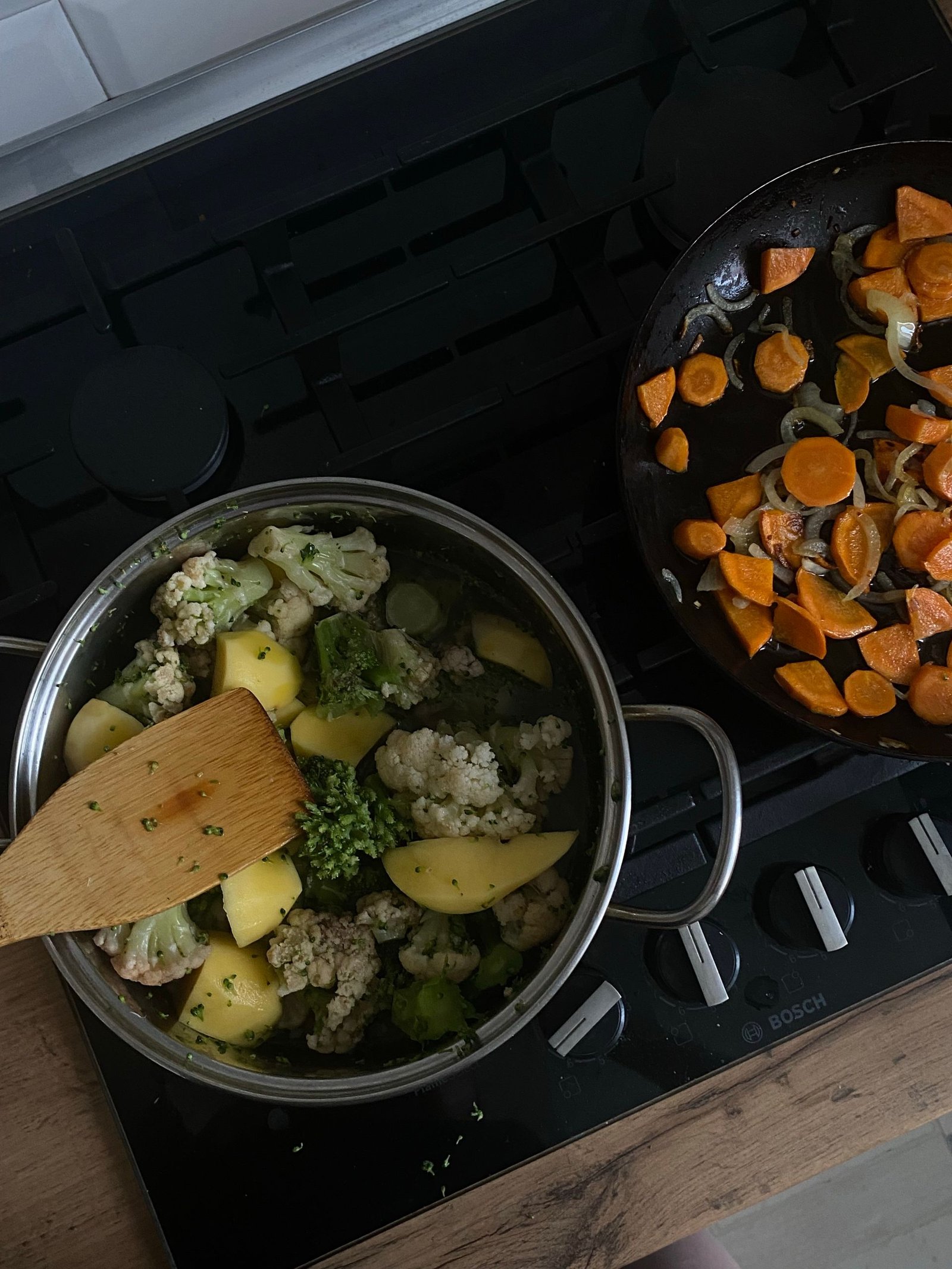
To make the abstract concrete, here is what a professionally formulated homemade diet typically contains as components. This is not a recipe to follow, amounts and supplements are calibrated to the individual dog, but it shows the architecture:
- A primary animal protein, cooked, forming the nutritional backbone (for example, chicken thigh, turkey, or lean beef).
- A secondary protein or organ meat in a small, precise amount for micronutrient density (for example, a measured portion of liver).
- A carbohydrate source, cooked, for energy and fiber (for example, rice, oats, or sweet potato).
- Vegetables in moderate amounts for fiber and phytonutrients.
- A specified oil or fat source for essential fatty acids.
- A calcium source in a measured amount to balance the phosphorus in the meat.
- A comprehensive vitamin-mineral supplement formulated for homemade diets, in the specified dose.
Notice how different this is from the typical internet recipe, which usually lists the first four items and stops. The last three components, the oil, the calcium, and the supplement premix, are where nutritional completeness actually lives. When you see a recipe without them, you are looking at the most common failure mode in home feeding. This structural understanding also helps you evaluate any recipe someone shares with you: if it lacks deliberate calcium, essential fatty acids, and micronutrient coverage, it is incomplete by inspection.
Cooked vs. Raw Homemade: A Brief Comparison
Some home feeders choose raw diets, citing naturalness. The responsible comparison:
Cooked advantages: Destroys harmful bacteria (Salmonella, E. coli, Listeria) protecting both dog and household; deactivates anti-nutritional factors like avidin in egg whites; generally easier to formulate consistently since cooking effects on nutrients are better characterized in formulation databases.
Raw claims vs. evidence: Claimed benefits (shinier coat, cleaner teeth, smaller stools) are largely anecdotal; the documented risks (bacterial contamination of the home, nutritional imbalance, bone hazards, parasite transmission) are well established in the veterinary literature. Nutritional completeness is harder to verify.
For most households, especially those with children, elderly, or immunocompromised members, cooked homemade diets are the responsible choice. If you are committed to raw feeding, do it under veterinary nutritionist guidance with strict hygiene protocols, not from internet recipes.
The Practical Realities: Cost, Time, and Consistency
Homemade feeding is a lifestyle commitment. Be honest about these before starting:
Time: Shopping for specific ingredients, cooking in batches, portioning, and cleaning up takes several hours weekly. Batch cooking and freezing in portioned containers helps, but it remains a real chore load.
Cost: Quality meat is expensive. A homemade diet built on good ingredients typically costs more than a premium commercial food, sometimes substantially more, once you include the supplements and your time. Price it honestly before committing.
Consistency: The formulated recipe must be followed precisely, every batch. Substituting ingredients casually (“out of turkey, using pork today”) unbalances the formulation. If your household cannot sustain that discipline, a high-quality commercial food is the better choice, and there is no shame in it.
Travel and boarding: Homemade diets complicate travel, boarding, and pet sitters. Plan for frozen batches, clear instructions, and backup commercial food your dog accepts.
Monitoring: Commit to regular veterinary checkups with weight, body condition, and periodic bloodwork. This is how you catch problems the eye cannot see. Bloodwork is particularly valuable because it can reveal developing mineral imbalances long before they produce visible symptoms.
Frequently Asked Questions
Is homemade dog food healthier than commercial dog food?
Not automatically. A properly formulated homemade diet can be excellent, but most DIY recipes are nutritionally incomplete, while complete commercial foods meet established nutrient profiles by design. “Homemade” describes the preparation method, not the nutritional quality. The healthiest option is whichever diet is complete, balanced, and appropriate for your dog, whether it comes from a factory or your kitchen with expert formulation.
What supplements does homemade dog food need?
Whatever the formulation specifies, typically a comprehensive vitamin-mineral premix plus specific additions like calcium, fish oil, or vitamin E depending on the recipe. Do not guess at supplements or use human multivitamins, which are dosed for humans and may contain xylitol or inappropriate levels. The supplement plan is part of the recipe, designed together.
Can puppies eat homemade food?
Puppies can, but the stakes are highest for them. Growth demands precise calcium, phosphorus, and calorie levels, and errors during growth cause permanent skeletal damage. Homemade diets for puppies absolutely require board-certified nutritionist formulation and close veterinary monitoring. For most owners, a quality commercial puppy food is the safer choice during the growth phase.
How much homemade food should I feed my dog?
The formulated recipe will specify amounts based on your dog’s weight and calorie needs, just like a commercial feeding guide. In general, homemade diets are often fed at roughly 2–3% of body weight daily for adult dogs, adjusted for the recipe’s calorie density and the individual dog, but follow your formulation, not rules of thumb. Monitor weight and body condition and adjust through your formulator or vet.
Can I mix homemade food with kibble?
Yes, many owners do a hybrid: commercial food as the base with homemade toppers, or vice versa. The key is keeping the overall diet balanced: if homemade food exceeds roughly 10–15% of daily calories, the complete food’s balance no longer covers the diet, and the homemade portion should be formulated, not improvised. Discuss the mix ratio with your veterinarian.
How do I find a veterinary nutritionist?
Start by asking your regular veterinarian for a referral; many vets work with nutrition consultants or can point you to one. Several veterinary schools offer nutrition consultation services to the public, and the professional colleges (such as the American College of Veterinary Internal Medicine) maintain directories of board-certified nutrition specialists. Be cautious of uncredentialed “pet nutritionists” online: look specifically for board certification (DACVIM in Nutrition) or equivalent credentials, since the title alone is unregulated.
Final Thoughts: What to Know Before You Cook
Homemade dog food nutrition rewards those who respect its complexity and punishes those who wing it. The path that works is clear: decide whether the commitment fits your life, get the diet formulated by a qualified veterinary nutritionist, learn the toxic-foods list cold, cook safely, follow the recipe precisely including supplements, and monitor your dog with regular veterinary checkups. Do all of that, and home cooking can be a wonderful way to feed your dog.
Skip the formulation step, and you join the large, well-meaning majority whose recipes look wholesome and quietly fall short on calcium, zinc, vitamins, and balance. The difference between those two outcomes is not love or effort; it is expertise applied before the first batch. And remember that choosing a high-quality commercial food is not a failure of devotion; it is a legitimate, often superior choice for busy households, and many dogs thrive on it their whole lives. If you are ready to do it properly, start with a conversation with your veterinarian about formulation options. For grounding in everyday canine nutrition, our dog nutrition guides are the right place to build your foundation.