

If you have ever stood in the kitchen cracking eggs for breakfast while your dog watches every move with total devotion, you have probably asked yourself: can dogs eat eggs, or is this one of those human foods I should keep to myself? It is one of the most common questions dog owners ask, and the good news is that the answer is refreshingly straightforward. Yes, dogs can eat eggs. In fact, eggs are one of the most nutritious whole foods you can share with your dog, packed with high-quality protein, vitamins, and minerals that support everything from shiny coats to strong muscles.
But as with nearly every human food, the details matter. How the egg is cooked, how much you serve, and how often it shows up in the bowl all make a difference between a healthy treat and an unnecessary risk. Raw eggs carry bacterial concerns, too many eggs can unbalance an otherwise complete diet, and some dogs simply do not tolerate them well. This guide walks you through everything worth knowing: the nutritional benefits of eggs for dogs, the genuine risks to watch for, the safest ways to prepare them, sensible portion guidance for different sizes and life stages, and answers to the questions owners ask most. By the end, you will know exactly how eggs can fit into your dog’s diet with confidence.

Key Takeaways
- Yes, dogs can eat eggs. Cooked eggs are safe and nutritious for most dogs when served plain and in moderation.
- Eggs are nutritional powerhouses. They provide complete protein, B vitamins, vitamin D, selenium, and healthy fats that support muscles, skin, coat, and immune function.
- Always cook eggs for your dog. Boiled, scrambled (without butter or seasoning), or poached eggs eliminate the bacterial risks associated with raw eggs.
- Moderation is essential. Eggs should be an occasional treat or meal topper, not a dietary staple. A widely used guideline is that treats, including eggs, should make up no more than about 10% of daily calories.
- Watch for individual reactions. Some dogs have egg sensitivities or allergies. Introduce eggs gradually and monitor for digestive upset or itchy skin.
- Talk to your veterinarian before making eggs a regular part of the diet for puppies, seniors, or dogs with pancreatitis, kidney disease, or other health conditions.
Vet note: This article is educational and not a substitute for veterinary advice. Every dog is different, and dogs with medical conditions, food allergies, or special dietary needs should only have diet changes made with their veterinarian’s guidance. If your dog shows signs of an allergic reaction after eating eggs, such as vomiting, diarrhea, facial swelling, or intense itching, contact your veterinarian promptly.
Can Dogs Eat Eggs? The Short Answer
So, can dogs eat eggs? Absolutely. Cooked eggs are safe for the vast majority of dogs and genuinely nutritious. Veterinarians and animal nutritionists generally regard plain, cooked eggs as one of the better human foods to share with dogs. They are a complete protein source, meaning they contain all the essential amino acids dogs need, and they deliver those nutrients in a highly digestible package.
That said, “safe” does not mean “serve however you like.” The two rules that matter most are simple: cook the egg, and keep portions sensible. A plain hard-boiled egg offered as an occasional treat is a world apart from a buttery cheese omelet seasoned with onion powder, which could genuinely make a dog sick. Throughout this guide, when we talk about feeding eggs to dogs, we mean plain, cooked eggs served without added fats, salt, seasonings, or other ingredients.
It is also worth remembering that eggs are a supplement to a balanced diet, not a replacement for one. A complete and balanced commercial dog food, or a properly formulated homemade diet designed with a veterinary nutritionist, already meets your dog’s nutritional needs. Eggs are a wonderful bonus, a high-value training reward, or a tempting topper for a picky eater, but they should not displace balanced meals. If you are considering significant dietary changes, your veterinarian is the right person to help you plan them.
Nutritional Benefits of Eggs for Dogs
Eggs have earned their reputation as a nutritional powerhouse honestly. A single large egg packs a remarkable amount of nutrition into a small, affordable package. Here is what makes them valuable for dogs.
High-Quality, Complete Protein
Protein is the foundation of your dog’s diet. It builds and repairs muscles, supports the immune system, produces enzymes and hormones, and keeps skin and coat healthy. Dogs need 22 amino acids, 10 of which are essential, meaning they must come from food. Eggs contain all of them in proportions that are highly usable by the body, which is why egg protein is often used as the reference standard when scientists measure protein quality in other foods.
For active dogs, growing puppies, and seniors trying to maintain muscle mass, the digestible protein in eggs is genuinely useful. An egg added to dinner a few times a week can help round out protein intake, especially for dogs on diets that might be a little light in high-quality animal protein. That said, most complete commercial dog foods already provide adequate protein, so think of the egg as a bonus rather than a fix.
Vitamins and Minerals in Every Bite
Eggs, particularly the yolks, are rich in micronutrients that play supporting roles across your dog’s body:
- Vitamin A supports vision, immune function, and skin health.
- B vitamins, including B12, riboflavin, and folate, help with energy metabolism, red blood cell formation, and nervous system function.
- Vitamin D supports calcium absorption and bone health.
- Vitamin E acts as an antioxidant, protecting cells from damage.
- Selenium supports thyroid function and antioxidant defenses.
- Iron is essential for oxygen transport in the blood.
- Choline supports brain function and liver health.
No single food needs to provide all of these, since a balanced diet covers the bases, but eggs contribute a meaningful share in a very small serving.
Healthy Fats for Skin, Coat, and Energy
The yolk contains fats, including linoleic acid, an essential fatty acid dogs must get from their diet. These fats support healthy skin, contribute to a glossy coat, and provide concentrated energy. Many owners notice an improvement in coat shine when eggs become a regular small addition to the diet, though individual results vary and coat quality depends on overall nutrition, not any single food.
Highly Digestible and Easy on the Stomach
Cooked eggs are gentle and easy to digest, which makes them useful in specific situations. Veterinarians sometimes suggest plain cooked eggs as part of a bland, temporary diet for dogs recovering from mild digestive upset, alongside foods like plain boiled chicken and white rice. If your vet ever recommends a bland diet, ask whether eggs would be appropriate for your dog’s specific situation.
The Potential Risks of Feeding Eggs to Dogs
Eggs are safe for most dogs, but “safe” comes with honest caveats. Here are the risks worth understanding so you can serve eggs wisely.
Raw Eggs and Bacterial Contamination
The single biggest risk with eggs is serving them raw. Raw eggs can carry Salmonella and other bacteria that cause foodborne illness in both dogs and the humans handling them. While healthy adult dogs are somewhat more resistant to Salmonella than people are, they can still become ill, and they can shed the bacteria in their stool, creating a hygiene risk for the household, especially homes with young children, elderly family members, or immunocompromised individuals.
There is also a nutritional argument against raw eggs. Raw egg whites contain avidin, a protein that binds to biotin (a B vitamin) and prevents its absorption. Occasional raw egg whites are unlikely to cause a deficiency in a dog eating a balanced diet, but regular raw egg feeding could theoretically contribute to biotin deficiency over time, with effects on skin, coat, and metabolism. Cooking deactivates avidin, which is one more reason cooked eggs are the way to go.
Bottom line: always cook eggs for your dog. Boiling, scrambling without added fat, or poaching all work well.
Calories Add Up Quickly
A large egg contains roughly 70 calories. That may not sound like much, but for a small dog eating only a few hundred calories a day, a whole egg is a significant chunk of the daily budget. Extra calories from treats, including nutritious ones like eggs, can contribute to gradual weight gain if you are not accounting for them.
The widely used guideline from veterinary nutritionists is the 10% rule: treats and extras should make up no more than about 10% of your dog’s total daily calories, with the remaining 90% coming from a complete and balanced diet. An egg a few times a week fits comfortably within that budget for most medium and large dogs; for very small dogs, half an egg may be the sensible serving. If your dog is already carrying extra weight, factor the egg’s calories into the day’s total or ask your vet for guidance. Our dog nutrition guides cover balanced feeding in more depth.
Egg Allergies and Sensitivities
Dogs can develop allergies or sensitivities to eggs, just as they can to more common triggers like beef, dairy, or wheat. True food allergies involve the immune system and may show up as itchy skin, ear infections, paw licking, or digestive signs such as vomiting or diarrhea. Sensitivities tend to be milder and primarily digestive.
If you are introducing eggs for the first time, start with a small amount, a spoonful of scrambled egg, for example, and watch your dog for 24 to 48 hours. If all is well, you can gradually work up to a normal serving. If you notice itching, digestive upset, or any concerning reaction, stop feeding eggs and talk to your veterinarian. Dogs with known food allergies should only try new foods under veterinary guidance.
Seasonings, Butter, Oil, and Toxic Add-Ins
How you cook the egg matters as much as the egg itself. Many of the things humans add to eggs are problematic for dogs:
- Onion and garlic powder are toxic to dogs, even in small amounts, and can damage red blood cells.
- Excess salt is unnecessary and unhealthy for dogs.
- Butter, oils, and cooking sprays add calories and fat that can upset sensitive stomachs; in large amounts, fatty foods can contribute to pancreatitis in susceptible dogs.
- Cheese, hot sauce, and processed seasonings add sodium and ingredients dogs do not need.
Serve eggs plain. If you are scrambling, use a non-stick pan without butter or oil, or boil them, which requires no added fat at all.
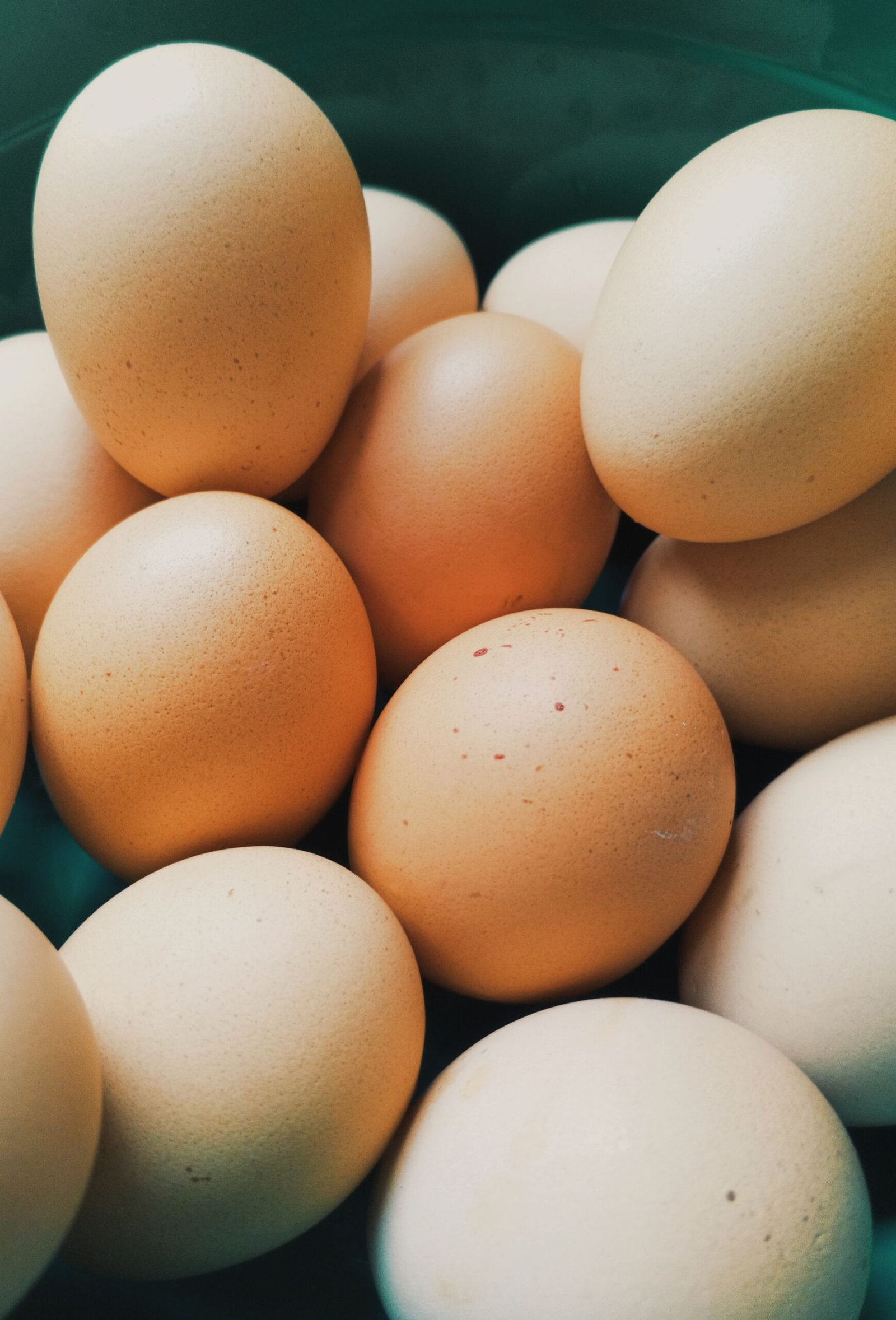
How to Serve Eggs to Your Dog Safely
Now the practical part: turning those nutritional benefits into a safe, enjoyable addition to your dog’s routine.
The Best Cooking Methods
Hard-boiled eggs are the simplest and arguably the best option. No added fat, easy to portion, portable for training, and most dogs love them. Boil, cool completely, peel, and serve whole, halved, or chopped over food.
Scrambled eggs work well too, as long as you cook them plain in a non-stick pan with no butter, oil, milk, salt, or seasoning. Let them cool before serving.
Poached eggs are another fine no-added-fat option, though slightly more effort.
Avoid fried eggs cooked in butter or oil, and never serve eggs with seasonings meant for human tastes.
You can also batch-prep eggs for the week. Hard-boiled eggs keep well in the refrigerator for up to seven days when stored in their shells, so boiling three or four on a Sunday gives you ready-made toppers and training treats for several days. Just remember to peel them right before serving, since most dogs will try to swallow shell fragments along with the egg, and keep the stored eggs clearly separate from the ones seasoned for human family members.
How Many Eggs Can Dogs Eat? Sensible Portion Guidance
There is no single official number, because the right portion depends on your dog’s size, overall diet, and calorie needs. As a practical starting point used by many veterinarians:
- Small dogs (under 20 lbs): about half an egg, a few times per week.
- Medium dogs (20 to 50 lbs): up to one whole egg, a few times per week.
- Large dogs (over 50 lbs): one whole egg, a few times per week; very large, active dogs may handle slightly more.
Think of eggs as a treat or topper rather than a meal. A few times per week is plenty. If eggs become a daily habit, reduce the regular meal portion slightly to keep total calories steady, and mention it to your vet at the next checkup so they have the full picture of your dog’s diet.
Puppies, Seniors, and Dogs With Health Conditions
Puppies can eat cooked eggs in small amounts appropriate for their size. The protein and nutrients support growth, but a puppy’s diet needs precise balance, so eggs should remain a small extra on top of a quality puppy food, not a significant component.
Senior dogs often benefit from highly digestible protein to help maintain muscle mass, and eggs fit that role nicely. Older dogs with reduced appetites may find the taste and texture of eggs appealing, which can help encourage eating. As always, keep portions modest.
Dogs with pancreatitis, kidney disease, liver conditions, or chronic digestive issues need veterinary guidance before adding eggs. The fat in yolks may be inappropriate for pancreatitis-prone dogs, and protein or phosphorus levels matter in kidney disease. When in doubt, ask your vet first. This is one of those areas where general guidance genuinely cannot replace professional advice tailored to your dog.
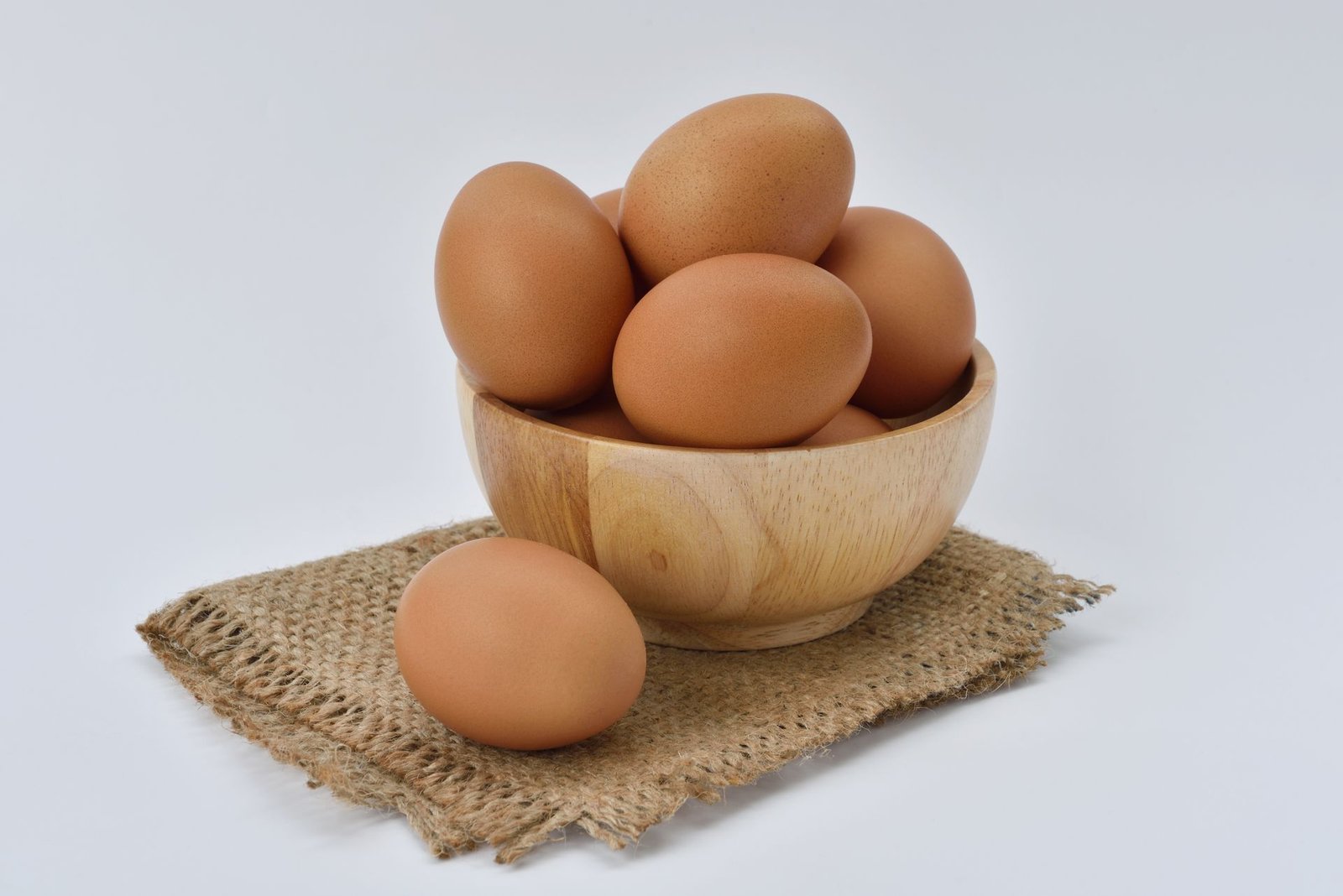
What About Eggshells?
You may have heard that crushed eggshells are a good source of calcium for dogs, and there is truth in it: eggshells are primarily calcium carbonate. Some homemade-diet recipes include carefully prepared eggshell powder as a calcium supplement.
However, this is an area where DIY enthusiasm can go wrong. Calcium and phosphorus must be kept in the right ratio, and oversupplementing calcium, especially in growing large-breed puppies, can cause serious skeletal problems. If you feed a complete commercial diet, your dog already gets the right amount of calcium, and adding eggshells can unbalance it.
If you are preparing homemade meals and considering eggshell powder, do it under the guidance of your veterinarian or a board-certified veterinary nutritionist who can calculate the correct amount. Do not feed large, sharp shell fragments, which could irritate the mouth or digestive tract. For most owners feeding commercial food, the simple answer is: skip the shells and just serve the egg.
Frequently Asked Questions
Can dogs eat raw eggs?
It is not recommended. Raw eggs can carry Salmonella and other bacteria that may make your dog sick and can spread to humans in the household through handling or the dog’s stool. Raw egg whites also contain avidin, which interferes with biotin absorption over time. Cooking eliminates both concerns, so always serve eggs cooked.
Are scrambled eggs good for dogs?
Yes, as long as they are cooked plain. Scramble eggs in a non-stick pan without butter, oil, milk, salt, cheese, or seasonings, let them cool, and serve. Many dogs find scrambled eggs especially appealing because of the soft texture, which makes them useful for hiding medication or tempting a picky eater.
Can puppies eat eggs?
Yes, puppies can eat small amounts of cooked egg appropriate for their size. Eggs provide quality protein that supports growth. Keep portions small, introduce gradually, and remember that a balanced puppy food should remain the foundation of the diet. If your puppy has a sensitive stomach, start with a tiny taste and monitor.
How often can I give my dog eggs?
A few times per week is a sensible frequency for most dogs. Daily eggs are not necessary and make it harder to keep the overall diet balanced within calorie limits. If you want to feed eggs more often, talk to your veterinarian about adjusting the rest of the diet to compensate.
Can dogs eat egg yolks, or just the whites?
Dogs can eat both the yolk and the white. The yolk contains most of the vitamins, minerals, and healthy fats, while the white is almost pure protein. There is no need to separate them for a healthy dog. The exception is dogs on fat-restricted diets for conditions like pancreatitis, where your vet might advise whites only or no eggs at all.
My dog ate a raw egg off the counter. Should I worry?
A single raw egg is unlikely to cause serious harm in a healthy adult dog, but monitor for vomiting, diarrhea, lethargy, or loss of appetite over the next day or two. The greater concern is if this becomes a habit or if your dog is very young, elderly, or immunocompromised. Contact your veterinarian if any symptoms appear or if you are concerned.
The Bottom Line: Can Dogs Eat Eggs as Part of a Balanced Diet?
Can dogs eat eggs? Yes, and they can be a genuinely healthy addition when handled right. Cooked, plain, and served in sensible portions, eggs offer complete protein, valuable vitamins and minerals, and healthy fats in a package most dogs find irresistible. They work beautifully as an occasional treat, a training reward, or a meal topper for a picky eater.
The rules are simple enough to remember: always cook the egg, keep it plain, respect the 10% treat guideline, introduce new foods gradually, and check with your veterinarian if your dog has health conditions or you want to make eggs a regular feature. Do that, and those hopeful eyes watching you crack eggs at breakfast can occasionally be rewarded. For more guidance on building a balanced bowl, explore our dog nutrition articles for practical, vet-informed feeding advice.