

Senior Dog Nutrition: Adjusting the Diet as Dogs Age
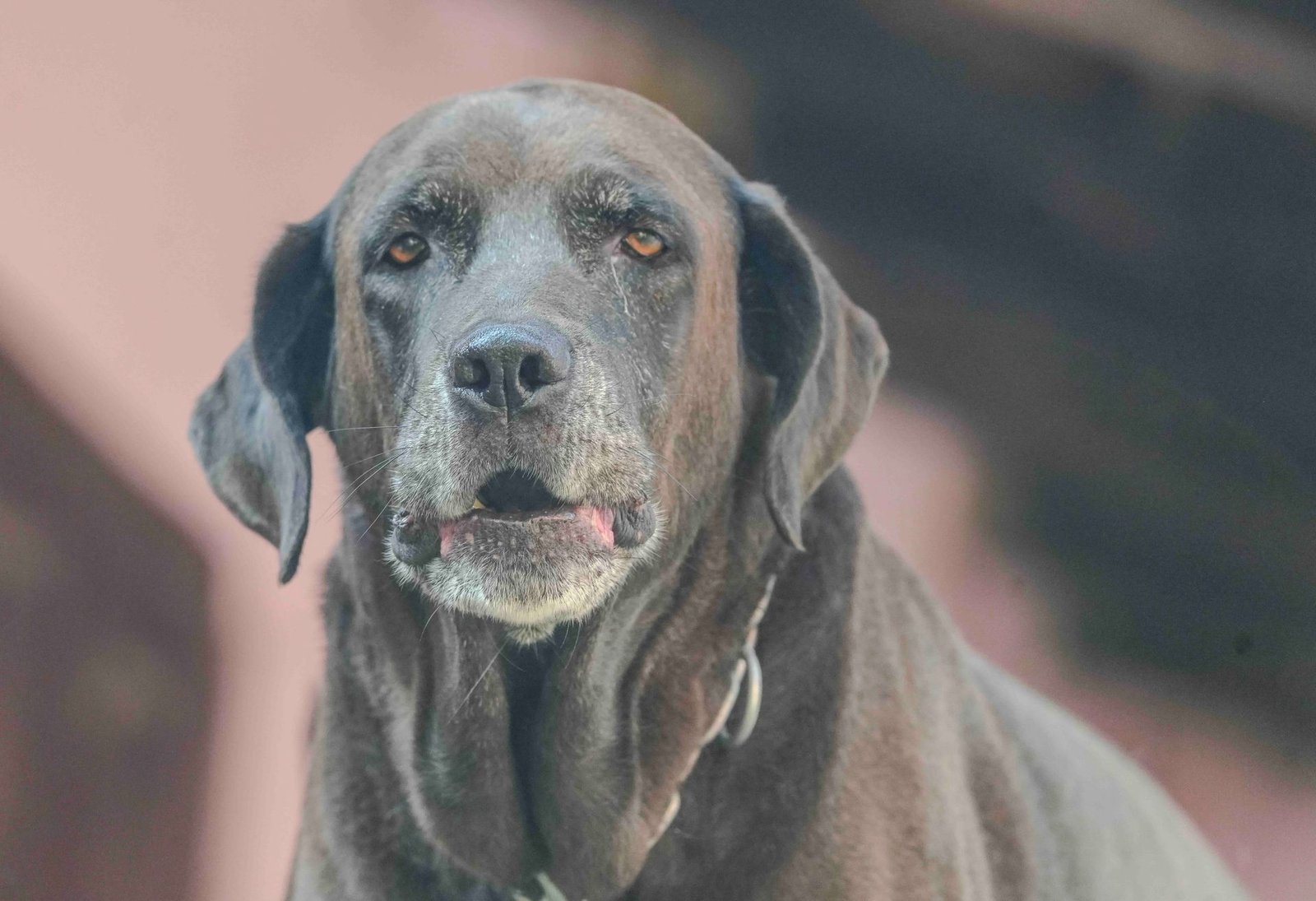
The muzzle is going grey, the naps are getting longer, and the zoomies — while not gone — are shorter than they used to be. Your dog is entering their senior years, and just as with the senior cats we covered earlier, aging changes what good nutrition looks like. This senior dog nutrition guide will help you adjust your dog’s diet thoughtfully through the golden years — supporting joints, managing weight, and keeping mealtimes joyful for as long as possible.
When is a dog “senior”? It depends heavily on size: small breeds may not show their age until 10 or 11, while giant breeds can be seniors at 6 or 7 — a range that surprises many owners. Your vet can tell you when your individual dog has crossed the line — and that is the right moment to review the food bowl, not years later when problems have already taken hold.
Key Takeaways
- Dogs become seniors at different ages by size — roughly 7+ for large/giant breeds, 10+ for small breeds.
- Senior dogs need high-quality protein to preserve muscle, not protein restriction (unless a vet diagnoses kidney disease).
- Weight management is the single highest-impact nutritional lever for aging dogs — lean seniors move better and live better.
- Joint-supporting nutrition, appropriate calories, and highly digestible food matter more than any “senior” label.
- Watch appetite, weight, and stool quality closely — changes in seniors deserve prompt veterinary attention.
- Transition to senior feeding gradually, and review the diet at every senior vet checkup (every 6 months).
How Aging Changes a Dog’s Nutritional Needs
Aging in dogs, as in cats, rewrites the nutritional equation. Metabolism typically slows, so calorie needs decline — yet the need for quality protein increases to fight the gradual muscle loss of aging. Digestive efficiency can wane, making highly digestible food more valuable. The senses dull: smell and taste fade, which is why some seniors turn up their noses at foods they once loved. Dental disease — extremely common in older dogs — can make chewing painful. And the joints that once powered endless fetch now benefit from every ounce of weight kept off them.
The most important mental shift: senior feeding is not about restriction, it is about precision. Less total energy, but better nutrition in every bite — and more attention to the individual dog, because seniors vary enormously. A sprightly 12-year-old terrier and a stiff 8-year-old mastiff are both “seniors” with very different needs. Our Dog Food & Nutrition hub covers the fundamentals that still apply at every age.
Senior Dog Nutrition Guide: The Key Adjustments
Calories: fewer, but carefully
Most senior dogs need fewer calories than they did in their prime — sometimes notably fewer, as activity drops. But “fewer calories” must never mean “less nutrition.” The goal is a diet with appropriate energy density and full nutrient adequacy: every calorie should earn its place. This is where senior-formulated foods earn their keep — they are designed to deliver complete nutrition at the lower calorie intakes typical of older dogs.
The feedback loop is body condition. Feel the ribs (easily felt under light fat cover), look for a waist from above and a tucked belly from the side, and weigh regularly. Adjust food at the first sign of drift. An overweight senior dog is carrying a burden on every joint with every step — and weight loss, done gradually and with vet guidance, is often the most transformative “treatment” an arthritic dog receives.
Protein: protect the muscle
The outdated idea that older dogs need low protein has been replaced by better understanding: healthy senior dogs need ample high-quality, digestible protein to maintain muscle mass, immune function, and body condition. Muscle is metabolic currency in old age — it keeps dogs mobile, warm, and resilient. Only dogs diagnosed with kidney disease (or certain other conditions) need protein modification, and that is a veterinary decision based on lab work, not a preventive guess.
Look for foods with named animal proteins and good digestibility. If your senior is losing muscle despite eating well, that is a vet conversation, not a cue to simply add more food.
Fat: enough for energy and coat, not so much for the waistline
Dietary fat keeps senior coats glossy, carries fat-soluble vitamins, and makes food palatable — important when appetites wane. But fat is calorie-dense, and the margin between “enough” and “too much” narrows as metabolism slows. Omega-3 fatty acids receive particular attention in senior dogs for their role in managing the chronic low-grade inflammation of aging and supporting joint comfort — many senior formulas include them, and your vet can advise on supplementation where appropriate.
Fiber and digestion
Slightly higher fiber — especially gentle, soluble sources — supports digestive regularity in seniors prone to constipation, and helps overweight dogs feel full on fewer calories. Highly digestible ingredients matter more as gut efficiency declines: the easier the food is to break down, the more nutrition your senior extracts from each meal. If stools become consistently large-volume or soft despite a quality diet, digestibility is worth raising with your vet.
Joint-supporting nutrients
Glucosamine, chondroitin, omega-3s, and green-lipped mussel appear in many senior formulas for joint support. The evidence is modest — these are gentle adjuncts, not treatments — but they are reasonable inclusions. Keep perspective: for an arthritic dog, the interventions with real impact are weight control, appropriate exercise (short, frequent, low-impact), environmental adaptations (ramps, non-slip rugs, raised bowls, orthopedic bedding), and vet-prescribed pain management. Nutrition supports the plan; it is not the plan.
Senior Health Conditions With Nutritional Angles
Several common senior conditions interact with diet — worth understanding as background for vet conversations:
Chronic kidney disease. Diet is a cornerstone of management: therapeutic kidney diets with controlled phosphorus and adjusted protein, plus strong hydration support. If your vet diagnoses CKD, nutrition becomes medical treatment — follow the prescribed plan precisely.
Heart disease. Dogs with heart conditions may need sodium moderation and careful weight control; some cardiac diets add supportive nutrients like taurine and L-carnitine. Never restrict sodium drastically on your own — it requires veterinary calibration.
Diabetes. Consistent meal timing synchronized with insulin, controlled weight, and sometimes adjusted carbohydrate levels. Diabetic feeding routines are vet-designed; consistency matters more than any specific product choice.
Arthritis. Not a diet disease, but profoundly diet-influenced through weight. An arthritic dog at a lean weight moves better, needs less pain medication, and stays active longer — and activity preserves the muscle that supports the joints. The virtuous circle starts at the bowl.
Dental disease. Perhaps the most underappreciated nutritional issue in seniors: a dog that cannot chew comfortably cannot eat well, no matter what you serve. Professional dental care, when your vet advises it, is nutritional care.
Cancer. Dogs undergoing cancer treatment need excellent nutrition to maintain weight and strength — your vet or a veterinary nutritionist can guide feeding through treatment, prioritizing palatability and calorie density.
Exercise and Nutrition: The Senior Partnership
Food is only half the senior equation — the other half is movement, and the two work together. Regular, gentle exercise preserves the muscle that protein builds, keeps joints lubricated, maintains a healthy appetite and digestion, and supports the restful sleep that aging dogs need. The formula: short, frequent, low-impact. Two or three gentle 15–20 minute walks often serve a senior better than one long weekend hike. Swimming is superb for arthritic dogs — full-body exercise with no joint impact. Nose work, gentle puzzle feeders, and short training sessions keep the mind engaged, which keeps the whole dog younger.
Nutrition fuels this: a well-fed senior has the energy to move, and a moving senior maintains the muscle that nutrition supports. When either side falters — too little food, too little movement — the decline accelerates. Keep both sides of the partnership alive for as long as your dog’s body allows, adjusting intensity to the individual in front of you.
Feeding the Senior Dog: Practical Rhythms
- Two to three smaller meals rather than one large one. Seniors digest smaller meals more comfortably, and splitting the day’s food keeps energy steadier. It also gives you two or three daily appetite check-ins — valuable data in older dogs.
- Consistent timing. Aging dogs find comfort in routine, and regular mealtimes support digestive regularity.
- Warm it up. Warming wet food (or adding warm water to kibble) releases aroma that tempts dulled senses — one of the simplest appetite tricks for seniors.
- Softer textures for sore mouths. Dogs with dental disease, missing teeth, or sore gums often prefer wet food or moistened kibble. Do not mistake “eating slowly” for “not hungry” — it may be pain, and dental care may be overdue.
- Fresh water, always. Hydration supports everything, especially kidneys. Multiple water stations and cleaned bowls daily.
- Slow feeders for fast eaters. Some seniors inhale food then feel unwell; a slow-feeder bowl paces them and adds gentle mental engagement.
- Medication timing. If your senior takes medication with food, build the routine around it — same meals, same order, every day. Consistency improves both compliance and drug absorption.
- Keep a feeding log during changes. When adjusting portions or foods, a two-week note of amounts, appetite, stool quality, and weight turns vague impressions into actionable data for your vet.
If you are changing formats with age — say, introducing more wet food — transition gradually over 7 to 10 days, as our transition guide details. Senior digestive systems appreciate gentle change.
The Appetite Question: When Seniors Eat Less (or More)
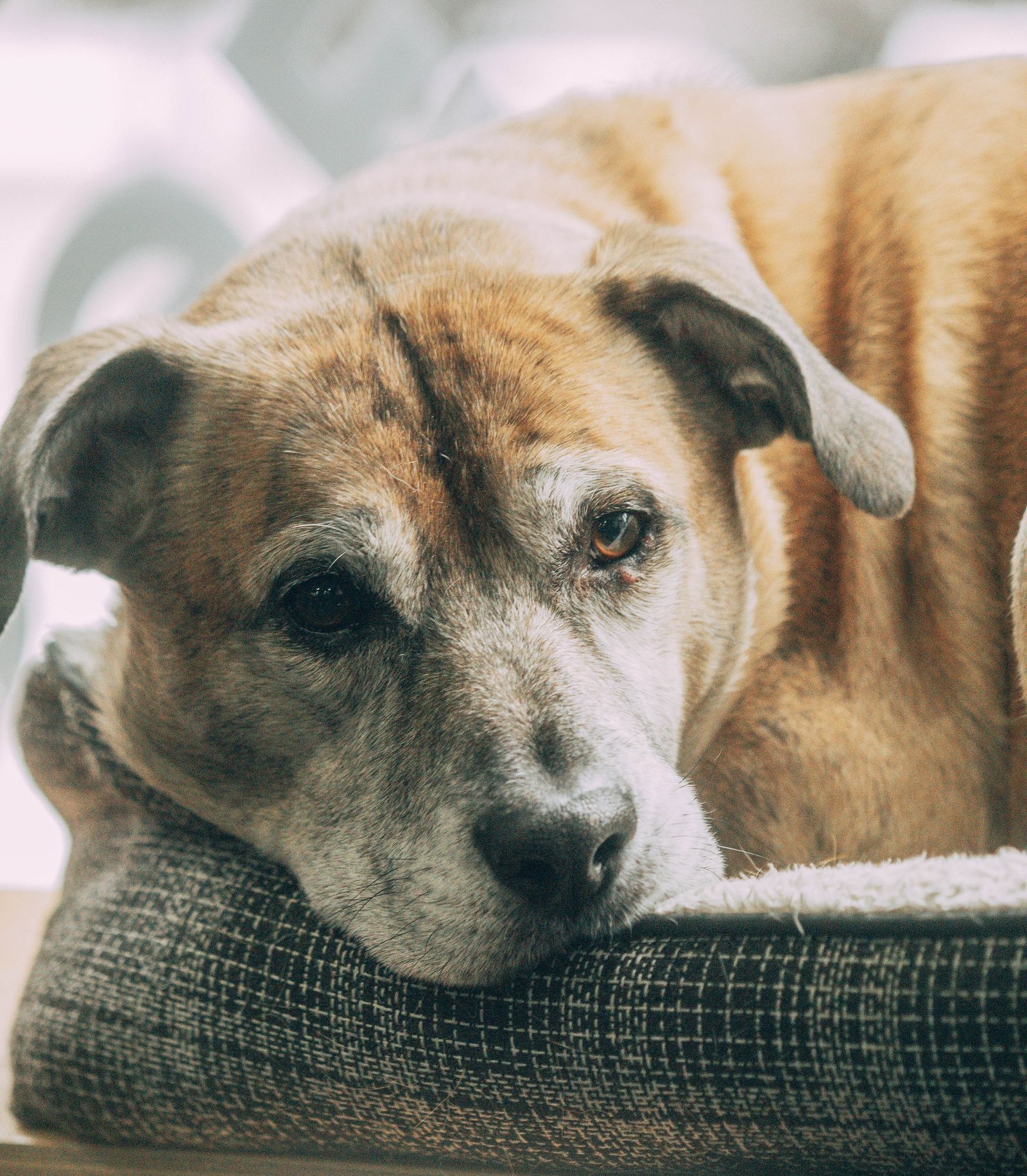
Eating less is the more common and more concerning direction. Work through the possibilities: dental pain (approach food eagerly then back away?), dulled smell (try warming), nausea (kidney disease, medications), or simply a food that no longer appeals. Never let a senior dog go without eating for more than a day without veterinary input — and do not assume “old dogs just eat less.” Sometimes they do; often something treatable is going on.
Eating more — a sudden increase in appetite, especially with weight loss — is equally worth reporting. In seniors, it can signal conditions like Cushing’s disease or diabetes. Appetite changes in either direction are data; bring them to your vet.
A note on hand-feeding: some seniors that refuse the bowl will eat from your hand — the personal attention and slightly warmed kibble can break through appetite reluctance. There is nothing wrong with hand-feeding a senior as a bridge strategy while you address the underlying cause; comfort has nutritional value too.
Weight: The Lever That Matters Most
If this guide had to crown one nutritional priority for senior dogs, it would be healthy weight. The evidence is unusually clear: lean dogs live longer and healthier lives than overweight ones — landmark research has shown meaningfully longer lifespans for dogs kept lean throughout life — and the effect is most dramatic in seniors, where every extra pound multiplies joint pain, strains the heart, worsens breathing, and reduces mobility — which reduces muscle — which worsens everything.
Practical weight management for seniors:
- Weigh monthly and keep a simple log. Small drifts are easy to correct; big ones are not.
- Measure every meal. The “scoop” creeps up over time; a measuring cup does not lie.
- Count treats. Training treats, table scraps, dental chews — they all count. Keep treats to a small fraction of daily calories.
- Adjust for the season. Winter inactivity, post-surgery rest, and rainy weeks all reduce calorie burn — portions should flex with lifestyle.
- Lose weight slowly. Crash dieting is dangerous; your vet will set a safe rate (typically a small percentage of body weight per week) and monitor.
For the underweight senior — the dog eating well but thinning — see your vet promptly. Malabsorption, dental pain, organ disease, and even cognitive decline (forgetting to eat, in very old dogs) can all present this way.
Senior Food Formats: What Works
Senior-specific formulas adjust calories, protein quality, fiber, and joint-supporting ingredients for aging dogs. They are sensible defaults for healthy seniors, though a high-quality adult food is not suddenly wrong on a birthday — discuss timing with your vet.
Wet food brings moisture, aroma, and soft texture — increasingly valuable as teeth, kidneys, and appetites age. Many owners shift seniors toward more wet food with excellent results. (Our dry vs wet dog food comparison covers the format trade-offs in full.)
Dry food remains fine for seniors that chew comfortably and drink well — calorie-dense for hard keepers, convenient, and useful in slow feeders that turn meals into gentle mental work.
Therapeutic diets belong to diagnosed conditions only — kidney, urinary, weight-loss, and other veterinary formulas chosen from lab work, never self-prescribed.
Cognitive Decline: Feeding the Aging Mind
Canine cognitive dysfunction — the doggy equivalent of dementia — affects a significant share of very old dogs: disorientation, disrupted sleep, house-soiling, altered interactions. Nutrition cannot reverse it, but supportive care helps: diets rich in antioxidants and omega-3s are marketed for brain aging (evidence is suggestive rather than strong), while the genuinely impactful measures are routine, mental enrichment (gentle training, puzzle feeders, new smells on walks), and vet-prescribed support where appropriate. Keep feeding times and locations absolutely consistent — predictable routines reduce anxiety in cognitively declining dogs, and a confused senior who can always find their bowl is a calmer one. If your senior seems “not themselves” mentally, mention it at the checkup — early recognition opens more options.
Frequently Asked Questions
At what age is a dog considered senior?
It depends on size: roughly 6–7 years for giant breeds, 7–8 for large breeds, 9–10 for medium breeds, and 10–11 for small and toy breeds. Your vet will tell you when your individual dog has entered the senior phase — that is the cue to review nutrition.
Should I switch my senior dog to senior food?
It is a reasonable step for most healthy seniors, but not an emergency on any particular birthday. Senior formulas adjust calories and nutrients for aging — discuss timing at your dog’s next checkup, and transition gradually over 7 to 10 days whenever you switch.
Is wet or dry food better for older dogs?
Wet food has real advantages for seniors — moisture, aroma, soft texture — and many owners increase the wet proportion with age. But seniors thriving on dry food with good water intake do not need a forced change. A mix of both is a fine approach.
Why is my senior dog losing weight?
Unexplained weight loss in a senior dog always deserves veterinary attention. Dental pain, kidney disease, diabetes, digestive disorders, and other treatable conditions commonly present this way. Do not simply feed more without investigating the cause.
Can senior dogs eat puppy food to gain weight?
Puppy food is calorie-dense, but it is formulated for growth — not for aging bodies — and its mineral profile is wrong for long-term senior feeding. If your senior needs to gain weight, ask your vet for a plan targeting the underlying cause rather than improvising with growth food. (The same principle we cover in our puppy nutrition guide, in reverse.)
How often should senior dogs see the vet?
Every six months, with lab work at least annually. Senior checkups catch the kidney, liver, thyroid, and metabolic changes that should drive nutritional decisions — the best senior diet is always the one adjusted to current health data.
Should I give my senior dog joint supplements?
They are reasonable low-risk additions, but keep expectations modest — the evidence is thinner than the marketing. For real joint support, prioritize lean weight, appropriate exercise, and vet-prescribed pain management; consider supplements a possible gentle extra, discussed with your vet.
My senior dog sleeps all day — is that normal?
Seniors do sleep much more — often 16+ hours — but there is a difference between peaceful napping and lethargy. A senior that still greets you, eats eagerly, and enjoys short walks is likely fine. One that is hard to rouse, skips meals, or has lost interest in everything deserves a vet visit. When in doubt, report the change.
Should senior dogs eat on a schedule or graze?
A schedule — two to three measured meals at consistent times. Grazing makes calorie control impossible and hides the appetite changes that are early warning signs in older dogs. The routine itself is comforting to seniors, and the regular check-ins let you monitor exactly how eating is going.
Conclusion: Growing Old Gracefully, One Bowl at a Time
This senior dog nutrition guide distills to a loving formula: right-size the calories, prioritize quality protein, embrace moisture and aroma, feed smaller meals more often, guard the weight above all, and partner with your veterinarian through every change. The senior years ask a little more attention at the bowl — and repay it with comfort, vitality, and more good days together.
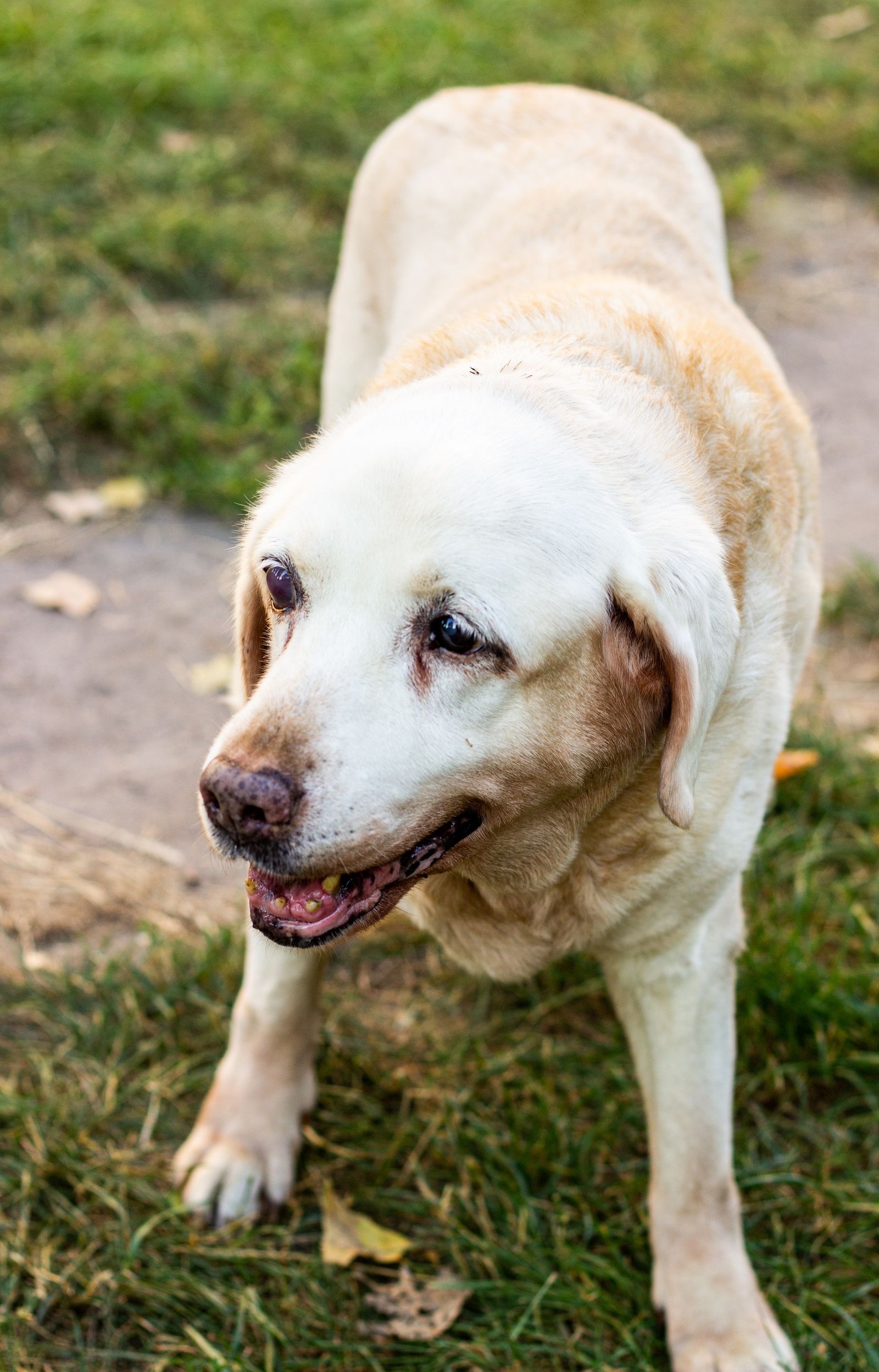
Your old friend has given you their best years without keeping score. The grey muzzle, the slower gait, the deeper naps — these are not problems to solve but a life to honor, one thoughtful meal at a time. The food bowl is where your care becomes tangible: every measured portion, every warmed meal, every pound kept off the joints is a concrete act of love. Schedule that senior checkup, adjust the food with care, and savor the quiet, devoted companionship that only an old dog gives — it is the finest thing in a pet owner’s life. For more on feeding through every life stage, visit our Pet Diet Plans & Feeding Guides — and please read our Disclaimer.
A note on veterinary advice: This article is educational and is not a substitute for professional veterinary advice. Senior dogs should have veterinary checkups every six months — always work with your veterinarian on diet changes, weight concerns, and appetite problems in older dogs.