

Healthy Cat Treats: A Complete Guide
Treats are the love language of pet ownership — and cats, for all their independence, speak it fluently. The rattle of the treat bag produces a response no dinner bell can match. But feline treats deserve more thought than most owners give them. Cats’ tiny calorie budgets mean treats carry outsized nutritional weight, their carnivore biology makes many “treat” ingredients pointless filler, and a surprising number of common human foods are genuinely dangerous to cats.
This healthy cat treats guide covers everything: how treats fit into a cat’s diet (the 10% rule, feline edition), what makes a treat genuinely healthy for an obligate carnivore, how to read treat labels in sixty seconds, treats and foods to avoid completely, smart uses for treats beyond snacking (training, enrichment, medication), and simple homemade options. By the end, you’ll treat your cat generously and wisely — the two are not in conflict, and the cat won’t notice the difference except in the quality of the ritual.
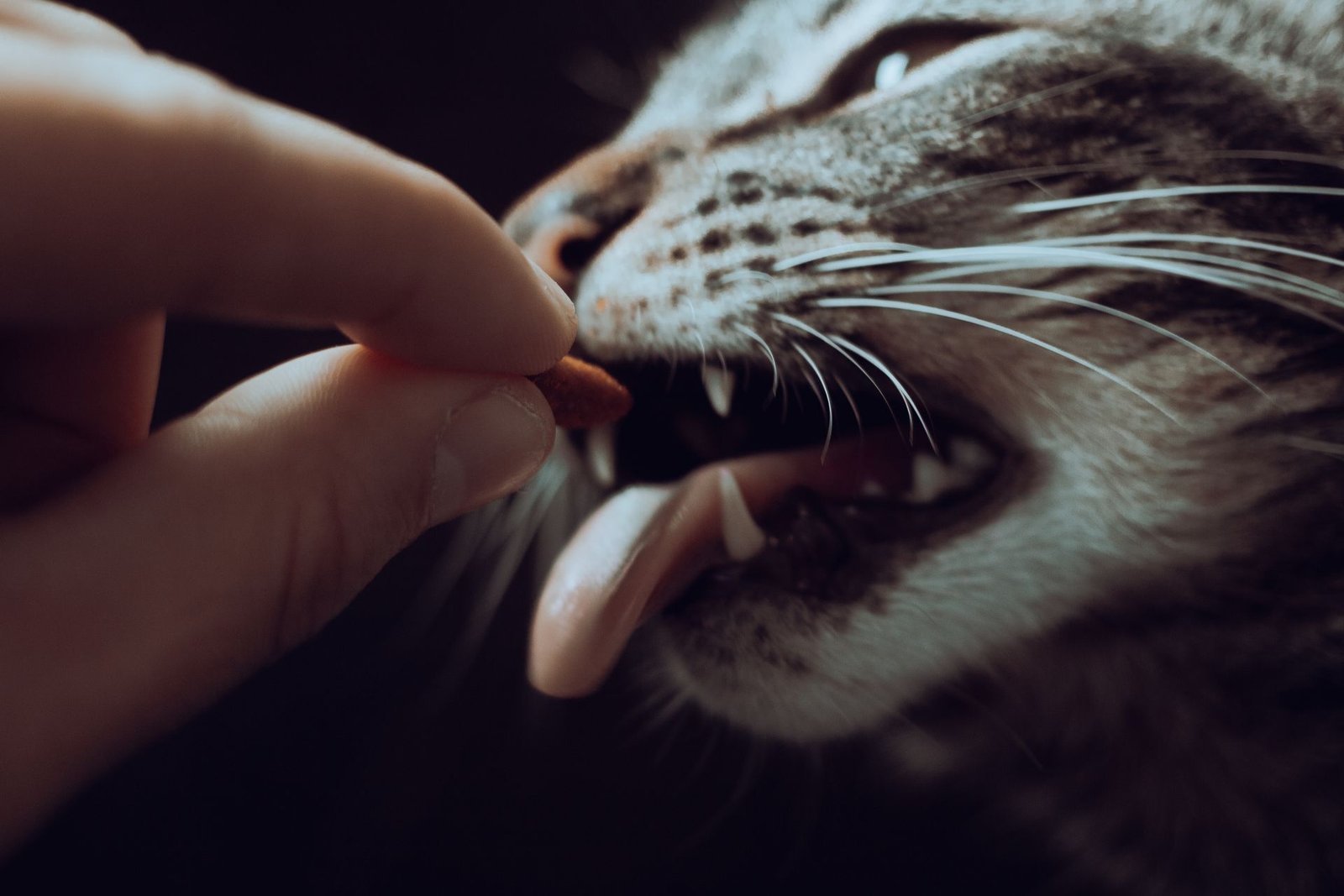
🐾 Key Takeaways
- The 10% rule is stricter for cats — 10% of a ~280 kcal day is under 30 kcal: just a couple of small treats.
- Meat-first treats suit carnivores — single-ingredient freeze-dried meats and named-meat treats beat carb-heavy biscuits.
- Read treat labels like food labels — check ingredients, calorie content, and whether the treat is complete or for “intermittent feeding only.”
- Several human foods are toxic to cats — onion, garlic, chocolate, grapes/raisins, xylitol, and alcohol must never be treats.
- Treats are tools — use them for training, enrichment, bonding, and pilling, not just spontaneous snacking.
- When in doubt, use the daily ration — a spoonful of regular food as “treats” adds zero extra calories.
The 10% Rule, Feline Edition
The universal treat guideline — treats should supply no more than ~10% of daily calories, with the other 90%+ from complete, balanced food — applies to cats with a special urgency. Here’s why: the math is brutal at feline scale.
A typical neutered indoor adult cat needs roughly 250–300 kcal daily (see our cat portion guide for the full breakdown). Ten percent of that is 25–30 kcal. A single large commercial treat can contain 10–15 kcal — meaning two treats can consume most of the day’s budget. A “handful of treats” tossed casually through the day can easily reach 50–80 kcal: a 20–30% dietary overshoot from treats alone, sustained daily, which is precisely how indoor cats gain their quiet extra pounds.
Practical consequences:
- Count treats like food. If you give treats daily, subtract their calories from meals. A cat getting 30 kcal in treats needs 30 fewer kcal at mealtimes — not the same meals plus treats.
- Break treats smaller. Most commercial treats are sized for human generosity, not feline budgets. Halving or quartering them doubles or quadruples the number of “treat moments” per calorie — and cats respond to the ritual more than the volume.
- Beware treat creep. The extra treat for being cute, the bedtime treat, the “sorry I was late” treat — each feels negligible; together they rewrite the diet. Pre-portion the day’s treats each morning if your household tends toward generosity.
- Multi-cat fairness multiplies everything. Treating one cat usually means treating all of them — budget accordingly, or treat separately.
- Time treats strategically. Treats given right before meals can spoil appetites for the balanced food that matters most; treats as between-meal rewards or training payoffs keep mealtime appetite intact. The bedtime treat ritual is the classic well-placed exception — far from meals, rich in bonding.
None of this means treats are bad. It means treats are concentrated — a little goes a long way, which is actually good news: a tiny, thoughtful treat delivers the full bonding payoff at a fraction of the dietary cost. Think of the treat budget the way you’d think of dessert in a human diet: delightful, intentional, and portioned — never the main event.
What Makes a Treat Healthy for a Cat
Cats are obligate carnivores — a fact our cat nutrition guide explores in depth. Their treats should respect that biology:
Meat-first, ideally single-ingredient. The healthiest commercial cat treats read like a butcher’s list: freeze-dried chicken, freeze-dried salmon, dehydrated turkey liver. One ingredient, animal-sourced, minimally processed. These deliver species-appropriate protein with nothing to dilute it — and most cats find them irresistible, which solves the palatability question that plagues “healthy” treat marketing.
Named ingredients, not mysteries. Whether the treat is simple or formulated, look for named animal ingredients (chicken, salmon, turkey) rather than vague terms (meat by-products, animal digest, “meat and animal derivatives”). The label-reading skills from our cat food label guide transfer directly to treat packages.
Calorie transparency. Good treat brands state calories per treat (or per gram). This single number determines whether a treat fits the 10% budget — a treat without calorie information is a treat you can’t plan around. Favor brands that disclose it.
Appropriate texture and size. Small, soft treats suit most cats; crunchy treats can help with the mechanical pleasure of chewing (though the actual dental benefit of most treats is modest — more below). For kittens and seniors, softer textures are kinder. Whatever the format, size should suit a cat’s mouth — many “cat treats” are oddly large and benefit from breaking.
“Complete” vs. “complementary.” Most treats are labeled for intermittent or supplemental feeding only — meaning they’re not nutritionally complete and must stay within the treat budget. A treat marketed as “complete and balanced” can technically supply more of the diet, but the 10%-ish discipline still applies for weight management. The label tells you which category you’re holding.
What doesn’t matter much: fancy flavors, “gourmet” positioning, elaborate shapes, or premium pricing. Cats don’t read marketing — they read protein. The simplest meat treat usually beats the most elaborately packaged one.
Reading Treat Labels: A 60-Second Method
Treat packages are smaller than food bags, but the same label skills apply. Here’s the quick audit:
- Ingredient list (first three items). Named animal ingredients up front is the pass mark. If the first ingredients are grains, starches, or vague “meat derivatives,” the treat is built on filler — edible, but not healthy in any meaningful sense.
- Calorie content. Look for kcal per treat or per piece. No calorie statement? You can’t budget it — treat it as guilty until proven innocent, or contact the manufacturer. This number matters more on treats than on food, because the 10% budget is so small.
- Feeding purpose statement. “For intermittent or supplemental feeding only” is normal and honest. Treats claiming complete nutrition should meet the same adequacy standards as food — verify the AAFCO-style statement rather than taking the front panel’s word.
- Guaranteed analysis. Less critical on treats than food (they’re 10% of the diet), but protein and fat minimums still tell you whether the treat is meat-based or starch-based in practice.
- Red-flag scan. Artificial colors (cats don’t care about color — it’s for you), added sugars or syrups, propylene glycol (avoid in cat products), and “natural flavors” doing heavy lifting in an otherwise plant-based list.
Run this audit once per treat brand and you’re done — most households rotate two or three treat types, so it’s a ten-minute investment that pays off for years. Our dog treats guide walks through the same label skills from the canine side, if you run a mixed household.
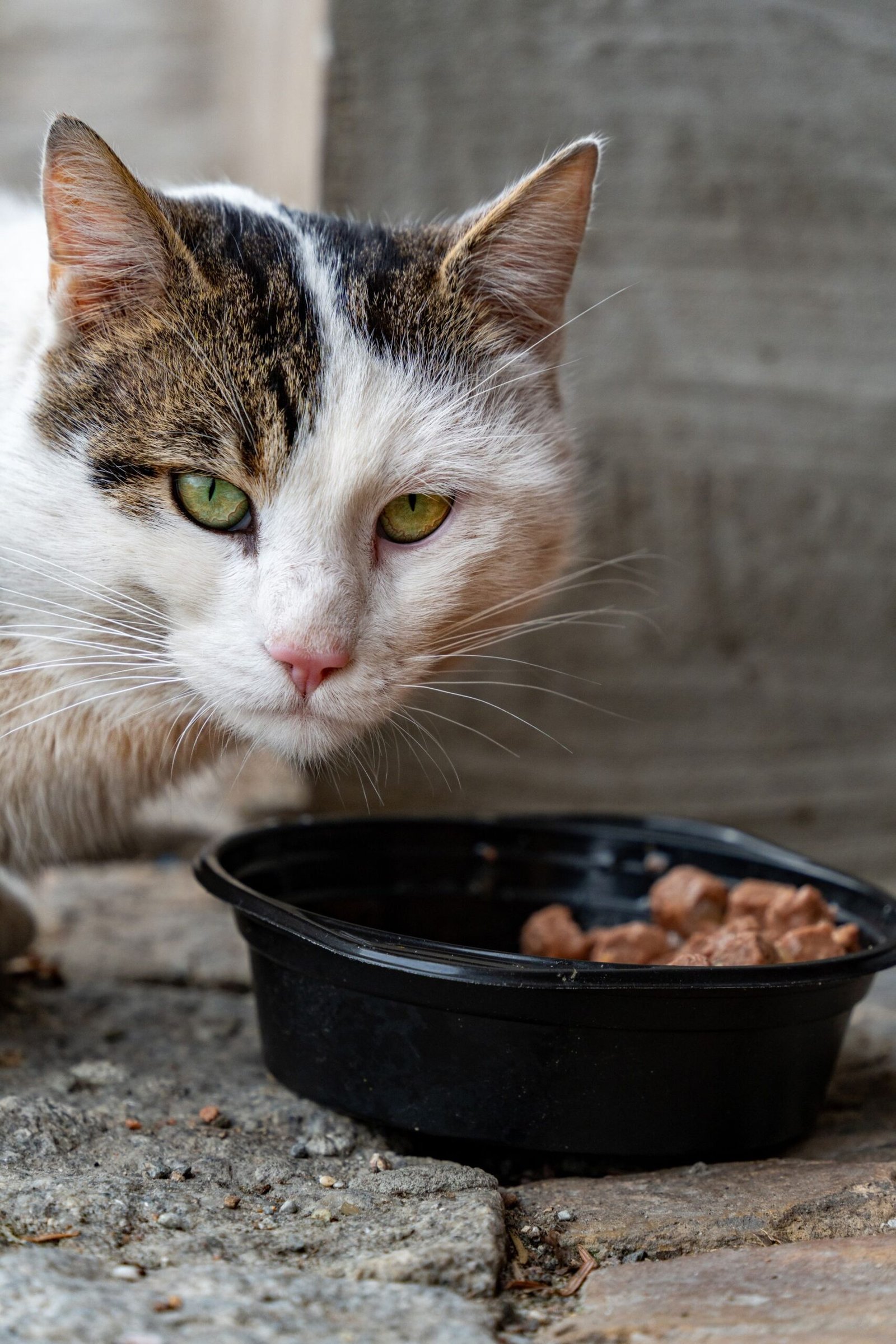
Treats and Foods to Avoid Completely
Some things must never be cat treats. This list is non-negotiable — keep it in mind especially when children or guests are doing the treating:
- Onion and garlic (all forms — raw, cooked, powdered): damage cats’ red blood cells; cats are more sensitive than dogs.
- Chocolate: theobromine toxicity; darker chocolate is worse.
- Grapes and raisins: toxic to cats as well as dogs, though feline cases are less commonly reported.
- Xylitol (birch sugar — in some sugar-free gums, candies, and peanut butters): dangerous; check labels on anything sugar-free.
- Alcohol: toxic in small amounts; never a joke, never a treat.
- Raw dough with yeast: expands and produces alcohol in the stomach.
- Dog treats and dog food as routine treats: dog products aren’t formulated for feline needs (notably taurine) — an occasional stolen nibble is harmless, but don’t buy dog treats for your cat.
Beyond the toxic list, use caution with: dairy (many adult cats are lactose-intolerant — a saucer of milk is a classic mistake), raw meat/fish/eggs (bacterial and parasite risks; cooking eliminates most of the concern), tuna as a habit (occasional tuna water or flakes are fine, but tuna-heavy diets risk nutritional imbalance and mercury exposure over time), and anything with bones that can splinter.
If ingestion happens: don’t wait for symptoms with the toxic-list items — contact your veterinarian or an animal poison helpline promptly, noting what was eaten and how much. Speed matters more than certainty.
Smart Uses for Treats: Beyond Snacking
The healthiest treat habit isn’t about which treats — it’s about why. Treats deployed with purpose deliver value far beyond their calories:
Training. Yes, cats train — they learn their name, come when called, accept carriers and harnesses, and master tricks, all through positive reinforcement. Training treats should be tiny, aromatic, and high-value (freeze-dried meat is the gold standard). Keep sessions short (a few minutes), reward generously during learning, then fade to intermittent rewards once the behavior is solid. A cat learning “come” for a pea-sized chicken bit is getting enrichment, exercise, and bonding per calorie — the best treat ROI there is. Even senior cats learn new behaviors with patient, treat-driven sessions.
Enrichment and play. Scatter treats for “hunting,” hide them in puzzle feeders, or toss one down the hallway for a chase. A treat that costs a cat fifty pounces is nutritionally identical to one handed over — but behaviorally transformative, especially for indoor cats prone to boredom. Food puzzles turn the treat budget into an activity budget.
Bonding and routine. The bedtime treat ritual, the post-grooming reward, the “welcome home” ceremony — cats thrive on predictable rituals, and treat rituals deepen the human-cat bond measurably. Ritual treats also make excellent transition tools: new home, new family member, post-vet-visit decompression.
Medication and care. Pill pockets and treat-wrapped medications turn warfare into routine for many cats. Similarly, a treat after nail trims, carrier loading, or tooth-brushing builds positive associations that pay off for years. Reserve the highest-value treats for these moments so they keep their power.
Appetite monitoring. Here’s an underused one: a cat who normally mobbed treat time and suddenly declines is telling you something. Treat response is a daily health signal — one more reason scheduled treat rituals beat random snacking.
The theme: make every treat earn its place — in training, in play, in bonding, or in care. Random handfuls are the junk food of the treat world; purposeful treats are nutrition for the relationship.
Dental Treats: What They Can (and Can’t) Do
Dental treats occupy a special shelf — marketed for oral health, priced at a premium, and carrying the biggest calorie loads in the treat aisle. Honest assessment:
What they do: the mechanical chewing action can help reduce plaque accumulation on tooth surfaces, and some formulas include ingredients intended to support oral health. For cats who won’t tolerate tooth-brushing (most of them), dental treats are better than nothing — a low bar, but a real one.
What they don’t do: replace brushing, replace professional dental care, or fix existing dental disease. No treat reverses tartar, treats gum disease, or substitutes for veterinary dental assessment. Marketing that implies otherwise overpromises.
The calorie catch: dental treats are often the largest treats in the aisle — 15–30+ kcal each isn’t unusual. One daily dental treat can consume the entire treat budget. If you use them, count them rigorously and reduce meals accordingly. And note the irony the industry won’t mention: a treat big enough to scrub teeth is big enough to unbalance the diet.
The practical hierarchy for feline dental health: veterinary dental care as needed > tooth-brushing if your cat tolerates it (many can be trained gradually) > dental diets or treats as adjuncts > doing nothing. Treats sit third — useful support, not a solution. Discuss your cat’s dental needs with your vet rather than outsourcing them to the treat aisle.
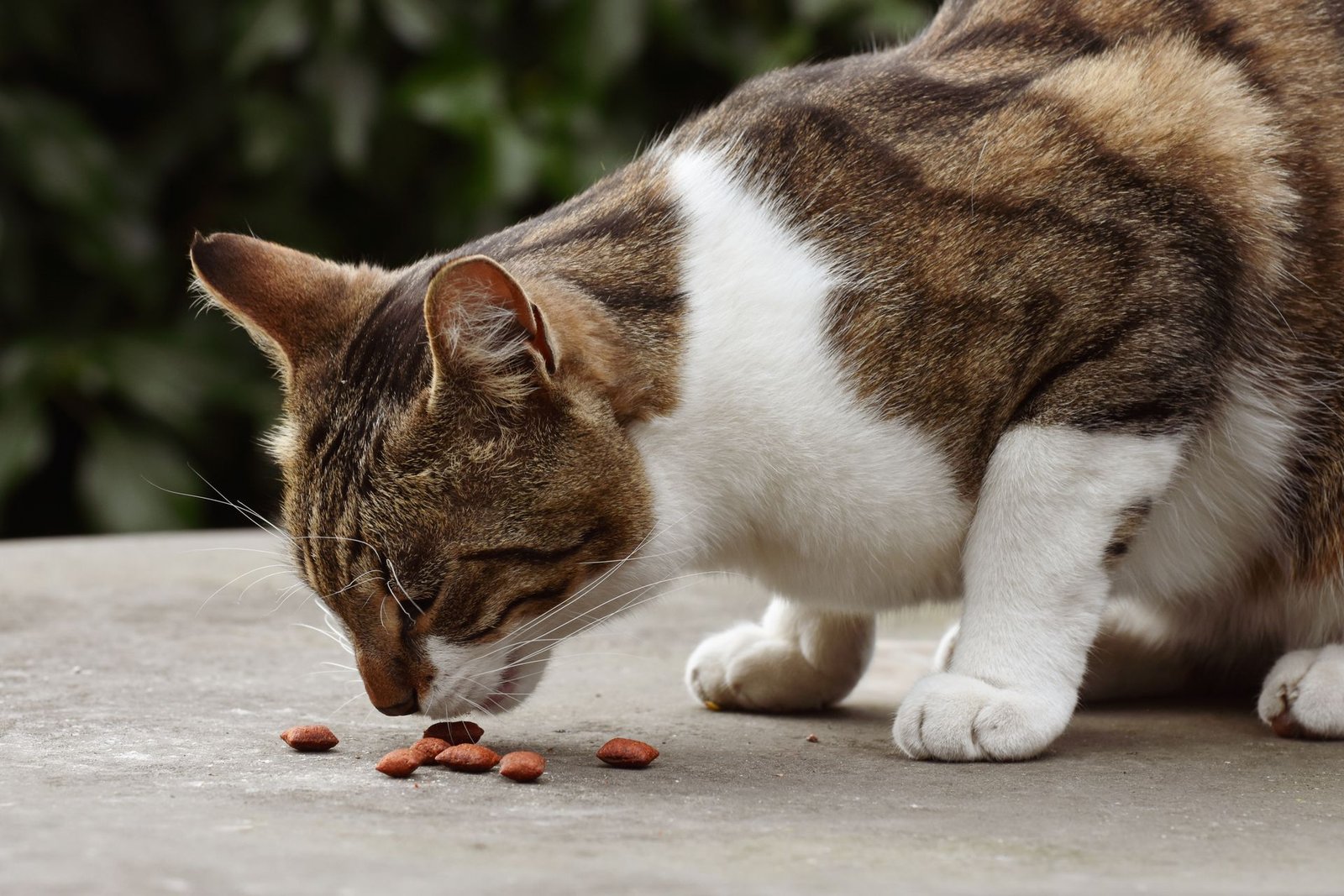
Homemade and Simple Treat Options
You don’t need the treat aisle at all. Some of the healthiest cat treats come from your kitchen — with feline-appropriate preparation:
- Tiny bits of plain cooked chicken or turkey — no seasoning, no onion/garlic, cut pea-sized. The universal high-value cat treat.
- Small flakes of plain cooked fish (salmon, white fish) — cooked through, boneless, unseasoned. An occasional delight, not a dietary staple.
- Freeze-dried single-ingredient meats — technically store-bought, but functionally homemade in simplicity; excellent training treats.
- A spoonful of meat baby food (check: no onion or garlic powder) — useful for pilling, appetite coaxing, and senior cats.
- Catnip and silvervine — not nutrition, but the best zero-calorie “treat” in existence for responsive cats. Grow it, buy it dried, stuff it in toys.
- Puzzle-feeding the regular diet — the ultimate budget treat: kibble from the daily ration, dispensed through a puzzle. Zero extra calories, maximum enrichment.
Homemade rules: plain preparation (no salt, seasoning, onion, garlic, or sauces), tiny portions (pea-sized is plenty — you can always give two), cooked meats rather than raw (food safety), and the same 10% accounting as commercial treats. “Homemade” doesn’t mean “unlimited” — it means “you control the ingredients,” which is advantage enough.
🩺 A note from the nutrition desk
This guide is educational and intended for healthy cats. Cats with kidney disease, urinary issues, diabetes, food allergies, pancreatitis, or obesity need veterinary guidance on treats — many conditions restrict protein, phosphorus, sodium, or fat in ways that rule out common treat choices. Kittens, seniors, and pregnant/nursing queens have their own treat considerations. When in doubt, bring the treat package to your vet visit.
Frequently Asked Questions
Here are the questions cat owners ask most about treats — quick answers, same principles as above.
How many treats can I give my cat per day?
Budget ~10% of daily calories: for a typical 280-kcal cat, that’s under 30 kcal — roughly two small commercial treats or a few pea-sized meat bits. Count them against meals, break treats smaller to stretch the ritual, and pre-portion if your household tends toward generosity.
Are Temptations-style crunchy treats healthy for cats?
They’re fine as treats — palatable, portionable, and honest about being treats. They’re not health food: carb-heavy and calorie-dense relative to meat-based options. Use them within the 10% budget, or upgrade to freeze-dried meat treats for the same ritual with better nutrition. The parallel discussion for dogs is in our dog treats guide.
Can cats eat dog treats?
An occasional stolen dog treat is harmless, but don’t make it a habit — dog treats aren’t formulated for feline nutritional needs (notably taurine levels and vitamin A forms). Buy treats made for cats; the formulations genuinely differ.
What human foods are safe as occasional cat treats?
Small bits of plain cooked chicken, turkey, or fish; a little cooked egg; tiny amounts of plain pumpkin (for fiber); meat baby food without onion/garlic. Keep portions pea-sized, preparation plain, and frequency occasional — human food is garnish, not diet. Never onion, garlic, chocolate, grapes/raisins, xylitol, or alcohol.
Do dental treats actually clean cats’ teeth?
Partially — the chewing action can help reduce plaque buildup, and they’re better than nothing for cats who won’t accept brushing. But they don’t replace brushing or professional dental care, can’t fix existing dental disease, and carry the highest calorie loads in the treat aisle. Treat them as adjuncts, counted strictly.
My cat begs constantly. How do I cut back on treats?
First verify meals are adequate (a genuinely hungry cat begs for food, not treats — check portions against our cat portion guide). Then restructure: scheduled treat rituals instead of on-demand, smaller treat pieces, puzzle-feeding for the hunting payoff, and substituting play, catnip, or affection for some treat moments. Most cats adjust within a week or two — the begging was trained, and it can be untrained.
Are lickable/creamy treats (tubes, pouches) healthy?
They’re excellent tools — high-value, lickable, perfect for pilling, training, and bonding — but check the label: many are mostly water, starch, and flavoring with modest meat content, and the calories add up across a whole tube. Use them purposefully (a stripe on a pill, a line on a lick mat) rather than as meal replacements, and count them in the budget like any treat.
Should kittens get treats?
Sparingly. Kittens need their calories from complete growth food — every treat calorie displaces growth nutrition. Tiny, meat-based treats are fine for early training and bonding (litter habits, carrier acceptance, handling), but keep quantities minimal and never let treats approach the 10% ceiling in a growing kitten the way you might in an adult.
Conclusion: Treat Like You Mean It
Healthy cat treats aren’t about finding a magic product — they’re about a system: the 10% budget respected, meat-first choices preferred, labels read in sixty seconds, toxic foods avoided absolutely, and every treat given purpose in training, enrichment, bonding, or care. That’s the complete healthy cat treats guide in one paragraph — and it’s a system any household can run, no specialty products required.
The payoff goes beyond nutrition. Thoughtful treating builds the rituals cats love — the training games, the puzzle hunts, the bedtime ceremonies — and each one deepens the bond while costing almost nothing calorically. Start tonight: break tomorrow’s treats in half, hide a few in a puzzle, and watch a routine snack become the best part of your cat’s day. For the full dietary picture, explore our cat nutrition basics and our treats & special diets collection.