

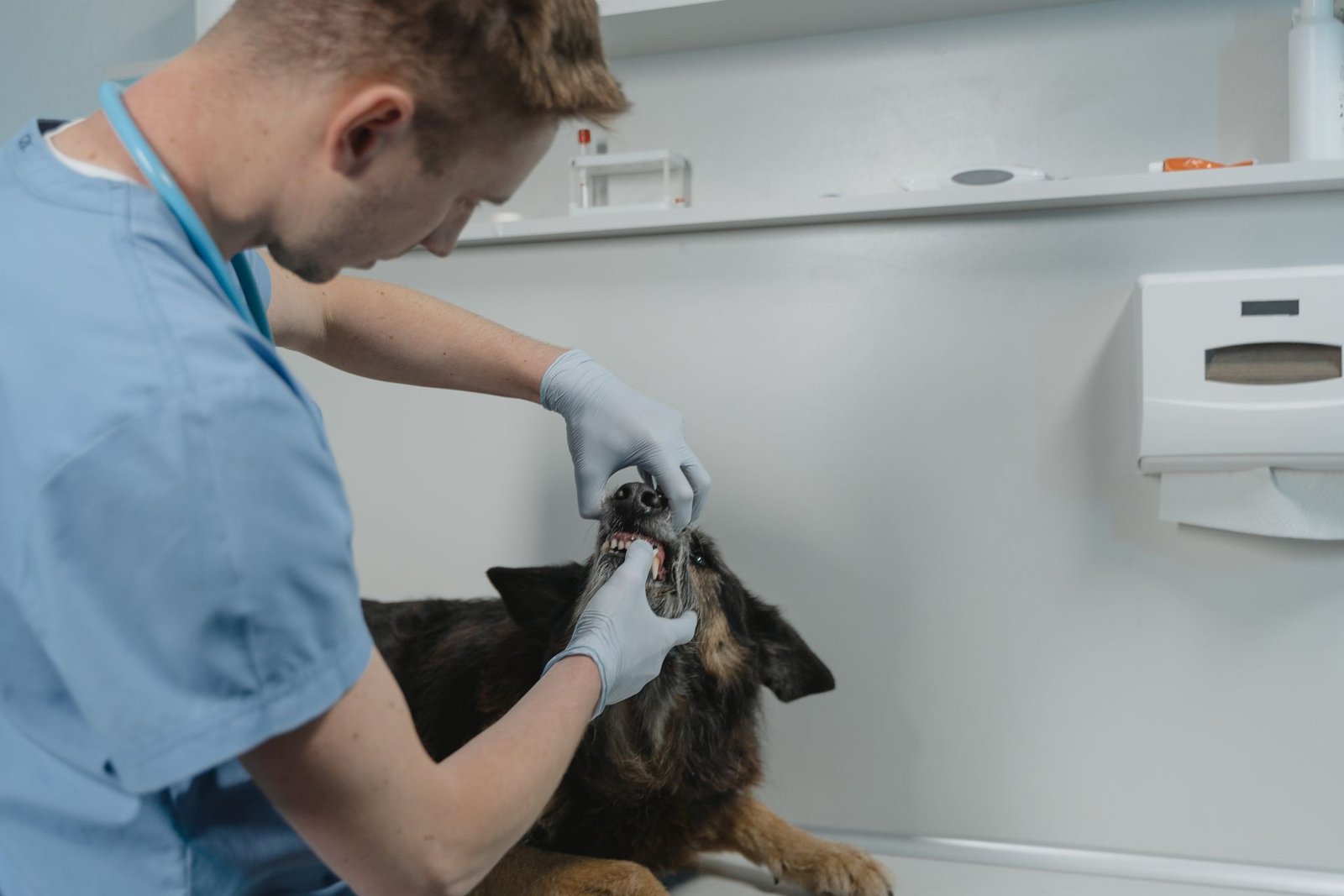
Bad breath, yellowed teeth, red gums: dental disease is one of the most common and most overlooked health problems in dogs, affecting the majority by middle age. And while most owners know that brushing helps, far fewer realize that daily diet plays a real and genuinely useful supporting role. If you are searching for the best food for dog dental health, you have probably seen bold claims everywhere: kibble that “cleans teeth,” treats that “fight tartar,” chews marketed as dental care in a bag. Some of these claims hold up well. Many do not.
This guide separates dental fact from marketing fiction: how diet actually affects teeth, what kibble does and does not do, which dental products earn their claims, what to avoid, and how food fits into a complete dental care routine for dogs and cats alike. No miracle cures, no scare tactics, just what the evidence supports so you can make genuinely good choices for your dog’s mouth and long-term comfort.
Key Takeaways
- Diet supports dental health but does not replace brushing. Daily toothbrushing remains the gold standard; food and chews are adjuncts, not substitutes.
- Texture matters more than marketing: foods and treats engineered for dental action (larger kibble, fibrous texture) reduce plaque modestly; ordinary kibble has minimal cleaning effect.
- Look for VOHC acceptance (Veterinary Oral Health Council) when choosing dental treats and diets; it signals real evidence behind the claim.
- Avoid very hard chews (bones, antlers, hard nylon): they fracture teeth more reliably than they clean them.
- Diet affects gums too: complete, balanced nutrition supports the periodontal tissues that hold teeth in place.
- Cats benefit as well: the same principles apply, with feline-specific products and the same emphasis on veterinary dental care.
Vet note: This article is educational and not a substitute for veterinary advice. Dental disease can be painful and can affect overall health; if your pet has bad breath, red or bleeding gums, loose teeth, or difficulty eating, see your veterinarian promptly. Do not delay professional dental care in favor of dietary approaches alone.
Why Diet Matters for Dental Health
To understand what food can do, you need the thirty-second version of how dental disease works. Plaque, a film of bacteria, forms on teeth within hours. If not removed, minerals in saliva harden it into tartar within days, and tartar cannot be brushed off; it requires professional removal. Bacteria in plaque and tartar inflame the gums (gingivitis), and over time the inflammation destroys the tissues and bone supporting the teeth (periodontitis), causing pain, tooth loss, and, through chronic inflammation and bacterial spread, potential effects beyond the mouth.
Diet intersects with this process in three meaningful ways. Mechanical action: chewing textured food or treats can scrape some plaque from tooth surfaces before it hardens. Chemical action: some products include ingredients that slow plaque or tartar formation. Nutritional support: the gums and periodontal tissues, like all tissues, depend on adequate nutrition to stay healthy and resist infection.
What diet cannot do is equally important: it cannot remove established tartar, cure periodontitis, or substitute for the daily plaque removal that brushing provides. Keeping expectations honest is what separates useful dental nutrition from expensive wishful thinking.
Does Kibble Really Clean Teeth? The Claim, Examined
The most persistent claim in pet food marketing is that dry kibble cleans teeth while wet food rots them. The reality is more nuanced and less flattering to kibble.
The theory sounds plausible: crunchy kibble scrapes plaque as the dog chews. The problem is mechanical. Most dogs barely chew kibble; they crunch once or twice and swallow, and the kibble shatters on contact rather than scrubbing the tooth surface. Studies comparing dental outcomes between kibble-fed and wet-fed dogs find, at best, small differences, and the differences shrink further when you account for the fact that dental-specific kibbles are engineered differently from ordinary kibble.
Ordinary kibble has minimal dental benefit. It is not harmful to teeth (a common counter-myth), but describing it as teeth-cleaning is marketing, not mechanics. Wet food is not the villain either: it does not cause dental disease, and for many dogs its palatability, hydration, and nutritional advantages outweigh any small dental edge of dry food.
Dental-specific kibbles are a different story. These are formulated with larger kibble size and a fibrous texture engineered to resist shattering, so the tooth penetrates the kibble and the fibers wipe the surface. Products with VOHC acceptance have demonstrated plaque or tartar reduction in trials. They genuinely help, modestly, as part of a routine.
The takeaway: feed the food that suits your dog’s overall nutrition first, and treat ordinary kibble’s dental claims with skepticism. If dental support from food matters to you, choose products actually engineered and tested for it.
The Best Food for Dog Dental Health: What to Look For
When evaluating foods for dental benefit, look past the front of the bag and check these factors:
VOHC acceptance. The Veterinary Oral Health Council awards its seal to products with demonstrated efficacy against plaque or tartar. It is the single most reliable shortcut for dental claims: a VOHC-accepted dental diet or treat has evidence; a product with only marketing language does not. Check the current VOHC accepted-products list rather than trusting packaging alone.
Kibble size and texture. Larger, denser kibbles that require genuine chewing provide more mechanical action than small, brittle ones. Some dental diets use a distinctive fibrous matrix. If comparing two otherwise similar foods, the one demanding more chewing has a slight dental edge.
Complete nutrition first. A food that is excellent for teeth but mediocre nutritionally is a bad trade. Dental support is a secondary criterion: choose a complete, balanced diet appropriate for your dog’s life stage and health, then prefer dental-engineered options within that set. Our high-protein diet guide and limited-ingredient guide can help with the nutritional side of the choice.
Wet food plus dental care. If your dog does best on wet food, do not switch to dry for dental reasons alone; instead, pair the wet diet with daily brushing and VOHC-accepted dental treats or chews. The combination outperforms either approach alone.
Prescription dental diets. For dogs with significant dental disease, veterinarians may recommend therapeutic dental diets formulated for maximum tartar control. These are worth discussing at your dog’s dental checkup rather than self-prescribing.
Dental Treats and Chews: Sorting Helpful from Hype
The dental treat aisle is where marketing most outruns evidence, so a framework helps.
What works: daily dental treats or chews with VOHC acceptance, appropriate size for the dog (too small and they are swallowed whole; too large and small dogs cannot manage them), and a texture that requires sustained chewing. Used daily, these measurably reduce plaque and tartar accumulation. They work by the same mechanical principle as dental kibble, extended over a longer chew session.
What is hype: treats with dental imagery but no VOHC acceptance and no described mechanism; “dental” treats sized so the dog inhales them in seconds; products whose cleaning claim rests on an ingredient with no demonstrated oral effect, such as a sprinkle of mint or parsley. Breath-freshening alone is cosmetic: minty smell without plaque action changes nothing about disease. Also be skeptical of treats claiming to “dissolve tartar”: nothing edible dissolves hardened tartar, and the claim itself is a red flag about the manufacturer’s honesty.
Calorie accounting matters. Dental treats are still treats. A large daily dental chew can carry a meaningful fraction of a small dog’s calories, so budget them into the day’s intake rather than stacking them on top. For weight-prone dogs, this is where dental benefits quietly become weight problems; our weight management principles apply across species.
Rawhide and similar chews: rawhide provides chewing action but carries choking and blockage risks, and its dental efficacy is unproven compared with VOHC-accepted alternatives. If you use rawhide, supervise closely, choose appropriate sizes, and discard small pieces. Many owners do better switching to tested dental chews.
Foods and Chews to Avoid for Dental Safety
Some popular chew items damage teeth more reliably than they clean them. Veterinary dentists consistently warn against:
- Cooked bones of any kind: they splinter and fracture teeth.
- Raw bones, despite the “natural toothbrush” claim: they also fracture teeth and carry the bacterial and obstruction risks detailed in our raw feeding guide.
- Antlers, hooves, and hard nylon bones: extremely hard, a leading cause of slab fractures of the large chewing teeth. The rule of thumb from veterinary dentists: if you cannot dent it with your thumbnail, it is too hard for teeth.
- Ice cubes and hard plastic toys for aggressive chewers: less risky than antlers but still capable of cracking teeth in power chewers.
- Tennis balls: the abrasive felt wears tooth enamel over time in obsessive chewers; use smooth rubber balls for fetch instead.
Fractured teeth are painful and expensive: extraction or root canal under anesthesia, often costing many times what a year of safe dental chews would. Every “but my dog loves his antler” needs weighing against that outcome and against the days of pain a cracked tooth causes before it is even noticed. There are plenty of safe chewing outlets; the ultra-hard ones are not worth the risk.
Puppy and Senior Dental Nutrition
Dental nutrition needs shift at both ends of life.
Puppies go through teething, losing 28 deciduous teeth as 42 adult teeth erupt, usually completing by six to seven months. During teething, puppies chew everything, and safe chew outlets matter enormously: puppy-appropriate rubber toys and VOHC-accepted puppy dental treats redirect chewing from furniture and, importantly, from dangerously hard objects. Avoid hard chews during teething; the developing adult teeth are vulnerable. Retained deciduous teeth (baby teeth that do not fall out) are common in small breeds and need veterinary attention, not dietary management. Feed a complete puppy diet; the growth formulation matters far more for dental development than any dental marketing claim at this stage.
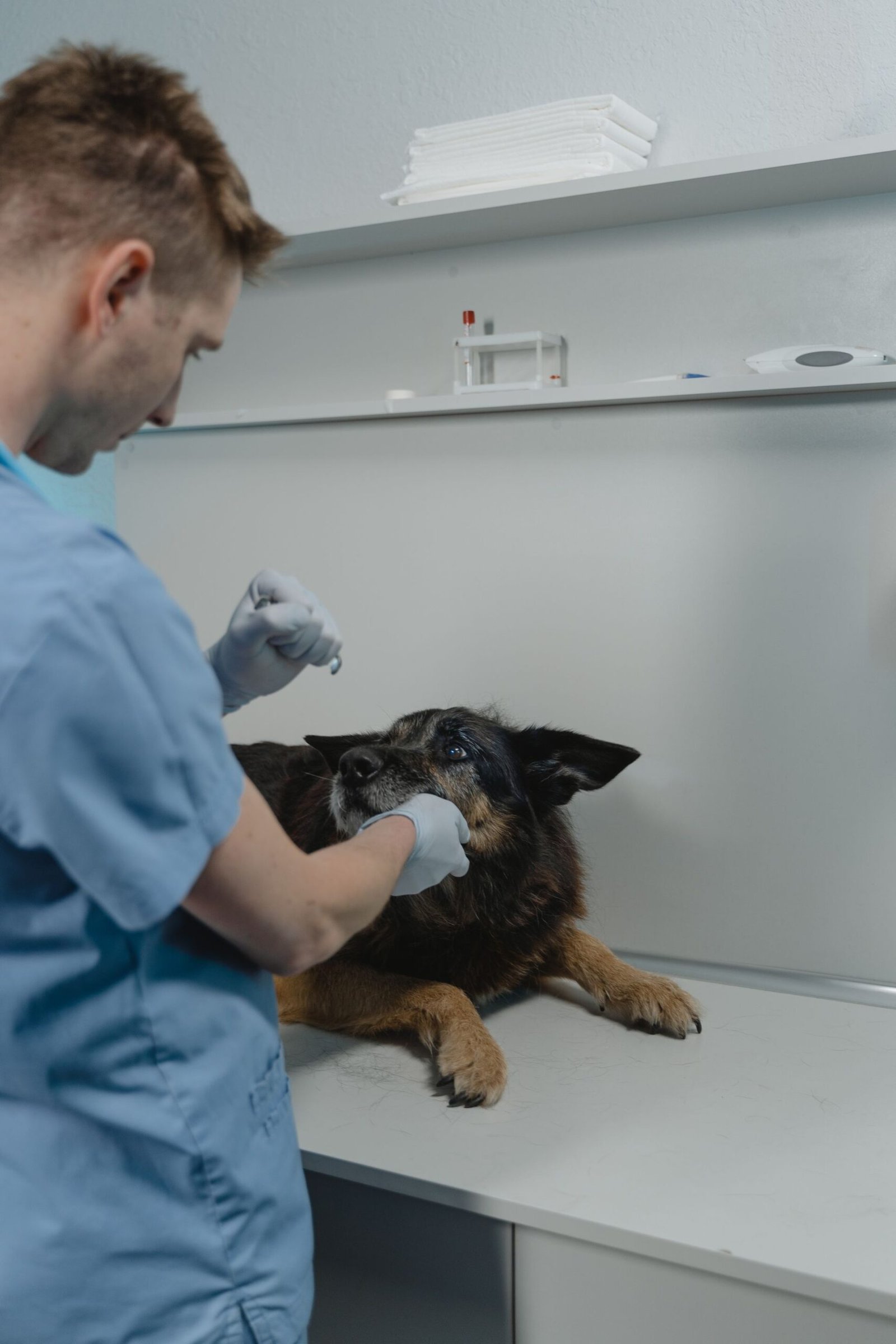
Seniors face the accumulated consequences of lifetime dental care, good or bad. Older dogs with existing dental disease may struggle with very hard kibble or chews; softening food with water or transitioning to wet food is kinder than persisting with painful chewing, and dental pain is a common hidden cause of appetite loss in seniors. At the same time, seniors benefit most from professional dental assessment, since years of tartar accumulation may hide significant disease. Adjust the dental routine to the mouth in front of you: the goal is comfort and health, not adherence to a one-size routine.
Dental Health and Diet for Cats
Cats deserve their section, because feline dental disease has its own character. Most cats over a few years old show some degree of periodontal disease, and cats additionally suffer from tooth resorption, a painful condition where the tooth structure breaks down, which diet neither causes nor prevents.
The dietary principles transfer directly: ordinary kibble has minimal cleaning effect for cats too (most cats swallow kibble whole), VOHC-accepted feline dental treats and diets provide modest proven benefit, and daily brushing, while harder to establish in cats, remains the gold standard. Start brushing in kittenhood if possible; adult cats can learn, but patience and gradual introduction are essential.
Avoid the same hard-chew hazards: bones and hard treats fracture feline teeth as readily as canine ones. And because cats are masters at hiding pain, watch for subtle signs: dropping food, chewing on one side, reduced grooming, or reluctance to eat dry food. Our cat nutrition guides cover feline dietary needs more broadly.
Beyond Food: The Full Dental Care Picture
Diet is one instrument in the dental orchestra. The complete routine:
Daily brushing is the single most effective home measure. Use a pet toothbrush and enzymatic pet toothpaste, introduce gradually with positive association, and aim for the outer surfaces of the upper teeth where plaque accumulates fastest. Two minutes a day is enough once the routine is established; the first two weeks of training are the hard part, and then it becomes as automatic as the evening walk. Even a few times a week beats never; daily is the goal.
Professional cleanings under anesthesia allow full examination, scaling (including under the gumline, where disease hides), polishing, and dental X-rays that reveal problems invisible above the surface, such as root abscesses and bone loss. Anesthesia-free “cleanings” cannot clean under the gumline and are not a substitute, despite their lower cost and appealing marketing. Discuss timing with your veterinarian based on your dog’s breed, age, and dental condition; small breeds and greyhounds, for example, tend to need earlier and more frequent care.
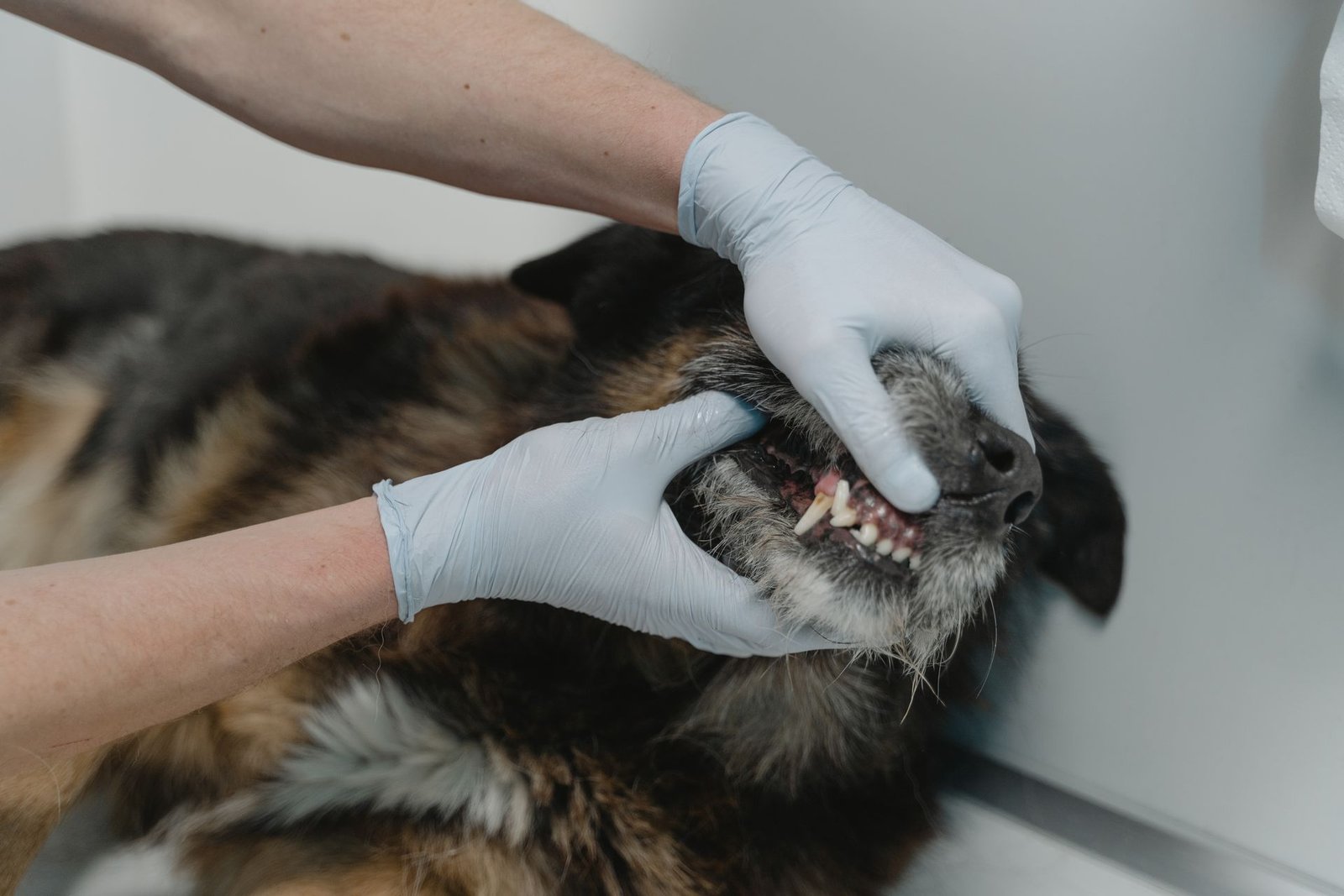
Home monitoring: lift the lip monthly. Look for red or bleeding gums, yellow-brown tartar buildup, broken teeth, or lumps. Note bad breath that is new or worsening; while “dog breath” is normal to a degree, genuinely foul odor often signals disease. Keep a simple log of what you observe; trends over months tell your veterinarian more than a single snapshot, and early detection consistently means simpler, cheaper treatment.
Water additives and dental wipes have limited evidence but are reasonable adjuncts for pets that will not tolerate brushing; they do not replace it.
The honest hierarchy: professional care treats disease, brushing prevents it, and diet plus dental treats slow accumulation between brushings. Each layer helps; none excuses skipping the others.
Frequently Asked Questions
What is the best food for dog dental health?
The best food for dog dental health is a complete, balanced diet appropriate for your dog, preferably a VOHC-accepted dental formula if dental support is a priority. Dental-specific kibbles with engineered texture and proven tartar reduction outperform ordinary kibble, but no food replaces daily brushing and professional cleanings.
Does wet food cause dental problems in dogs?
No. Wet food does not cause dental disease; plaque forms from bacteria regardless of food type, and the dental advantage of ordinary kibble over wet food is minimal. Feed the food type that suits your dog’s overall health, and manage dental care through brushing, dental treats, and veterinary cleanings.
Are dental treats actually effective?
VOHC-accepted dental treats used daily do reduce plaque and tartar measurably. Non-accepted treats with only marketing claims are unreliable. Size them correctly, use them daily, and count their calories in the day’s intake.
Can diet reverse existing tartar or gum disease?
No. Diet, treats, and brushing can slow new plaque accumulation, but hardened tartar requires professional removal, and established periodontitis requires veterinary treatment. Dietary approaches are preventive and supportive, not curative; delaying professional care while trying dietary fixes allows disease to progress.
Are bones good for cleaning dogs’ teeth?
No. Both cooked and raw bones fracture teeth, and cooked bones additionally splinter. Veterinary dentists rank bones and antlers among the top causes of fractured teeth they treat. VOHC-accepted dental chews provide the chewing benefit without the fracture risk.
How often should my dog’s teeth be professionally cleaned?
It depends on breed, age, and condition: many dogs benefit from annual assessment with cleaning as needed, while small breeds and dogs with existing disease may need more frequent care. Your veterinarian’s recommendation, based on examination, beats any generic schedule.
My dog won’t let me brush their teeth. What should I do?
You are not alone; this is the most common dental care struggle. Start over with gradual desensitization: toothpaste on your finger as a treat, then a finger brush, then a real brush, over days or weeks, always paired with rewards. Focus on the outer upper teeth where it matters most. If brushing truly proves impossible, maximize the alternatives: daily VOHC-accepted dental treats, appropriate chew toys, and more frequent professional assessments. Partial care consistently applied beats perfect care abandoned.
Do puppies need dental diets or treats?
Puppies need a complete growth diet above all; dental-specific products are secondary during development. Puppy-appropriate dental treats can help establish the chewing routine and provide safe teething outlets, but avoid hard adult chews until the full adult dentition is in and your veterinarian confirms the mouth is healthy.
Final Thoughts: The Best Food for Dog Dental Health in Context
The best food for dog dental health is real but modest in its power: a well-chosen dental diet or daily VOHC-accepted treats measurably slow plaque and tartar, support the tissues that hold teeth in place, and complement the brushing and professional care that do the heavy lifting. What food cannot do is clean established tartar, cure gum disease, or substitute for a toothbrush. The owners who get this right are not the ones who bought the most expensive dental kibble; they are the ones who brush daily, choose sensibly, avoid the tooth-breaking chews, watch for the early signs of trouble, and keep up with veterinary dental care year after year.
Start where you are: pick a complete diet that suits your dog, add a VOHC-accepted dental treat to the daily routine, retire the antler, and book the dental checkup you have been postponing. Small, consistent steps compound: a year of daily brushing and sensible dental treats produces a visibly different mouth than a year of good intentions. Your dog’s mouth, and their comfort in the years ahead, will thank you. For more on treats and special dietary needs, explore our treats and special diets articles.